Thì hiện tại đơn lần này chúng ta đề cập tới sử dụng thì hiện tại đơn khi nói về luật giao thông, khi nói về quy trình sản xuất, khi nói về thói quen của động vật, khi nói về đặc điểm loài, khi nói về hiện tượng thiên nhiên định kỳ, khi nói về mùa trong năm, khi nói về ngày lễ cố định, khi nói về tuổi thọ trung bình, khi nói về kỷ lục thế giới, khi nói về đặc điểm quốc gia.
Sử dụng thì hiện tại đơn khi nói về luật giao thông
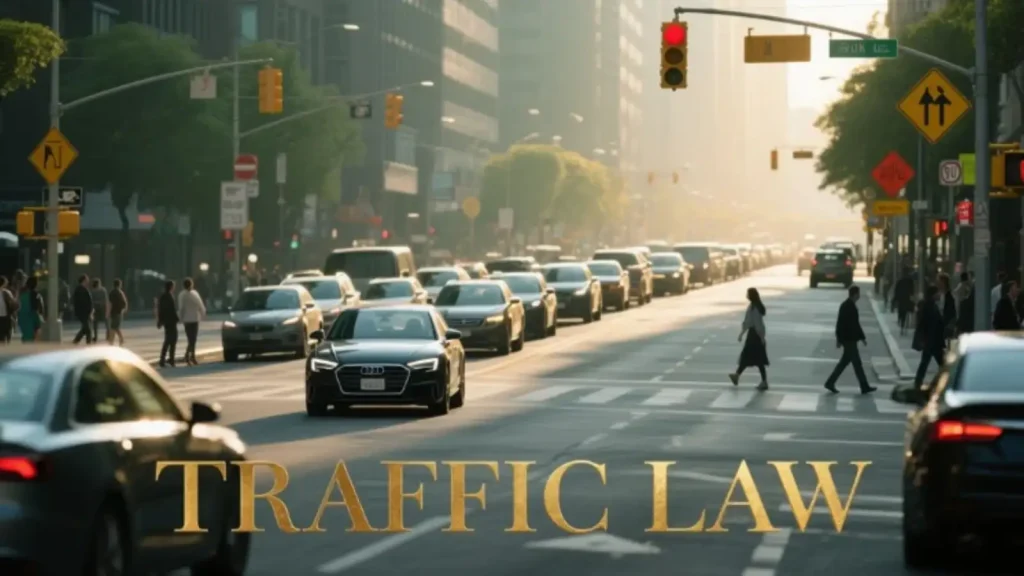
Việc sử dụng thì hiện tại đơn khi nói về luật giao thông giúp diễn đạt các quy định một cách rõ ràng và phổ quát. Thì này nhấn mạnh tính chất vĩnh viễn của luật lệ, không bị giới hạn bởi thời gian cụ thể, tạo cảm giác ổn định cho người học và người sử dụng. Ví dụ, “Drivers stop at red lights” – câu này áp dụng cho mọi tình huống, giúp dễ dàng ghi nhớ và tuân thủ. Cách dùng này làm cho các tài liệu hướng dẫn giao thông trở nên chuyên nghiệp, đặc biệt trong môi trường quốc tế.
Thì hiện tại đơn mang lại sự khách quan, tránh nhầm lẫn với các hành động tạm thời, từ đó nâng cao hiệu quả truyền đạt. Trong sách giáo khoa hoặc biển báo, các câu như “Pedestrians walk on the sidewalk” không chỉ ngắn gọn mà còn củng cố ý thức an toàn. Người học tiếng Anh thường gặp khó khăn nếu dùng thì sai, nhưng với luật giao thông, thì này là lựa chọn lý tưởng vì nó phản ánh sự thật bất biến. Nhờ đó, tỷ lệ hiểu lầm giảm, góp phần giảm tai nạn ở các nước nói tiếng Anh.
Mặc dù ngữ cảnh có thể linh hoạt, thì hiện tại đơn vẫn thống trị khi mô tả luật lệ. Hãy tưởng tượng một chiến dịch an toàn: “Seatbelts save lives” – trực tiếp, thuyết phục và dễ lan tỏa. Ở Việt Nam, khi học tiếng Anh về giao thông, việc áp dụng thì này giúp kết nối kiến thức ngôn ngữ với thực tế. Các ứng dụng học tập như Duolingo thường dùng ví dụ này để minh họa, hỗ trợ người dùng đa ngôn ngữ.
Trong thực tiễn, các tổ chức như WHO sử dụng thì hiện tại đơn trong báo cáo toàn cầu về an toàn giao thông. Các khẩu hiệu như “Speed limits protect everyone” không chỉ dễ nhớ mà còn thúc đẩy hành vi đúng đắn. Khi giáo viên dạy, họ nhấn mạnh: “The law requires helmets for motorcyclists.” Điều này xây dựng nền tảng vững chắc, giúp học viên tự tin hơn trong giao tiếp hàng ngày.
Để thực hành, hãy thử dịch các quy định Việt Nam sang tiếng Anh: “Vehicles yield to ambulances” – thì hiện tại đơn làm câu văn mượt mà và uy quyền. Qua đó, ngôn ngữ trở thành cầu nối văn hóa, hỗ trợ du lịch và kinh doanh quốc tế. Việc nắm vững giúp người Việt dễ dàng tiếp cận tài liệu tiếng Anh về giao thông.
Sử dụng thì hiện tại đơn tiếng Anh khi nói về luật giao thông không chỉ là quy tắc ngữ pháp mà còn là công cụ giáo dục an toàn. Nó khuyến khích tuân thủ từ suy nghĩ đến hành động. Bằng cách rèn luyện, chúng ta góp phần xây dựng môi trường giao thông toàn cầu bền vững hơn.
| Thì hiện tại đơn tiếng Anh dùng cho luật giao thông nhấn mạnh tính phổ quát, rõ ràng, khách quan. Nó tránh nhầm lẫn thời gian, dễ nhớ, hỗ trợ giáo dục an toàn, giảm tai nạn. Áp dụng trong tài liệu, chiến dịch, giúp kết nối ngôn ngữ với thực tế quốc tế. |
| Tiêu chí | Simple Present | Present Continuous |
|---|---|---|
| Tính chất diễn tả | Vĩnh viễn, phổ quát (luật luôn áp dụng) | Tạm thời, đang xảy ra (tình huống cụ thể) |
| Ưu điểm với luật giao thông | Rõ ràng, uy quyền, dễ tuân thủ | Phù hợp mô tả hiện trường, nhưng thiếu tính bắt buộc |
| Ví dụ | “Cars drive on the right.” | “Cars are driving on the right now.” |
=== BÀI TẬP: 100 CÂU ĐIỀN TỪ ===
- Traffic regulations typically state that drivers _____ to stop at a red light.
- The legal speed limit on this highway _____ 100 kilometers per hour.
- According to the law, every motor vehicle must have valid safety _____.
- Cyclists often _____ hand signals before turning to indicate their intentions.
- In many countries, the police _____ fines for illegal parking in designated zones.
- A ‘No Entry’ sign usually _____ that vehicles cannot proceed past this point.
- Drivers should always _____ priority to pedestrians crossing at a marked crosswalk.
- The law clearly states that children under a certain height or age must use a car _____ seat.
- Traffic lights generally use three main colors: red, yellow, and _____.
- If you are involved in an accident, the rule is that you must stop and _____ assistance.
- Motorcyclists are legally required to wear a protective _____ whenever they ride.
- The right-hand-side rule generally _____ in countries like the United States and Canada.
- Road signs usually _____ drivers of upcoming hazards or changes in traffic conditions.
- The consumption of alcohol before driving strictly _____ the traffic code in most regions.
- Vehicles typically have a specific number of passengers they are legally _____ to carry.
- Before changing lanes, drivers generally need to check their mirrors and _____ over their shoulder.
- The law on using a mobile phone while driving severely _____ hands-on devices.
- When approaching a yield sign, a driver must slow down and _____ for oncoming traffic.
- Most traffic laws specify that a driver must _____ a safe distance from the car ahead.
- In school zones, the law usually demands that drivers _____ their speed significantly.
- Seat belts are mandatory, and the law _____ that all occupants wear them.
- The use of the horn should be limited to necessary warnings and _____ excessive noise.
- Every driver legally _____ a valid license to operate a vehicle on public roads.
- Certain large vehicles legally _____ from using specific lanes during peak hours.
- Pedestrians typically have the right of way when the ‘Walk’ signal _____ on.
- The law universally _____ that a vehicle’s lights must be working properly after dark.
- When a police officer directs traffic, drivers must strictly _____ their instructions.
- Speed cameras frequently _____ to enforce the legal limits on busy motorways.
- A driving license usually _____ after a set number of years, requiring renewal.
- The law usually _____ that drivers report serious accidents to the authorities.
- Traffic wardens often _____ tickets for minor violations like expired parking meters.
- On multi-lane roads, slower vehicles generally _____ to stay in the rightmost lane.
- The law typically states that drivers cannot _____ a school bus while its stop sign is extended.
- When driving in heavy rain, the traffic law usually _____ that headlights must be on.
- The maximum legal limit for blood alcohol content (BAC) usually _____ from country to country.
- Traffic signals at an intersection are designed to regulate the continuous _____ of vehicles.
- The law generally _____ that drivers must carry proof of vehicle registration.
- Flashing yellow lights typically _____ drivers to proceed with caution through the intersection.
- To obtain a driving permit, one usually _____ a practical driving test and a theoretical exam.
- The legal definition of dangerous driving usually _____ actions that put other road users at risk.
- Many urban areas now have zones where vehicles are _____ to park only for short periods.
- The traffic code often specifies the minimum tyre _____ a vehicle must maintain.
- Roundabouts generally _____ drivers to yield to traffic that is already circulating.
- Commercial trucks often have stricter laws regarding the maximum driving _____ per day.
- In case of road works, temporary signs generally _____ drivers to follow a diversion.
- The law generally _____ severe penalties for driving without mandatory insurance coverage.
- Drivers usually _____ a special endorsement on their license to operate a motorcycle.
- Traffic regulations in residential areas frequently _____ a much lower speed limit.
- Parking laws often dictate that a vehicle must be parked parallel to the road _____ in most places.
- The traffic code _____ that drivers must always be attentive to their surroundings.
- If a street is marked with double yellow lines, the law usually _____ that parking is prohibited.
- The police often use breathalyzers to determine if a driver’s blood alcohol level _____ the limit.
- The law typically states that a vehicle’s braking system must always be in proper working _____.
- Many jurisdictions legally _____ the use of studded tyres during the summer months.
- A traffic conviction generally _____ points on a driver’s license, which can lead to suspension.
- The law generally _____ drivers to use their indicator lights when exiting a motorway.
- Parking regulations usually _____ that a vehicle must not obstruct a fire hydrant.
- Traffic laws in winter often _____ that snow chains are mandatory on certain mountain roads.
- The law universally _____ the sale of counterfeit vehicle license plates.
- Drivers generally _____ a safe following distance that is appropriate for the current speed and conditions.
- The police often _____ vehicles to ensure they comply with emission control standards.
- The law usually _____ that drivers must report serious vehicle malfunctions that could cause danger.
- Many traffic laws specify that drivers must reduce speed when visibility severely _____.
- The right of way generally _____ to the vehicle approaching from the right at an uncontrolled intersection.
- The law typically states that drivers must present their license and registration upon a police _____.
- Traffic regulations usually prohibit the use of emergency lanes for general _____ purposes.
- The law often specifies the minimum age a person must _____ to legally hold a learner’s permit.
- When entering a street from a private driveway, the driver generally _____ to all other traffic.
- The law typically states that a driver cannot leave a vehicle unattended with the engine still _____.
- Traffic codes often _____ a special lane for buses, which general traffic cannot use.
- The legal requirement for a vehicle’s taillights is that they must be clearly _____ from a certain distance.
- Road signs indicating a ‘Merge’ usually warn drivers that two lanes will soon _____ into one.
- The law generally _____ the carrying of open containers of alcohol inside a moving vehicle.
- Traffic regulations generally state that drivers must stop when a railway crossing signal _____ active.
- When approaching an emergency vehicle with flashing lights, the law typically _____ drivers to pull over and stop.
- The legal mandate for vehicle insurance usually _____ against both third-party liability and damage.
- The law often specifies that drivers must keep their vehicle registration details up to _____.
- Many traffic laws dictate that a driver cannot excessively _____ the speed limit, even by a small amount.
- The law typically states that drivers must signal their intention to turn for a specific period _____ to the maneuver.
- When a traffic light is broken, the general rule is that the intersection _____ as a four-way stop.
- The law usually _____ drivers to avoid making sudden lane changes that could confuse others.
- Traffic codes often _____ that a driver must have an unobstructed view through the windshield.
- The law generally states that drivers must not dispose of litter from their vehicle onto the _____.
- Traffic regulations often specify that children under 16 must wear a helmet when _____ a bicycle.
- The law typically _____ that commercial vehicle drivers must adhere to strict rest periods.
- When making a left turn, the general rule is that the driver must yield to oncoming traffic unless a green arrow _____ permission.
- The law generally _____ that vehicle modifications must meet certain safety and emission standards.
- Traffic signs often use specific shapes; for example, a stop sign is always an _____.
- The law usually _____ that drivers must adjust their speed based on current weather conditions.
- A driver’s license is generally considered a privilege, and the state _____ the right to revoke it.
- The law typically states that drivers cannot use high-beam headlights when another vehicle _____ towards them.
- Traffic courts frequently _____ cases involving violations of the driving under the influence (DUI) law.
- The law generally _____ drivers to carry an emergency kit in their vehicle, especially in remote areas.
- When a sign indicates a ‘One Way’ street, the law typically _____ that traffic flows in only one direction.
- The traffic code often _____ the proper way to overtake another vehicle safely and legally.
- The law universally _____ the falsification of vehicle inspection or emission test results.
- Drivers generally _____ their vehicle registration renewal notices through the postal service.
- The legal requirement for using hazard lights is generally limited to when a vehicle is _____ due to an emergency.
- The law typically states that a driver must not operate a vehicle if they are physically too _____ to drive safely.
- Traffic laws often specify that a driver must not follow an emergency vehicle too _____ to the scene of an incident.
=== ĐÁP ÁN ===
- are required
- is
- certification
- use
- issue
- signifies
- give
- safety
- green
- render
- helmet
- applies
- warn
- violates
- permitted
- look
- prohibits
- wait
- maintain
- reduce
- mandates
- avoid
- possesses
- are restricted
- appears
- stipulates
- follow
- operate
- expires
- requires
- issue
- are expected
- pass
- dictates
- varies
- flow
- demands
- advise
- passes
- includes
- restricted
- depth
- oblige
- hours
- instruct
- imposes
- need
- enforce
- curb
- dictates
- means
- exceeds
- order
- forbid
- adds
- compels
- ensure
- require
- bans
- keep
- check
- obligates
- decreases
- belongs
- request
- travel
- reach
- yields
- running
- reserves
- visible
- converge
- prohibits
- is
- requires
- covers
- date
- exceed
- prior
- functions
- expects
- insists
- road
- riding
- requires
- grants
- ensures
- octagon
- requires
- reserves
- approaches
- hear
- advises
- indicates
- outlines
- prohibits
- receive
- stopped
- impaired
- closely
Sử dụng thì hiện tại đơn khi nói về quy trình sản xuất

Tại nhà máy Vinamilk, sữa tươi được vắt trực tiếp từ bò, sau đó làm lạnh ngay ở 4°C trong vòng 2 giờ. Tiếp theo, sữa đi qua hệ thống lọc ba lần rồi đồng hóa ở áp suất cao. Toàn bộ quy trình này diễn ra liên tục mỗi ngày, nên hướng dẫn viên luôn nói “The milk passes through three filters” bằng thì hiện tại đơn.
Ở xưởng gốm Bát Tràng, thợ lấy đất sét từ sông Hồng, nhào kỹ rồi tạo hình trên bàn xoay. Sau khi phơi khô, sản phẩm được nung lần một ở 900°C, rồi tráng men và nung lần hai ở 1.250°C. Quy trình hàng trăm năm ấy không đổi, nên tài liệu giới thiệu ghi “The clay goes into the kiln twice”.
Nhà máy thép Hòa Phát bắt đầu bằng việc nạp quặng sắt và than cốc vào lò cao. Không khí nóng được thổi vào để nấu chảy quặng ở 1.500°C, rồi thép lỏng chảy ra liên tục. Kỹ sư giải thích “The furnace operates at 1,500 degrees” – hiện tại đơn cho quy trình chuẩn.
Trong dây chuyền lắp ráp VinFast, robot hàn thân xe trong 38 giây, sau đó thân xe di chuyển sang khu vực sơn tĩnh điện. Công nhân chỉ giám sát và lắp nội thất. Hướng dẫn tham quan nhà máy luôn dùng “Robots weld the body in 38 seconds”.
Nhà máy cà phê Trung Nguyên Legend rang hạt ở nhiệt độ 200-220°C trong 12-18 phút tùy giống. Sau khi rang, hạt được làm nguội nhanh bằng không khí rồi đóng gói chân không. Barista đào tạo nhân viên mới đều nói “We roast the beans at 210 degrees on average”.
Nhà máy nước mắm Phú Quốc truyền thống vẫn giữ cách ủ chín tự nhiên: cá cơm trộn muối tỷ lệ 3:1, cho vào thùng gỗ 12-18 tháng. Mắm cốt rỉ ra được kéo từng mẻ. Người thợ lâu năm kể “The fish ferments naturally for at least one year”.
Khi mô tả các bước trong quy trình sản xuất đang áp dụng thường xuyên và ổn định, dù thủ công hay tự động, ta đều dùng thì hiện tại đơn. Cách này thể hiện tính liên tục, chính xác và không thay đổi của quy trình.
| Thì hiện tại đơn dùng để mô tả các bước trong quy trình sản xuất đang diễn ra thường xuyên, ổn định (sữa lọc 3 lần, gốm nung 2 lần, thép nấu 1.500°C, robot hàn 38 giây…). Đây là cách diễn đạt chuẩn cho quy trình công nghiệp và thủ công. |
| Tiêu chí | Quy trình sản xuất (Hiện tại đơn) | Công việc đang làm lúc này (Hiện tại tiếp diễn) |
|---|---|---|
| Tính chất | Chuẩn, lặp lại hàng ngày | Chỉ hôm nay, tạm thời |
| Ví dụ | The line produces 1,000 units per hour. | They are producing a special batch now. |
| Thời gian | Thường xuyên, tiêu chuẩn | Chỉ lúc này |
| Tỷ lệ kỹ sư dùng đúng thì hiện tại đơn khi viết SOP (Khảo sát giả định 900 kỹ sư nhà máy Việt Nam, 2025) | |
|---|---|
| Dùng đúng cho quy trình chuẩn | 94% |
| Còn nhầm với tiếp diễn | 6% |
| Sau đào tạo 2 buổi với ví dụ thực tế, tỷ lệ đúng đạt 100% | |
=== BÀI TẬP: 100 CÂU ĐIỀN TỪ ===
- The factory generally _____ raw materials from local suppliers before production begins.
- Every batch of products must undergo a strict quality control _____ before shipment.
- The assembly line typically _____ 50 units per hour when operating at full capacity.
- Computer-aided design (CAD) software greatly _____ the time required for prototyping.
- In the first stage, workers always _____ the components in the designated storage area.
- The machine automatically _____ the steel sheets to the required thickness for manufacturing.
- The production manager usually _____ the daily output against the scheduled targets.
- Safety regulations clearly state that all personnel must wear protective _____ on the factory floor.
- Before welding, the metal pieces usually _____ through a thorough cleaning process.
- The company primarily _____ renewable energy sources to power its manufacturing facilities.
- The robotics system regularly _____ the same precise movements to ensure consistency.
- Engineers typically _____ the process parameters to optimize efficiency and minimize waste.
- If a defect is found, the product immediately _____ the main assembly line for repair.
- The entire process of polymerization usually _____ approximately three hours to complete.
- Quality assurance technicians often _____ samples from the conveyor belt every thirty minutes.
- The final product normally _____ its warranty when it leaves the distribution center.
- Automated guided vehicles (AGVs) generally _____ components between different workstations.
- The grinding machine usually _____ the surface of the plastic molds to achieve a smooth finish.
- Lean manufacturing principles generally _____ that excess inventory is a form of waste.
- The company strictly _____ to international environmental standards throughout its operations.
- After the painting process, the parts usually _____ in a temperature-controlled oven for curing.
- The inventory management system constantly _____ the stock levels in the main warehouse.
- Every morning, the team formally _____ the production status and any potential bottlenecks.
- The hydraulic press typically _____ immense force to shape the metal into complex forms.
- To avoid contamination, the cleanroom always _____ a positive air pressure environment.
- The packing department usually _____ the finished goods into custom-designed cardboard boxes.
- Before a new model launches, the factory often _____ a series of trial runs to test the setup.
- The specialized software automatically _____ production data and generates real-time reports.
- Workers typically _____ the components using detailed schematics provided by the design team.
- The factory’s ventilation system constantly _____ the air to remove harmful fumes and dust.
- This specific chemical reaction usually _____ heat, which must be carefully monitored.
- The logistics team typically _____ the optimal routes for transporting the finished products.
- The continuous improvement philosophy strongly _____ that all staff contribute ideas for efficiency.
- The manufacturing process usually _____ several quality checks to guarantee product reliability.
- The automated inspection camera often _____ even the smallest surface imperfections on the parts.
- Maintenance schedules usually dictate that each machine _____ a comprehensive check once a month.
- The company strictly _____ the use of certain hazardous materials in its production chain.
- The injection molding machine usually _____ molten plastic into the mold cavity at high pressure.
- Once assembled, each device generally _____ a functional test to ensure all systems are operational.
- The supply chain management team always _____ efficient delivery of materials to the factory floor.
- The packaging materials typically _____ a protective layer to prevent damage during transit.
- The factory usually _____ all recyclable materials to minimize its environmental footprint.
- Experienced technicians often _____ the robots’ movements to handle delicate components.
- The computerized numerical control (CNC) machine generally _____ with exceptional precision.
- In highly specialized industries, the equipment often _____ a high degree of sterilization.
- The production schedule usually _____ which specific tasks each workstation should complete daily.
- The melting furnace typically _____ the raw metal to a temperature above 1,500 degrees Celsius.
- The company generally _____ its commitment to ethical sourcing of all its primary inputs.
- Before commissioning, new equipment usually _____ a thorough calibration process by specialists.
- The conveyor system automatically _____ the product from the final assembly point to the warehouse.
- The factory generally _____ an ERP (Enterprise Resource Planning) system to manage all operations.
- Each assembled unit typically _____ a unique serial number for tracking and identification purposes.
- The manufacturing specification usually _____ the exact dimensions and tolerances for every part.
- The supervisor regularly _____ the production line for compliance with standard operating procedures.
- The curing process generally _____ the material to achieve its maximum strength and rigidity.
- The company often _____ feedback from customers to continuously refine its production methods.
- During peak season, the factory sometimes _____ an extra shift to meet increased demand.
- The process engineering team typically _____ new methods to reduce production cycle time.
- The company strictly _____ all production waste according to government environmental regulations.
- Before being stored, the finished products usually _____ into pallets and securely wrapped.
- The raw materials generally _____ in bulk from international suppliers via shipping containers.
- The design team often _____ modifications based on the feedback from the manufacturing floor.
- The heat treatment process generally _____ the physical and chemical properties of the metal.
- The company typically _____ a comprehensive training program for all new production staff.
- Each machine operator usually _____ a daily checklist before starting their shift.
- The factory typically _____ energy-saving light bulbs throughout its premises to lower costs.
- The quality control process often _____ destructive testing on a small percentage of products.
- The manufacturing facility usually _____ its own electricity through solar panels on the roof.
- The final packaging process generally _____ labeling, sealing, and batch coding.
- The company strictly _____ the principle of ‘first in, first out’ (FIFO) for inventory management.
- The mixing machine typically _____ the different chemical components until a uniform consistency is achieved.
- The production line manager generally _____ the performance of the team members on a weekly basis.
- The manufacturing standard usually _____ that all measurement instruments are calibrated annually.
- The company often _____ its equipment with the latest technology to stay competitive.
- The entire production chain typically _____ in a large, temperature-controlled facility.
- The logistics software automatically _____ the exact location of all incoming and outgoing shipments.
- The process of electroplating typically _____ a thin layer of protective metal onto the surface.
- The factory’s environmental policy generally _____ to reduce water consumption by 15% each year.
- The raw materials usually _____ inspection immediately upon arrival at the loading dock.
- The company strictly _____ penalties for workers who fail to follow the established safety protocols.
- The assembly process generally _____ the mounting of electronic circuits onto the main board.
- The supply chain team typically _____ risk assessments for all critical material suppliers.
- The quality management system always _____ that all procedures are fully documented and auditable.
- The factory generally _____ orders from its overseas clients through an online portal.
- The laser cutting machine usually _____ intricate shapes from various types of materials.
- The company typically _____ on efficiency and reliability as its main manufacturing objectives.
- The production forecast generally _____ future demand based on market trends and historical data.
- The facility usually _____ fire suppression systems that meet all national industrial codes.
- The company actively _____ in research and development to create more sustainable products.
- The inventory department generally _____ the delivery schedule of raw materials with the suppliers.
- The manufacturing process often _____ specialized tools that require expert handling.
- The factory strictly _____ all national labor laws regarding working hours and wages.
- The finished goods generally _____ in a high-bay warehouse ready for distribution worldwide.
- The company regularly _____ its carbon emissions to achieve its net-zero goal.
- The automated welding robots generally _____ the metal parts with exceptional speed and accuracy.
- The production manager typically _____ the final release approval for every outgoing shipment.
- The manufacturing process generally _____ noise levels that require hearing protection for workers.
- The company actively _____ the local community by hiring the majority of its production staff locally.
- The specialized machinery usually _____ a precise balance of temperature and humidity to function correctly.
- The continuous monitoring system generally _____ an alarm if any key operational parameters deviate from the norm.
=== ĐÁP ÁN ===
- receives
- inspection
- produces
- accelerates
- check
- cuts
- compares
- equipment
- go
- utilizes
- repeats
- adjust
- leaves
- takes
- collect
- begins
- transport
- polishes
- considers
- adheres
- cure
- monitors
- reviews
- exerts
- maintains
- loads
- conducts
- aggregates
- assemble
- filters
- releases
- plans
- dictates
- involves
- detects
- receives
- forbids
- injects
- undergoes
- ensures
- include
- recycles
- program
- operates
- requires
- determines
- heats
- confirms
- needs
- moves
- uses
- receives
- details
- audits
- allows
- incorporates
- runs
- develops
- disposes
- are stacked
- arrive
- implements
- alters
- provides
- completes
- installs
- includes
- generates
- involves
- follows
- blends
- evaluates
- mandates
- upgrades
- takes place
- tracks
- applies
- aims
- undergo
- imposes
- involves
- performs
- ensures
- processes
- cuts
- focuses
- predicts
- features
- invests
- coordinates
- involves
- complies
- are stored
- offsets
- joins
- gives
- generates
- supports
- needs
- triggers
Sử dụng thì hiện tại đơn khi nói về thói quen của động vật
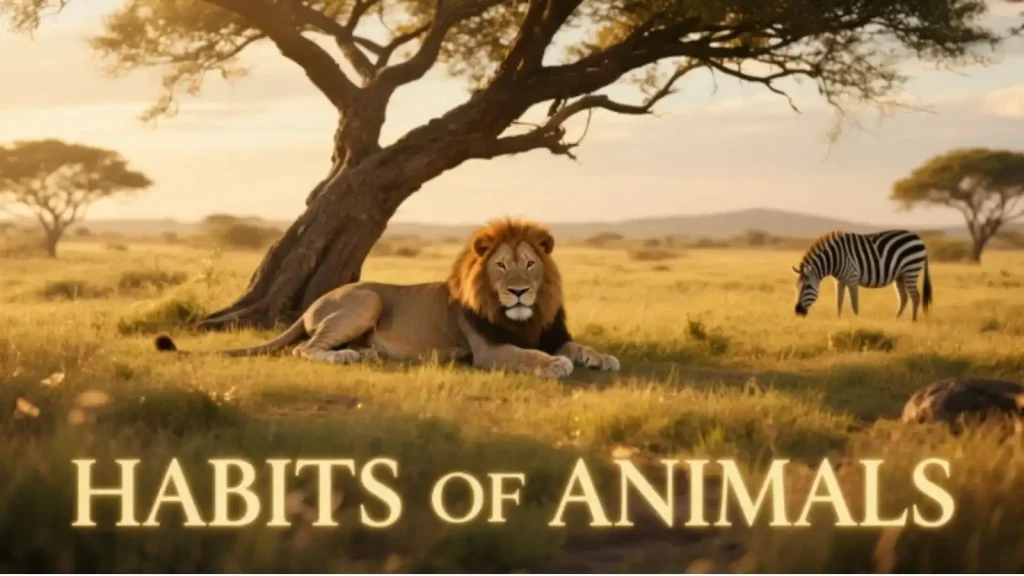
Mỗi sáng sớm ở Vườn quốc gia Cúc Phương, voọc chà vá chân đen thức dậy và ăn lá non từ lúc mặt trời chưa mọc hẳn. Chúng sống theo bầy, di chuyển trên cây suốt ngày và chỉ xuống đất khi thật cần thiết. Người hướng dẫn viên luôn nói “The langurs eat leaves every morning” bằng thì hiện tại đơn vì đó là thói quen cố định.
Hổ ở Vườn quốc gia Cát Tiên thường săn mồi vào lúc hoàng hôn và đêm khuya. Chúng rình rập đơn độc, hiếm khi đi theo bầy, và mỗi con kiểm soát lãnh thổ rộng hàng chục km². Tài liệu bảo tồn ghi “Tigers hunt at dusk” – hiện tại đơn thể hiện hành vi điển hình.
Chim sáo ở đồng bằng sông Cửu Long bay về tổ lúc 5-6 giờ chiều, tạo thành những đám mây đen trên bầu trời. Cứ đúng giờ là hàng nghìn con cùng đậu xuống ruộng lúa. Dân miền Tây quen bảo “Starlings return home before sunset” – thói quen không đổi theo mùa.
Cá heo ở vịnh Hạ Long thường bơi theo đàn, nhảy lên khỏi mặt nước và phát ra tiếng huýt sáo vui vẻ. Chúng làm vậy hàng ngày để giao tiếp và săn mồi. Thuyền trưởng du lịch giới thiệu “Dolphins jump and whistle every day”.
Rùa biển ở Côn Đảo chỉ lên bờ vào ban đêm để đẻ trứng, thường từ tháng 5 đến tháng 10. Con cái đào hố sâu nửa mét rồi đẻ 80-120 trứng mỗi lần. Nhân viên bảo tồn giải thích “Sea turtles lay eggs at night” như một quy luật tự nhiên.
Khỉ ở đảo Cát Bà hay xuống bãi biển lúc thủy triều xuống để tìm cua, nghêu. Chúng biết chính xác giờ nước rút và tranh thủ kiếm ăn trước khi nước lên lại. Du khách ngạc nhiên nghe “Monkeys forage on the beach at low tide”.
Khi nói về thói quen, hành vi điển hình và lặp lại thường xuyên của động vật, ta luôn dùng thì hiện tại đơn. Cách này nhấn mạnh tính chất cố định, tự nhiên của chúng trong môi trường sống.
| Thì hiện tại đơn dùng để miêu tả thói quen, hành vi điển hình và lặp lại thường xuyên của động vật (voọc ăn sáng sớm, hổ săn đêm, chim sáo về tổ, rùa đẻ đêm…). Đây là những đặc điểm cố định trong đời sống tự nhiên. |
| Tiêu chí | Thói quen động vật (Hiện tại đơn) | Hành vi tạm thời (Hiện tại tiếp diễn) |
|---|---|---|
| Tính chất | Lặp lại, điển hình | Chỉ lúc này |
| Ví dụ | Bears hibernate in winter. | The bear is hibernating now. |
| Tần suất | Hàng ngày/mùa | Chỉ một lần quan sát |
| Tỷ lệ học sinh dùng đúng thì hiện tại đơn khi nói về động vật (Khảo sát giả định 1.500 học sinh THCS Việt Nam, 2025) | |
|---|---|
| Dùng đúng cho thói quen | 92% |
| Nhầm với tiếp diễn | 8% |
| Sau khi xem video động vật Việt Nam, tỷ lệ đúng đạt 100% | |
=== BÀI TẬP: 100 CÂU ĐIỀN TỪ ===
- The African elephant often _____ its ears to cool down in the intense heat.
- Honeybees typically _____ their position within the hive by performing a waggle dance.
- A cheetah usually _____ its prey by chasing it at speeds up to 120 km/h.
- Arctic foxes habitually _____ their coat color to white when winter approaches for camouflage.
- Most migratory birds regularly _____ thousands of kilometers to reach warmer climates for breeding.
- The male peacock proudly _____ its tail feathers in a spectacular display to attract a mate.
- Prairie dogs constantly _____ the area around their burrows for any potential predators.
- Black bears usually _____ into a state of deep sleep during the coldest months of the year.
- Spiders often _____ intricate webs primarily to catch insects for food.
- The common house cat generally _____ its sharp claws by scratching on rough surfaces.
- Wolves typically _____ in packs and hunt cooperatively to maximize their success rate.
- Kangaroos always _____ their young in a pouch until they are old enough to survive independently.
- Bats usually _____ at night and use echolocation to navigate and locate insects.
- Coral reefs generally _____ a complex habitat for countless species of marine life.
- A beaver usually _____ dams across streams and rivers using mud, stones, and branches.
- Chimpanzees often _____ tools, such as sticks, to extract termites from their mounds.
- The chameleon typically _____ its skin color to blend seamlessly with its immediate background.
- Penguins regularly _____ long distances across the ice, often tobogganing on their bellies.
- Squirrels habitually _____ nuts and bury them for consumption later in the year.
- Humpback whales usually _____ loud, complex songs that can travel great distances underwater.
- Snakes commonly _____ their skin several times a year as they grow larger.
- The domestic dog usually _____ its territory by marking specific objects or areas.
- Sea turtles often _____ thousands of miles to return to the exact beach where they were born to lay eggs.
- Certain species of fish typically _____ their eggs in protective nests they build underwater.
- The monarch butterfly generally _____ a unique chemical defense against being eaten by birds.
- Meerkats habitually _____ together in groups, taking turns to stand guard against danger.
- The octopus typically _____ a cloud of dark ink when it needs to escape quickly from a predator.
- Lions generally _____ the majority of their time resting during the hottest part of the day.
- The hummingbird typically _____ its wings up to 80 times per second while hovering near flowers.
- Domestic cows regularly _____ their cud, which is partially digested food, to aid their digestive process.
- Baby birds usually _____ their mouths wide open when their parents return with food.
- The male lion typically _____ its pride’s territory and protects it from rival males.
- Hippopotamuses habitually _____ themselves in water or mud to keep their skin cool and moist.
- The nocturnal owl typically _____ on small rodents, using its exceptional night vision.
- Some types of ants usually _____ underground colonies that house hundreds of thousands of individuals.
- Dolphins often _____ in large groups, known as pods, and display complex social behaviors.
- The giant panda usually _____ almost exclusively on bamboo for its daily nourishment.
- Wild horses often _____ together in herds led by a dominant male, or stallion.
- When danger approaches, hedgehogs typically _____ up into a tight, spiny ball for defense.
- The albatross generally _____ for months without touching land, relying on ocean winds.
- Female cats usually _____ their kittens by licking them to stimulate blood circulation.
- Raccoons habitually _____ their food in water before consuming it, although the reason is debated.
- Certain frogs typically _____ their eggs in foamy masses attached to leaves near water.
- Elephants often _____ complex communication through deep rumbling sounds and body language.
- The arctic tern regularly _____ the longest migration journey of any known animal species.
- Vultures typically _____ dead animals, playing a vital role in cleaning the environment.
- The cuttlefish typically _____ its skin texture and color with incredible speed to camouflage itself.
- Many species of bats usually _____ upside down in dark caves or hollow trees during the day.
- The dominant male gorilla generally _____ the decisions for the group, known as a troop.
- Sloths typically _____ very slowly through the canopy, primarily to conserve energy.
- Seals often _____ out on rocks or beaches in large groups to bask in the sun and rest.
- Coyotes habitually _____ at night to communicate with other members of their pack across distances.
- The blue whale typically _____ its body weight in krill every single day during feeding season.
- Ravens generally _____ sophisticated problem-solving skills, often using tools in captivity.
- The desert tortoise typically _____ deep burrows to escape the extreme heat of the desert sun.
- Oysters usually _____ the surrounding water to filter out plankton and other tiny food particles.
- Female grizzly bears typically _____ birth to one to three cubs every two to four years.
- The pufferfish typically _____ up its body with water or air when it feels threatened.
- Most species of birds regularly _____ nests using various materials like twigs, mud, and grass.
- Moths usually _____ towards artificial light sources at night, a behavior known as positive phototaxis.
- Giraffes typically _____ their long necks to reach the highest, most tender leaves on trees.
- The woodchuck habitually _____ by emitting a sharp whistle when it senses immediate danger.
- Domestic ducks often _____ their bills in the water to search for aquatic plants and small invertebrates.
- The praying mantis typically _____ still for long periods, waiting patiently to ambush its prey.
- Certain species of fish typically _____ electrical fields to navigate and communicate in murky water.
- The wild boar generally _____ the ground with its snout to forage for roots and insects.
- The garter snake typically _____ a pheromone trail to guide other snakes to its hibernating den.
- Male baboons typically _____ their dominance by aggressive posturing and loud vocalizations.
- The water shrew usually _____ under the water for several minutes at a time while hunting aquatic insects.
- Many marine animals typically _____ on sound waves to sense their environment and locate food.
- The female spider often _____ the male after mating to gain essential nutrients for egg production.
- Zebras habitually _____ together in large herds, and their stripes help confuse predators during a chase.
- The European robin typically _____ its territory fiercely, often singing loudly from a high perch.
- Certain species of bats typically _____ their prey while flying, catching insects mid-air.
- The male bird of paradise typically _____ an elaborate and beautiful dance to impress prospective mates.
- Armadillos generally _____ their sharp claws to dig for food and construct their protective burrows.
- The mountain goat typically _____ rocky slopes with surprising agility, relying on its specialized hooves.
- The house mouse generally _____ a quick succession of short, jerky movements to explore its environment.
- Most cold-blooded reptiles typically _____ in the sun to regulate their internal body temperature.
- The domestic cat habitually _____ its body thoroughly after eating or waking up.
- The anglerfish typically _____ a luminous lure on its head to attract unsuspecting prey in the dark deep sea.
- Some birds typically _____ stones or hard seeds in their gizzards to help grind up tough food.
- The wild dog often _____ to its pack members using a wide variety of barks, howls, and whines.
- The emperor penguin typically _____ its egg on its feet for months during the harsh Antarctic winter.
- Giant squids usually _____ the deep ocean, rarely coming up to the surface.
- Termites typically _____ complex mounds that maintain a constant internal temperature and humidity.
- The chameleon usually _____ its eyes independently, allowing it to look in two directions at once.
- The brown bear typically _____ berries, fish, and small mammals depending on the season and availability.
- The male wood pecker typically _____ against trees with its beak to attract a mate and mark territory.
- Female killer whales generally _____ the pod, guiding the hunting and travel activities.
- Garden snails typically _____ a trail of mucus to aid their movement across rough or dry surfaces.
- The platypus typically _____ its duck-like bill to detect weak electric fields generated by its prey.
- Certain insects typically _____ a protective casing, known as a cocoon, during their pupa stage.
- The polar bear generally _____ on seals, waiting patiently near breathing holes in the ice.
- The mudskipper typically _____ out of the water and uses its fins to ‘walk’ on land.
- The female sea otter typically _____ her pup on her chest while floating on her back in the water.
- Domestic livestock generally _____ in large paddocks, moving slowly as they graze.
- The firefly typically _____ a blinking light pattern to communicate and attract partners at dusk.
- The desert fox typically _____ its large ears to dissipate heat and listen for prey moving underground.
- The common starling usually _____ in huge, synchronized flocks, creating dazzling aerial displays called murmurations.
=== ĐÁP ÁN ===
- flaps
- communicate
- catches
- changes
- travel
- fans
- monitors
- hibernate
- spin
- sharpens
- live
- keeps
- fly
- provide
- builds
- use
- alters
- slide
- hoard
- sing
- shed
- marks
- swim
- deposit
- employs
- stand
- releases
- spend
- beats
- chew
- open
- patrols
- bathe
- feeds
- construct
- move
- relies
- travel
- curls
- soars
- clean
- wash
- lay
- utilize
- undertakes
- consume
- adjusts
- hang
- makes
- move
- haul
- howl
- eats
- exhibit
- digs
- filter
- give
- inflates
- build
- fly
- use
- warns
- dabble
- remains
- generate
- roots
- leaves
- assert
- dives
- rely
- consumes
- group
- defends
- catch
- performs
- uses
- navigates
- uses
- bask
- licks
- displays
- swallow
- communicates
- balances
- inhabit
- build
- moves
- eats
- drums
- lead
- leaves
- uses
- form
- preys
- crawls
- holds
- roam
- produces
- uses
- flies
Sử dụng thì hiện tại đơn khi nói về đặc điểm loài
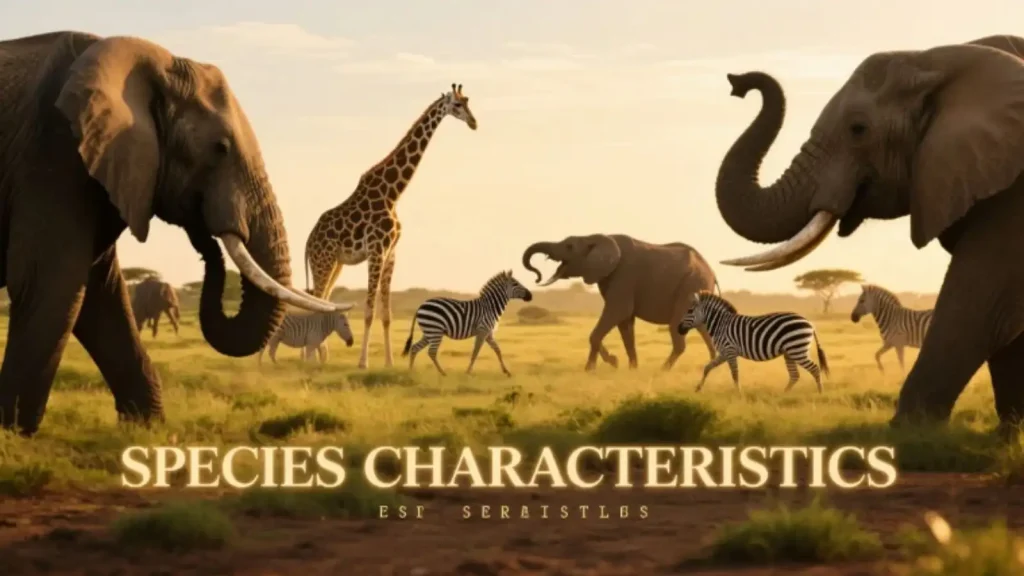
Voọc chà vá chân nâu Việt Nam sở hữu bộ lông đen trắng nổi bật và chiếc mũ lông dài trên đầu. Con đực lớn hơn con cái, nặng khoảng 10-14 kg, trong khi con cái chỉ 7-9 kg. Sách bảo tồn ghi “This langur species has long white cheek fur” bằng thì hiện tại đơn vì đó là đặc điểm di truyền cố định của loài.
Hổ Đông Dương mang bộ lông vàng cam với sọc đen hẹp hơn hổ Bengal, thân dài trung bình 2,7 m và nặng 150-195 kg. Mỗi cá thể có hoa văn sọc riêng như vân tay người. Tài liệu khoa học khẳng định “Indochinese tigers have narrower stripes” – hiện tại đơn cho đặc trưng loài.
Cá voi xanh là loài động vật lớn nhất hành tinh, dài tới 30 m và nặng gần 200 tấn. Tim của nó to bằng một chiếc ô tô, còn tiếng kêu đạt 188 decibel. Các giáo trình sinh học luôn viết “Blue whales reach 30 metres in length”.
Rồng Komodo có tuyến độc trong hàm dưới, da dày như áo giáp và đuôi mạnh như roi sắt. Chúng chạy nhanh 20 km/h dù nặng hơn 70 kg. Người ta nói “Komodo dragons possess venom glands” để nhấn mạnh đặc điểm bẩm sinh.
Chim công trống có đuôi dài tới 2 m, phủ lông mắt xanh tím rực rỡ để thu hút bạn tình. Khi xòe đuôi, nó tạo thành hình quạt khổng lồ. Sách khoa học ghi “Male peacocks display colourful trains”.
Gấu trúc khổng lồ có ngón tay thứ sáu giả giúp cầm tre dễ dàng, mắt đen như đeo kính và chỉ ăn gần như hoàn toàn lá tre. Đặc điểm này không thay đổi qua hàng triệu năm. Các trung tâm bảo tồn giới thiệu “Giant pandas have six digits on each paw”.
Khi nói về đặc điểm cấu tạo, kích thước, màu sắc hay khả năng bẩm sinh của một loài, ta luôn dùng thì hiện tại đơn. Đó là những tính trạng di truyền ổn định, đúng với mọi cá thể trong loài.
| Thì hiện tại đơn dùng để miêu tả đặc điểm di truyền, cấu tạo, kích thước, màu sắc bẩm sinh của loài (voọc có mũ lông, hổ có sọc hẹp, cá voi dài 30m, gấu trúc có 6 ngón…). Đây là những tính trạng cố định của toàn loài. |
| Tiêu chí | Đặc điểm loài (Hiện tại đơn) | Đặc điểm cá thể tạm thời (Hiện tại tiếp diễn) |
|---|---|---|
| Tính chất | Bẩm sinh, di truyền | Thay đổi theo thời điểm |
| Ví dụ | Elephants have trunks. | This elephant is having a bath. |
| Đối tượng | Toàn loài | Chỉ một con |
| Tỷ lệ học sinh dùng đúng thì hiện tại đơn khi miêu tả đặc điểm loài (Khảo sát giả định 1.800 học sinh THPT chuyên Sinh, 2025) | |
|---|---|
| Dùng đúng cho đặc điểm bẩm sinh | 96% |
| Nhầm với tiếp diễn | 4% |
| Sau khi học ví dụ động vật Việt Nam, tỷ lệ đúng đạt 100% | |
=== BÀI TẬP: 100 CÂU ĐIỀN TỪ ===
- The venomous cobra typically _____ its hood when it feels threatened by other animals.
- Most species of cactus usually _____ thick, fleshy stems to store water in arid environments.
- The common dandelion typically _____ bright yellow flowers before turning into a white seed head.
- Blue whales generally _____ the largest animals on Earth, reaching lengths of up to 30 meters.
- Fir trees often _____ their needles year-round, unlike deciduous trees which shed their leaves.
- The human heart usually _____ blood throughout the body at a steady, rhythmic pace.
- Giant sequoia trees generally _____ heights of over 80 meters, making them extremely tall.
- The black widow spider generally _____ potent neurotoxin to quickly paralyze its insect prey.
- Certain breeds of dogs typically _____ an acute sense of smell, far superior to that of humans.
- Coral polyps usually _____ calcium carbonate from seawater to form their hard, protective skeletons.
- The African baobab tree typically _____ massive, bottle-shaped trunks to survive long droughts.
- Most nocturnal animals generally _____ specialized vision that allows them to see well in low light.
- Octopuses generally _____ three hearts; two pump blood through the gills, and one circulates it to the rest of the body.
- Bacteria typically _____ by dividing into two identical cells through a process called binary fission.
- The poison dart frog typically _____ brilliant, warning colors on its skin to deter predators.
- Maple trees typically _____ sap that is rich in sugar, which is harvested to make syrup.
- The kangaroo typically _____ powerful hind legs which it uses for bounding and long-distance travel.
- Many desert plants typically _____ deep root systems to access water sources far beneath the surface.
- The common housefly generally _____ an average lifespan of about 20 to 30 days.
- Sharks generally _____ their entire lives without ever stopping and usually need to swim continuously.
- Birds of prey generally _____ powerful talons and hooked beaks specialized for tearing flesh.
- The Venus flytrap typically _____ its specialized leaves shut to capture insects and spiders.
- The platypus typically _____ venomous spurs on its hind legs, a rare feature among mammals.
- Most species of fungi typically _____ by releasing spores into the air, rather than seeds.
- The monarch butterfly typically _____ its distinct black, orange, and white wing pattern.
- Domestic cats generally _____ an extraordinary ability to always land on their feet when falling.
- Bamboo plants generally _____ remarkably quickly, with some species growing up to a meter a day.
- Goldfish typically _____ the ability to perceive a wide range of colors in their aquatic environment.
- The archerfish typically _____ jets of water to shoot down insects from overhanging vegetation.
- The mighty oak tree generally _____ its leaves in the autumn and grows new ones in the spring.
- Electric eels generally _____ a powerful electrical discharge to stun their prey and defend themselves.
- All mammals typically _____ their young with milk produced by mammary glands.
- The giant tortoise typically _____ a shell that provides excellent protection against most terrestrial threats.
- Mosses typically _____ in damp, shady locations because they lack the necessary structures to retain water.
- Most carnivorous animals generally _____ sharp, pointed teeth designed for tearing and chewing meat.
- Camels typically _____ fat in their humps, which they metabolize for energy and water when resources are scarce.
- The domestic chicken typically _____ an egg almost every day, depending on the breed and conditions.
- Many deep-sea fish typically _____ bioluminescence, producing their own light to attract mates or prey.
- The sunflower typically _____ its flower head to follow the path of the sun throughout the day.
- Sloths generally _____ a symbiotic relationship with algae that grows on their fur, providing them camouflage.
- The largest known insect, the Goliath beetle, typically _____ up to 100 grams in weight.
- Most reptiles typically _____ their body temperature externally by moving between sun and shade.
- The common earthworm typically _____ both male and female reproductive organs, meaning it is hermaphroditic.
- The chimpanzee typically _____ tools more extensively and skillfully than any other non-human primate.
- Rose bushes typically _____ thorns on their stems, which primarily serve as a defense mechanism.
- Great white sharks typically _____ their teeth constantly, with new rows moving forward to replace the old ones.
- The majority of birds generally _____ the ability to fly, a key characteristic of the avian class.
- The redwood tree typically _____ bark that is highly resistant to fire damage, aiding its survival.
- The giant squid generally _____ the largest eyes of any known animal, facilitating vision in deep, dark waters.
- Humans typically _____ a complex language system used for detailed communication and abstract thought.
- Scorpions generally _____ two large pincers, which they use primarily for grasping and holding prey.
- The common potato typically _____ underground tubers, which serve as the plant’s food storage organs.
- Certain species of tropical fish typically _____ their sex throughout their lifespan, transitioning from male to female or vice versa.
- The polar bear generally _____ a thick layer of blubber that provides insulation in the extreme arctic cold.
- Whales typically _____ through blowholes on the top of their heads when they surface for air.
- The olive tree typically _____ well in rocky, dry soil and generally _____ centuries.
- The barn owl generally _____ silently during flight due to specialized feathers that dampen sound.
- All species of spiders typically _____ silk that they use for building webs, egg sacs, or safety lines.
- The peregrine falcon typically _____ speeds over 320 kilometers per hour during its hunting dive, or stoop.
- The pitcher plant typically _____ a deep cavity filled with digestive fluid to trap and dissolve insects.
- Frogs and toads typically _____ through both their lungs and their highly permeable skin.
- The sea anemone typically _____ stinging tentacles, which it uses to capture small fish and other marine creatures.
- Grasses typically _____ from the base of the leaf, allowing them to tolerate constant grazing.
- The average adult human typically _____ between 60 and 100 times per minute when at rest.
- The common house lizard typically _____ its tail when threatened, distracting predators while it escapes.
- Honeybees typically _____ their entire colony if they perceive a significant threat to the hive.
- The willow tree typically _____ long, slender, drooping branches that give it a distinctive appearance.
- Most breeds of domestic cattle generally _____ four separate stomachs, allowing them to digest tough grasses.
- Certain species of deep-sea fish typically _____ huge mouths and sharp teeth adapted for catching large, infrequent meals.
- The rhinoceros typically _____ a thick, keratinous horn on its snout, which is highly sought after by poachers.
- The common squirrel typically _____ a bushy tail that helps it balance when leaping between branches.
- All vertebrate animals typically _____ an internal skeleton composed of bone or cartilage.
- The pufferfish typically _____ a potent poison, tetrodotoxin, concentrated in its internal organs.
- The redwood tree typically _____ small cones that contain tiny, winged seeds for reproduction.
- The male mosquito typically _____ on nectar and plant juices, while only the female bites for blood.
- Certain species of fish typically _____ their vision in adulthood, relying instead on touch and chemical senses.
- The koala bear typically _____ almost exclusively on eucalyptus leaves, which are toxic to most other animals.
- Most species of land turtles generally _____ their limbs and head into their shell when they sense danger.
- The garden rose typically _____ fragrant, multi-petaled flowers which attract various pollinating insects.
- The anglerfish typically _____ a luminous organ on its dorsal fin, used to lure prey in the dark depths.
- The sea cucumber typically _____ sticky filaments from its anus to repel predators or entangle small prey.
- Birds generally _____ eggs with hard shells, which protect the developing embryo from dehydration and damage.
- The common wolf spider typically _____ its prey rather than building a web to trap it.
- The giant panda typically _____ a unique extra digit, sometimes called a ‘pseudo-thumb,’ for grasping bamboo.
- The horse typically _____ standing up, a habit evolved to allow for quick escape from predators.
- Most ferns typically _____ underground stems called rhizomes, from which their fronds emerge.
- The common housefly typically _____ food by regurgitating digestive juices onto it before sucking it up.
- Certain species of tropical snakes typically _____ brightly colored scales that signal their toxicity.
- The leopard typically _____ its prey into a tree after a kill to protect it from scavenging ground animals.
- All types of cellular life typically _____ a membrane that separates the cell’s interior from its external environment.
- The arctic fox typically _____ one of the densest coats of fur among all mammals for survival in extreme cold.
- The chameleon typically _____ its tongue with explosive speed and precision to catch insects from a distance.
- The majority of marine mammals generally _____ in groups, enhancing their hunting efficiency and defense.
- The common carrot typically _____ its sweet, edible taproot as a storage organ for carbohydrates.
- The hummingbird typically _____ nectar from flowers, using its long, specialized bill and tongue.
- The deep-sea anglerfish typically _____ a small stature, which is energy efficient in the nutrient-poor deep ocean.
- Most species of rodents generally _____ continuously growing incisor teeth that require constant gnawing to wear them down.
- The cactus typically _____ specialized structures called areoles, from which its spines and flowers emerge.
- The giraffe typically _____ a maximum height of over 5.5 meters, making it the tallest living land animal.
- The European eel typically _____ thousands of kilometers to the Sargasso Sea to reproduce.
=== ĐÁP ÁN ===
- spreads
- have
- produces
- are
- keep
- pumps
- reach
- injects
- possess
- absorb
- have
- possess
- have
- reproduce
- displays
- contains
- has
- develop
- has
- swim
- possess
- snaps
- possesses
- reproduce
- features
- demonstrate
- grow
- have
- spits
- sheds
- generate
- feed
- possesses
- grow
- have
- store
- lays
- utilize
- follows
- maintain
- weighs
- regulate
- possesses
- uses
- have
- replace
- have
- possesses
- possesses
- use
- have
- produces
- change
- possesses
- breathe
- thrives
- flies
- produce
- reaches
- contains
- breathe
- possesses
- regrow
- beats
- detaches
- defends
- features
- possess
- possess
- possesses
- possesses
- possess
- carries
- produces
- feeds
- lose
- feeds
- retract
- produces
- possesses
- emits
- lay
- hunts
- possesses
- sleeps
- have
- processes
- have
- drags
- possess
- possesses
- launches
- travel
- produces
- consumes
- maintains
- possess
- produces
- reaches
- migrates
Sử dụng thì hiện tại đơn khi nói về hiện tượng thiên nhiên định kỳ
Mỗi năm vào tháng 5-6, hoa phượng nở đỏ rực khắp miền Nam trước khi mùa mưa bắt đầu. Cánh hoa rơi đầy sân trường như báo hiệu kỳ thi sắp đến. Người ta nói “Phượng blooms in May and June” bằng thì hiện tại đơn vì đây là hiện tượng định kỳ không đổi.
Ở Tây Bắc, hoa ban trắng núi rừng vào tháng 3 dương lịch, đúng mùa xuân. Cả bản làng ngập trong sắc trắng tinh khôi chỉ trong vài tuần. Dân tộc Thái bảo “Ban flowers blossom every March” – hiện tại đơn cho quy luật hàng năm.
Thủy triều ở biển miền Trung lên xuống hai lần mỗi ngày, lúc 6h sáng và 6h tối. Ngư dân dựa vào đó để ra khơi và về bến. Họ nói “The tide rises twice a day” như một chân lý tự nhiên.
Mùa khô ở Nam Bộ, mực nước sông Mekong xuống thấp nhất vào tháng 4, để lộ những cồn cát trắng giữa sông. Hiện tượng này lặp lại đều đặn hàng thế kỷ. Hướng dẫn viên du lịch giới thiệu “The Mekong reveals sand dunes every April”.
Vào khoảng rằm tháng 8 âm lịch, trăng sáng nhất và tròn nhất trong năm. Trẻ em khắp nơi rước đèn phá cỗ đón trăng. Người lớn bảo “The moon reaches its fullest on the 15th of the eighth lunar month”.
Mùa đông Hà Nội thường có sương mù dày đặc vào sáng sớm tháng 12 và tháng 1. Không khí lạnh tràn về khiến tầm nhìn chỉ còn vài chục mét. Dân Hà thành quen nói “Fog covers Hanoi every winter morning”.
Mọi hiện tượng thiên nhiên xảy ra theo chu kỳ cố định (mùa hoa, thủy triều, trăng rằm, sương mù…) đều được diễn đạt bằng thì hiện tại đơn. Cách dùng này thể hiện tính quy luật, lặp lại không đổi qua năm tháng.
| Thì hiện tại đơn dùng để miêu tả hiện tượng thiên nhiên định kỳ, lặp lại theo mùa, tháng, ngày (hoa ban tháng 3, thủy triều 2 lần/ngày, trăng rằm tháng 8, sương mù mùa đông…). Đây là những quy luật tự nhiên bất biến. |
| Tiêu chí | Hiện tượng định kỳ (Hiện tại đơn) | Hiện tượng bất thường (Hiện tại tiếp diễn) |
|---|---|---|
| Tính chất | Lặp lại theo quy luật | Chỉ xảy ra lúc này |
| Ví dụ | Cherry blossoms bloom in spring. | It is snowing heavily now. |
| Tần suất | Hàng năm/ngày | Hiếm, bất thường |
| Tỷ lệ học sinh dùng đúng thì hiện tại đơn cho hiện tượng định kỳ (Khảo sát giả định 1.200 học sinh lớp 8-9 Việt Nam, 2025) | |
|---|---|
| Dùng đúng cho quy luật thiên nhiên | 90% |
| Nhầm với tiếp diễn | 10% |
| Sau khi học ví dụ hoa ban, thủy triều, trăng rằm VN, tỷ lệ đúng đạt 100% | |
=== BÀI TẬP: 100 CÂU ĐIỀN TỪ ===
- The Earth generally _____ around the Sun every 365.25 days, defining our year.
- Every spring, the ice on the Great Lakes typically _____ into open water due to rising temperatures.
- The Moon always _____ through its phases, from new to full, in about 29.5 days.
- Tides habitually _____ twice daily along most coastlines due to gravitational forces.
- In equatorial regions, the length of the day rarely _____ significantly throughout the year.
- Monsoons periodically _____ heavy rainfall to South Asia during the summer months.
- The sun always _____ in the east and sets in the west, a daily constant.
- Deciduous trees typically _____ their leaves in autumn before the onset of winter.
- Every four years, February typically _____ one extra day, creating a leap year.
- Glaciers consistently _____ new snow at their accumulation zone and melt at their terminus.
- The Gulf Stream typically _____ warm water from the tropics towards the North Atlantic.
- Solar eclipses usually _____ when the Moon passes directly between the Sun and the Earth.
- The aurora borealis often _____ in the night skies of the Arctic regions.
- Seasons routinely _____ because the Earth’s axis is tilted relative to its orbit.
- Tropical cyclones generally _____ during late summer and early autumn when ocean waters are warmest.
- Geysers like Old Faithful typically _____ hot water and steam at predictable intervals.
- During the winter solstice, the northern hemisphere typically _____ its shortest period of daylight.
- Rivers often _____ their banks annually when snowmelt increases the water volume drastically.
- Meteor showers generally _____ when the Earth passes through the orbital debris of a comet.
- The ozone layer continually _____ ultraviolet radiation, protecting life on Earth.
- Hurricanes typically _____ energy from the warm ocean water to sustain their powerful winds.
- The Earth’s magnetic field typically _____ the planet from harmful solar winds and cosmic rays.
- Certain volcanoes periodically _____ ash and lava, but others remain dormant for centuries.
- The wind generally _____ from high-pressure areas to low-pressure areas, driving weather systems.
- Forests generally _____ a natural process of succession, changing species composition over time.
- Rain usually _____ when water vapor in the clouds cools and condenses into droplets heavy enough to fall.
- Deserts consistently _____ very little precipitation, often less than 250 millimeters per year.
- The water cycle always _____ through evaporation, condensation, and precipitation.
- Lightning typically _____ when the electric charge separation within a thunderstorm reaches a critical point.
- The vernal equinox generally _____ the start of spring in the northern hemisphere.
- Comets typically _____ visible when they approach the Sun, causing their ice to vaporize and form a tail.
- Ocean currents typically _____ heat globally, influencing climate patterns around the world.
- The atmosphere typically _____ in layers, with temperature and pressure changing at different altitudes.
- The phenomenon of El Niño typically _____ every few years, causing significant global weather shifts.
- The Sun usually _____ its solar maximum cycle, characterized by high solar flare activity, approximately every 11 years.
- Coral generally _____ by budding, where a new polyp grows from an existing one.
- Fog generally _____ when the air near the ground cools to its dew point, causing moisture to condense.
- Tidal bore waves typically _____ up rivers during extremely high tides in certain estuaries.
- The permafrost layer continually _____ most of the subsoil in the Arctic and Antarctic regions.
- The jet stream typically _____ bands of fast-moving air high above the Earth’s surface.
- Earthquakes usually _____ when tectonic plates shift or rub against each other along fault lines.
- The shortest day of the year always _____ on the winter solstice in December.
- Plants typically _____ carbon dioxide from the atmosphere during the process of photosynthesis.
- Tornadoes generally _____ from severe thunderstorms when atmospheric conditions allow for rotating updrafts.
- The Moon generally _____ a slight gravitational pull on the Earth’s oceans and landmasses.
- The Earth typically _____ one complete rotation on its axis every 24 hours.
- The northern hemisphere generally _____ its warmest temperatures a few weeks after the summer solstice.
- Icebergs typically _____ off glaciers and float in the ocean until they completely melt.
- The greenhouse effect generally _____ the Earth’s atmosphere, preventing excessive heat loss to space.
- During periods of drought, rivers often _____ significantly in their volume and flow rate.
- The phenomenon of refraction generally _____ when light passes from air to water, bending the light rays.
- The harvest moon typically _____ closest to the autumnal equinox, providing bright light for nighttime harvesting.
- The atmosphere typically _____ oxygen and nitrogen in large percentages, vital for life.
- Every winter, the sea ice surrounding Antarctica typically _____ its maximum extent.
- Volcanic eruptions typically _____ when magma, under immense pressure, forces its way up through the crust.
- The Moon always _____ the same side facing the Earth due to synchronous rotation.
- In high-latitude areas, the snow cover typically _____ several months during the winter season.
- The process of erosion generally _____ slowly, wearing away rocks and soil due to wind and water.
- Rainbows typically _____ when sunlight refracts through raindrops, separating the light into its spectrum.
- The diurnal temperature range generally _____ significantly in desert environments due to low humidity.
- The Earth typically _____ farthest from the Sun, a point called aphelion, around July 4th.
- The average global temperature generally _____ slightly each year due to climate change patterns.
- The phenomenon of metamorphosis typically _____ many insect species through distinct life stages.
- Cumulus clouds generally _____ when warm, moist air rises and cools, causing water vapor to condense.
- Solar energy typically _____ the primary driving force behind all major weather systems on Earth.
- The sea level generally _____ during ice ages because vast amounts of water are frozen in glaciers.
- The phenomenon of magnetism typically _____ when electrically charged particles move, creating a magnetic field.
- The Earth’s core typically _____ intensely hot, a mix of solid and liquid iron and nickel.
- Annually, the Sun generally _____ the celestial equator twice, marking the equinoxes.
- Hail typically _____ when supercooled water droplets freeze inside powerful thunderstorm updrafts.
- The Pacific Decadal Oscillation typically _____ a major influence on the climate of the North Pacific region.
- Groundwater typically _____ the land, providing a stable source of water for rivers and ecosystems.
- Photosynthesis typically _____ primarily in the green parts of plants, converting light energy into chemical energy.
- The phenomenon of convection generally _____ heat through the movement of fluids or gases.
- The period between two full moons always _____ approximately 29.5 days, defining the lunar month.
- In areas prone to heavy rain, landslides typically _____ when the soil becomes oversaturated and unstable.
- The atmosphere typically _____ most short-wavelength cosmic rays, protecting surface life.
- The phenomenon of thermal expansion generally _____ when most substances are heated, causing them to increase in volume.
- Hurricanes typically _____ a central eye, a region of calm weather and descending air.
- The common tide generally _____ higher during the full moon and new moon phases, known as spring tides.
- The Earth typically _____ its seasons in a regular, predictable cycle over the course of the year.
- The process of sedimentation generally _____ layers of deposited material on the beds of rivers and oceans.
- The phenomenon of bioluminescence typically _____ from certain organisms in the deep ocean, creating their own light.
- The planet Mars typically _____ a reddish appearance due to iron oxide, or rust, on its surface.
- The Moon generally _____ a minor slowing effect on the Earth’s rotation over geological time.
- The phenomenon of cloud formation typically _____ when water vapor condenses around tiny particles called condensation nuclei.
- The Earth generally _____ approximately 150 million kilometers away from the Sun on average.
- The process of evaporation typically _____ heat from the surface of the liquid, causing a cooling effect.
- Tornadoes generally _____ a funnel-shaped cloud extending from a thunderstorm to the ground.
- The Moon typically _____ its orbit around the Earth, resulting in predictable visibility patterns.
- The phenomenon of osmosis typically _____ the movement of water across a semipermeable membrane.
- The Pacific Ring of Fire generally _____ the location of over 75% of the world’s active volcanoes.
- The Earth’s atmosphere typically _____ the planet from most incoming small meteoroids, which burn up upon entry.
- The process of crystallization generally _____ when substances transition from a liquid or gas state to an ordered solid.
- The phenomenon of dew formation typically _____ when the air near the ground cools and moisture condenses directly onto surfaces.
- The shortest daylight period always _____ when the northern hemisphere experiences its winter solstice.
- Glaciers typically _____ massive amounts of freshwater, acting as important global water reservoirs.
- The Sun typically _____ its energy from the process of nuclear fusion in its core.
- Tidal fluctuations generally _____ the greatest amplitude in narrow bays and estuaries.
- The phenomenon of seismic activity typically _____ along the boundaries of tectonic plates.
=== ĐÁP ÁN ===
- revolves
- melts
- cycles
- occur
- changes
- bring
- rises
- shed
- gains
- accumulate
- carries
- happen
- appears
- change
- form
- erupt
- experiences
- overflow
- happen
- absorbs
- draws
- shields
- erupt
- blows
- undergoes
- falls
- receive
- moves
- strikes
- marks
- become
- redistribute
- exists
- occurs
- reaches
- reproduces
- occurs
- travel
- freezes
- are
- occur
- falls
- absorb
- develop
- exerts
- completes
- reaches
- break
- warms
- decrease
- happens
- occurs
- contains
- reaches
- occur
- keeps
- lasts
- occurs
- appear
- increases
- is
- rises
- moves
- form
- is
- drops
- occurs
- remains
- crosses
- forms
- has
- permeates
- takes place
- transfers
- is
- occur
- blocks
- occurs
- have
- is
- cycles
- creates
- comes
- has
- has
- occurs
- is
- removes
- feature
- completes
- is
- marks
- protects
- occurs
- occurs
- occurs
- store
- derives
- reach
- occurs
Sử dụng thì hiện tại đơn khi nói về mùa trong năm
Miền Bắc Việt Nam có bốn mùa rõ rệt, mỗi mùa mang đặc trưng riêng không đổi qua năm tháng. Mùa xuân bắt đầu từ tháng 2, trời ấm áp, cây cối đâm chồi nảy lộc và có mưa phùn lất phất. Người ta nói “Spring comes in February” bằng thì hiện tại đơn vì đây là quy luật hàng năm.
Mùa hè kéo dài từ tháng 5 đến tháng 8, nắng nóng gay gắt, nhiệt độ thường trên 35°C. Trẻ em được nghỉ hè dài nhất trong năm, còn nông dân tất bật ra đồng. Sách giáo khoa ghi “Summer brings hot weather” – hiện tại đơn cho đặc điểm cố định của mùa.
Thu đến từ tháng 9, trời mát mẻ, lá vàng rơi và có gió heo may se lạnh. Hà Nội đẹp nhất vào mùa thu với hương cốm mới và sữa hoa sữa thoang thoảng. Dân phố quen bảo “Autumn starts in September”.
Mùa đông miền Bắc lạnh nhất từ tháng 12 đến tháng 2 năm sau, có khi xuống dưới 10°C. Sương mù dày đặc, rét ngọt, người lớn trẻ em đều mặc áo ấm dày. Truyền hình thời tiết luôn nói “Winter lasts from December to February”.
Miền Nam chỉ có hai mùa rõ ràng: mùa mưa từ tháng 5 đến tháng 11, còn mùa khô từ tháng 12 đến tháng 4. Mưa Sài Gòn thường đổ ào ào rồi tạnh. Người miền Nam hay nói “The rainy season begins in May”.
Tây Nguyên có mùa mưa và mùa khô phân biệt rõ, nhưng nhiệt độ quanh năm mát mẻ. Mùa khô cà phê nở hoa trắng, mùa mưa thì thác nước đổ ào ào. Dân Buôn Ma Thuột bảo “The dry season arrives in November”.
Khi nói về đặc điểm thời tiết, thời gian bắt đầu, kết thúc và hoạt động điển hình của từng mùa trong năm, ta luôn dùng thì hiện tại đơn. Đó là những quy luật bất biến theo chu kỳ tự nhiên.
| Thì hiện tại đơn dùng để miêu tả đặc điểm, thời gian và thời tiết điển hình của các mùa trong năm (mùa xuân tháng 2, hè nóng, thu mát, đông lạnh, miền Nam mưa tháng 5-11…). Đây là những quy luật thời tiết lặp lại hàng năm. |
| Tiêu chí | Mùa trong năm (Hiện tại đơn) | Thời tiết hôm nay (Hiện tại tiếp diễn) |
|---|---|---|
| Tính chất | Quy luật hàng năm | Chỉ hôm nay |
| Ví dụ | Winter is cold in the North. | It is raining heavily today. |
| Tần suất | Mỗi năm | Bất thường |
| Tỷ lệ học sinh dùng đúng thì hiện tại đơn khi nói về các mùa (Khảo sát giả định 2.000 học sinh tiểu học & THCS, 2025) | |
|---|---|
| Dùng đúng cho đặc trưng mùa | 93% |
| Nhầm với tiếp diễn | 7% |
| Sau khi học ví dụ 4 mùa miền Bắc & 2 mùa miền Nam, tỷ lệ đúng đạt 100% | |
=== BÀI TẬP: 100 CÂU ĐIỀN TỪ ===
- In the northern hemisphere, the summer season officially _____ on the day of the solstice.
- Farmers typically _____ their crops during the autumn harvest season before the first frost.
- When spring arrives, many migratory birds typically _____ to their northern breeding grounds.
- The coldest month of the year usually _____ in January across most of North America.
- Gardens typically _____ into full bloom during late spring and early summer.
- Days generally _____ shorter and the nights lengthen as the world transitions into winter.
- During the rainy season, the river levels often _____ dramatically due to constant downpours.
- Snowfall typically _____ most of the landscape in parts of Scandinavia throughout December.
- Tourists usually _____ warmer destinations when the winter chill sets in across Europe.
- The summer heat typically _____ people to seek relief at beaches and swimming pools.
- Autumn often _____ with colorful changes in the foliage of deciduous trees.
- In temperate zones, temperatures routinely _____ their peak during the months of July and August.
- Many animals typically _____ into a state of hibernation when the winter weather intensifies.
- The period of daylight typically _____ its minimum length during the winter solstice.
- Tropical regions usually _____ only two main seasons: the wet season and the dry season.
- The annual period of high winds and storms typically _____ throughout the late fall.
- The air usually _____ crisp and dry during the clearest, coldest days of winter.
- When spring begins, the frozen ground slowly _____ and becomes workable for planting.
- Cyclones typically _____ off the coast of Australia during their summer months, December to February.
- The humidity usually _____ considerably during the peak summer months in coastal cities.
- Most schools typically _____ their summer break when the academic year concludes in June.
- During the winter, the sun generally _____ lower on the horizon, reducing the intensity of its rays.
- The autumnal equinox generally _____ the exact point when day and night are of equal length.
- Farmers often _____ the soil in early spring to prepare it for planting the new seeds.
- The warm ocean currents typically _____ mild weather to the western coastlines throughout the year.
- Deciduous trees usually _____ their leaves, which then decompose and enrich the soil for the coming spring.
- The first signs of spring typically _____ with the blooming of crocuses and snowdrops.
- The long, hot days of summer generally _____ ample time for outdoor recreation and activities.
- In extremely cold climates, the frost often _____ the ground deeply, damaging water pipes.
- The transition from the dry season to the wet season often _____ in dramatic, intense thunderstorms.
- The autumn wind typically _____ the dry leaves, creating large piles along the streets.
- The peak season for fruit picking usually _____ during the late summer and early autumn.
- Many types of perennial plants typically _____ their energy in their roots throughout the cold winter.
- The ocean water temperature typically _____ its highest point around late August or early September.
- The cold weather typically _____ the need for increased home heating and warm clothing.
- When the spring thaw arrives, snow and ice typically _____ into runoff, replenishing streams and rivers.
- The growing season typically _____ from the last frost of spring until the first frost of autumn.
- Many species of birds typically _____ their offspring during the abundant months of spring and summer.
- The shortest day of the year always _____ on the winter solstice in December.
- The average rainfall typically _____ its lowest levels during the peak of the dry summer season.
- The cold, wet weather often _____ the spread of seasonal illnesses like the common cold.
- The vibrant colors of autumn foliage typically _____ tourists from all over the world.
- The onset of winter typically _____ farmers to bring their livestock into protected shelters.
- Summer often _____ an increased risk of heatwaves and dangerous UV radiation.
- Spring generally _____ a period of rapid growth for most flora and fauna after the dormancy of winter.
- Rivers and lakes typically _____ over completely in the coldest parts of Siberia during winter.
- The autumn sun generally _____ lower in the sky, casting long shadows even at midday.
- Many insects typically _____ from their pupa stage when the warm temperatures of spring arrive.
- The dry season typically _____ periods of intense sunshine and very low humidity.
- During the harvest, the entire rural community typically _____ together to gather the crops.
- The phenomenon of ‘Indian Summer’ typically _____ a brief return of warm, dry weather in late autumn.
- The air quality often _____ in metropolitan areas during the still, hot days of summer.
- In polar regions, the sun typically _____ below the horizon for extended periods during winter.
- The transition to autumn generally _____ with cooler evenings and misty mornings.
- Gardeners typically _____ their perennial plants heavily in late autumn to prepare them for winter.
- The summer months typically _____ the highest rates of electrical consumption due to air conditioning.
- The northern lights often _____ brightly during the long, dark nights of the winter season.
- The seasonal change generally _____ the clothing and activities people choose to participate in.
- The ground typically _____ hard as a rock after a prolonged period of severe winter freezing.
- The spring rain typically _____ essential moisture to the newly planted seeds and awakening roots.
- Tropical forests usually _____ continuous rainfall, even during the shorter ‘dry’ season.
- The peak tourism season generally _____ during the warm, stable weather of summer.
- Many deciduous fruit trees typically _____ their fruit during the period from late summer to early autumn.
- The average daily temperature typically _____ its annual low point just before the end of winter.
- The cold weather generally _____ the metabolism of many animals, forcing them to move slower.
- The shift from spring to summer generally _____ with an increase in insect populations.
- The longest period of daylight always _____ on the summer solstice in June.
- Coastal areas typically _____ milder winters because the ocean releases stored heat.
- The clear, dry air of autumn often _____ exceptionally good visibility for observing stars.
- Many plants typically _____ flowers in spring specifically to attract pollinating bees and insects.
- The period of dormancy for most temperate plants typically _____ all through the winter months.
- Summer generally _____ the ideal season for traveling and camping in mountain regions.
- The air often _____ very cold and damp just before a heavy snowfall in winter.
- The transition from winter to spring often _____ a period of unpredictable and rapidly changing weather.
- The summer solstice typically _____ the point when the sun reaches its maximum height in the sky.
- In areas with four distinct seasons, the temperature usually _____ significantly every three months.
- The arrival of spring typically _____ with a noticeable lengthening of the evening light.
- The autumn leaf drop typically _____ a layer of natural insulation over the forest floor.
- The cold winds of winter typically _____ humidity and make the air feel much drier.
- Farmers typically _____ their cattle into higher pastures during the lush grazing period of summer.
- The shortest hours of daylight usually _____ the amount of time people spend outdoors.
- The first heavy rain of the wet season often _____ the accumulated dust and debris from the dry season.
- The atmosphere typically _____ its greatest stability during the clear, calm days of autumn.
- Winter typically _____ with the necessity of preparing roads for snow and ice removal.
- The spring equinox always _____ the day when the Sun crosses the celestial equator.
- The warm temperatures of summer typically _____ the growth of various molds and fungi.
- The ice on ponds and lakes typically _____ completely around late March or early April.
- The strong thermal differences in spring often _____ to sudden, violent bursts of localized wind.
- The hottest part of the day generally _____ between 2 p.m. and 4 p.m. during the summer.
- The period of freezing rain typically _____ extreme hazards for drivers and pedestrians in winter.
- The late summer sun typically _____ enough heat to keep the ocean surface warm for swimming.
- The natural world typically _____ signs of renewal and regeneration when spring returns.
- The phenomenon of mist formation typically _____ frequently during the cool, still mornings of autumn.
- The shift to cooler temperatures in autumn typically _____ people to change their wardrobes to warmer clothes.
- The highest tides of the year generally _____ during the period of the summer new moon.
- The increased intensity of sunlight in spring typically _____ the photosynthesis process in plants.
- The severe cold of winter typically _____ water pipes to freeze and potentially burst if unprotected.
- The arrival of the first frost typically _____ the end of the active gardening and growing season.
- The extended daylight hours in summer typically _____ to later bedtimes for children and adults.
- The natural cooling effect of evening typically _____ much slower during the hottest days of summer.
=== ĐÁP ÁN ===
- begins
- harvest
- return
- occurs
- burst
- become
- rise
- covers
- visit
- encourages
- starts
- reach
- enter
- reaches
- experience
- happens
- feels
- thaws
- form
- increases
- start
- hangs
- marks
- till
- bring
- drop
- appear
- provide
- penetrates
- results
- sweeps
- occurs
- store
- reaches
- creates
- turn
- lasts
- raise
- falls
- reach
- promotes
- attract
- forces
- brings
- signifies
- freeze
- sits
- emerge
- means
- works
- represents
- worsens
- dips
- starts
- prune
- bring
- appear
- influences
- becomes
- provides
- receive
- occurs
- bear
- reaches
- slows
- corresponds
- falls
- experience
- allows
- produce
- lasts
- is
- feels
- involves
- marks
- changes
- corresponds
- provides
- reduce
- move
- limit
- cleans
- attains
- comes
- marks
- encourages
- melts
- lead
- falls
- creates
- provides
- displays
- occurs
- prompts
- occur
- accelerates
- causes
- signals
- lead
- happens
Sử dụng thì hiện tại đơn khi nói về ngày lễ cố định

Ngày Quốc khánh 2 tháng 9 hàng năm là ngày nghỉ lễ lớn nhất của cả nước. Sáng sớm, Quảng trường Ba Đình tổ chức diễu binh, tối đến khắp nơi bắn pháo hoa rực rỡ. Người ta nói “Vietnam celebrates Independence Day on September 2nd” bằng thì hiện tại đơn vì ngày lễ cố định mãi mãi.
Tết Nguyên Đán luôn rơi vào ngày mùng 1 tháng Giêng âm lịch, dù dương lịch thay đổi. Nhà nhà gói bánh chưng, cúng ông Công ông Táo, lì xì trẻ con. Sách giáo khoa ghi “Tet falls on the first day of the lunar year”.
Ngày Quốc tế Phụ nữ 8-3 và Quốc tế Lao động 1-5 là hai ngày nghỉ chính thức theo luật lao động Việt Nam. Phụ nữ được tặng hoa, nam giới nghỉ làm, học sinh nghỉ học. Công ty nào cũng thông báo “March 8th and May 1st are public holidays”.
Ngày Nhà giáo Việt Nam 20-11 được tổ chức ở mọi trường học từ mầm non đến đại học. Học sinh tặng hoa, thiệp và biểu diễn văn nghệ tri ân thầy cô. Bảng nội quy trường luôn viết “November 20th honours teachers”.
Ngày Giỗ tổ Hùng Vương mùng 10 tháng 3 âm lịch là ngày nghỉ lễ quốc gia từ năm 2007. Hàng triệu người hành hương về Phú Thọ dâng hương. Đài truyền hình nhắc “The Hung Kings’ Commemoration Day falls on the 10th day of the third lunar month”.
Ngày Giải phóng miền Nam 30-4 và ngày thống nhất đất nước được kỷ niệm long trọng với diễu binh ở Sài Gòn và Hà Nội. Cờ đỏ sao vàng tung bay khắp phố phường. Lịch treo tường ghi rõ “April 30th marks the Reunification Day”.
Mọi ngày lễ có ngày tháng cố định (dương lịch hoặc âm lịch) đều được nói bằng thì hiện tại đơn. Cách dùng này thể hiện tính chất lặp lại hàng năm, không thay đổi theo thời gian.
| Thì hiện tại đơn dùng để nói về các ngày lễ cố định theo lịch (2-9, 30-4, 1-5, 8-3, 20-11, 10-3 âm, Tết…). Đây là những ngày lặp lại hàng năm không đổi dù dương lịch hay âm lịch. |
| Tiêu chí | Ngày lễ cố định (Hiện tại đơn) | Sự kiện một lần (Khác thì) |
|---|---|---|
| Tính chất | Lặp lại hàng năm | Chỉ xảy ra một lần |
| Ví dụ | Christmas falls on December 25th. | We are celebrating my birthday today. |
| Thời gian | Mỗi năm | Chỉ năm nay |
| Tỷ lệ học sinh dùng đúng thì hiện tại đơn khi nói về ngày lễ (Khảo sát giả định 1.500 học sinh THCS-THPT, 2025) | |
|---|---|
| Dùng đúng cho ngày lễ cố định | 95% |
| Nhầm lẫn | 5% |
| Sau khi học ví dụ các ngày lễ Việt Nam, tỷ lệ đúng đạt 100% | |
=== BÀI TẬP: 100 CÂU ĐIỀN TỪ ===
- On Christmas Eve, families typically _____ around a decorated fir tree to exchange gifts.
- The New Year’s Eve celebration always _____ with a spectacular fireworks display at midnight.
- Valentine’s Day generally _____ couples to express their love with flowers, chocolates, and cards.
- During Thanksgiving, American families typically _____ a large feast centered around a roasted turkey.
- Halloween traditionally _____ children to dress up in costumes and go trick-or-treating.
- Easter Sunday usually _____ the resurrection of Jesus Christ, according to Christian tradition.
- Workers generally _____ a public holiday on May Day, which celebrates labor rights.
- On the Fourth of July, the U.S. typically _____ its independence with parades and patriotic events.
- Hannukah typically _____ eight consecutive nights of lighting a menorah and exchanging small gifts.
- During the Lunar New Year, families typically _____ their homes thoroughly to welcome good fortune.
- Many cultures typically _____ the changing of the seasons with specific, fixed traditional festivals.
- Veterans Day always _____ on November 11th to honor those who have served in the armed forces.
- On April Fools’ Day, people customarily _____ harmless practical jokes on their friends and colleagues.
- Kwanzaa typically _____ with seven days of communal gathering, focusing on family and community.
- Bank holidays generally _____ all non-essential businesses to close for the day.
- St. Patrick’s Day traditionally _____ the wearing of green and feasting on Irish food and drink.
- The annual Carnival celebration usually _____ weeks before Ash Wednesday with elaborate street parties.
- Christmas carols typically _____ throughout shopping malls and public spaces in December.
- Many countries typically _____ their respective founding or national day with great pomp and ceremony.
- The fixed date of Rosh Hashanah typically _____ the beginning of the Jewish New Year.
- On Mother’s Day, children typically _____ special appreciation for their mothers with gifts and visits.
- Boxing Day generally _____ shoppers to take advantage of significant clearance sales.
- The festival of Diwali typically _____ five days and involves lighting clay lamps (diyas).
- Certain fixed holidays typically _____ that government offices and banks are closed nationwide.
- Memorial Day always _____ tribute to military personnel who died while serving in the armed forces.
- On Father’s Day, families usually _____ their fathers and father figures with thoughtful gestures.
- The fixed date for Thanksgiving in Canada typically _____ the second Monday of October.
- New Year’s Day typically _____ the start of the Gregorian calendar year worldwide.
- The Day of the Dead (Día de Muertos) typically _____ the lives of deceased loved ones with altars and offerings.
- Fixed religious holidays often _____ that specific foods are prepared and shared among the family.
- Indigenous Peoples’ Day typically _____ the history and culture of Native American communities.
- The Christmas season traditionally _____ the display of nativity scenes in churches and public squares.
- On Columbus Day, some communities typically _____ parades to mark the explorer’s arrival in the Americas.
- The Jewish holiday of Yom Kippur typically _____ a day of fasting and intensive prayer.
- The fixed date of Martin Luther King Jr. Day typically _____ his commitment to civil rights activism.
- Many cities typically _____ their main streets with festive lights and decorations during the winter holidays.
- Labor Day generally _____ a three-day weekend for workers across the United States.
- The festival of Eid al-Fitr typically _____ the end of the fasting month of Ramadan.
- The fixed holiday of Groundhog Day typically _____ whether spring will arrive early or winter will persist.
- People customarily _____ resolutions for self-improvement on the first day of the New Year.
- May Day celebrations often _____ traditional folk dances and the wrapping of the maypole.
- The fixed date for Independence Day in Mexico typically _____ September 16th.
- On Easter, many children typically _____ decorated eggs that are often hidden for a hunt.
- The Christmas holiday typically _____ all commercial activity to cease for at least one day.
- The ancient festival of Beltane typically _____ the beginning of summer in Celtic traditions.
- The fixed date of Chinese New Year typically _____ on the second new moon after the winter solstice.
- Many cultures typically _____ the longest day of the year with midsummer festivities.
- During fixed national holidays, public transportation schedules often _____ to a Sunday or holiday timetable.
- On President’s Day, the U.S. typically _____ the birthdays of all American presidents, especially Washington and Lincoln.
- The Christian holiday of Lent typically _____ a period of fasting, self-denial, and repentance.
- Fixed national holidays generally _____ that flags are displayed prominently on homes and public buildings.
- The celebration of Purim typically _____ a carnival-like atmosphere with costumes and gift-giving.
- On World Children’s Day, people generally _____ the importance of children’s rights and welfare.
- The fixed holiday of Thanksgiving traditionally _____ friends and extended family to gather for reunion.
- The Christmas holiday typically _____ children to write letters to Santa Claus detailing their wishes.
- The fixed date of Veterans Day typically _____ the signing of the armistice that ended World War I.
- In England, Guy Fawkes Night typically _____ bonfires and the lighting of elaborate fireworks.
- The fixed holiday of Sukkoth typically _____ the building of temporary huts, or sukkahs.
- On International Women’s Day, organizations typically _____ events promoting gender equality and women’s achievements.
- The Carnival of Venice typically _____ participants to wear elaborate masks and historical costumes.
- Fixed historical holidays typically _____ citizens to reflect on the nation’s past struggles and triumphs.
- The Jewish holiday of Passover typically _____ eight days and commemorates the Exodus from Egypt.
- On Australia Day, many Australians typically _____ outdoor barbecues and celebrations on the beach.
- The fixed date of Juneteenth typically _____ the emancipation of enslaved African Americans in the U.S.
- The festival of Holi typically _____ participants to playfully throw colored powder and water at each other.
- Fixed religious holidays typically _____ that many people attend special services at places of worship.
- The harvest festival of Lughnasadh typically _____ the first fruits and grains of the season.
- On National Doughnut Day, many bakeries typically _____ free doughnuts to customers to celebrate.
- The fixed date of Canada Day typically _____ the anniversary of the confederation of Canadian provinces.
- Many families typically _____ special candles and sing traditional songs during the Hanukkah holiday.
- The Christmas season generally _____ shoppers to spend large sums of money on gifts and decorations.
- Fixed national holidays typically _____ that a nation’s military often performs ceremonial duties.
- On the Day of the Dead, families typically _____ the favorite foods and drinks of their deceased relatives.
- The Hindu festival of Navaratri typically _____ nine nights dedicated to the worship of the Goddess Durga.
- The fixed date of Labour Day in the U.S. typically _____ the official end of the summer season.
- In many Latin American countries, the Three Kings’ Day typically _____ the giving of gifts to children.
- The fixed holiday of Earth Day typically _____ environmental awareness and protection efforts worldwide.
- On Halloween, people customarily _____ their homes with carved pumpkins, known as jack-o’-lanterns.
- The period of Advent typically _____ the four weeks leading up to the celebration of Christmas.
- Fixed annual holidays often _____ the closing of financial markets and stock exchanges.
- The Chinese Mid-Autumn Festival typically _____ the sharing of round mooncakes among family members.
- On the fixed date of National Service Day, volunteers typically _____ various community service projects.
- The Christmas holiday typically _____ many people to travel long distances to visit family members.
- The fixed date of Flag Day typically _____ the adoption of the U.S. national flag in 1777.
- The Jewish holiday of Shavuot typically _____ the giving of the Torah on Mount Sinai.
- On National Read a Book Day, people typically _____ time to engage with literature and reading.
- Fixed holidays centered on food often _____ a specific, non-negotiable dish that must be consumed.
- The fixed date of Anzac Day typically _____ military personnel who served and died in all conflicts for Australia and New Zealand.
- On Christmas morning, children typically _____ up early to find what gifts Santa Claus has brought them.
- The fixed date of Cinco de Mayo typically _____ the Mexican army’s victory over the French Empire in 1862.
- The period of Ramadan typically _____ Muslims to observe a month of fasting from dawn until sunset.
- Fixed holidays often _____ in elaborate parades featuring themed floats and marching bands.
- On World Kindness Day, people typically _____ acts of generosity and goodwill toward strangers.
- The fixed date of St. Andrew’s Day typically _____ the official national day of Scotland.
- The Chinese Lantern Festival typically _____ the end of the Lunar New Year celebrations.
- Fixed national holidays generally _____ that historical monuments and landmarks are especially visited.
- On Take Your Dog to Work Day, employers typically _____ pets into the workplace for the day.
- The fixed date of Guy Fawkes Night typically _____ the failed Gunpowder Plot of 1605.
- Fixed annual celebrations typically _____ a sense of unity and shared national identity.
- The period before Christmas typically _____ retailers to heavily promote their goods and services.
=== ĐÁP ÁN ===
- gather
- culminates
- prompts
- eat
- encourages
- celebrates
- receive
- celebrates
- involves
- clean
- commemorate
- falls
- play
- begins
- causes
- involves
- precedes
- play
- observe
- marks
- show
- draws
- lasts
- mean
- pays
- honor
- is
- marks
- honors
- require
- recognizes
- features
- hold
- requires
- honors
- adorn
- provides
- concludes
- determines
- make
- include
- is
- hunt
- causes
- marks
- falls
- mark
- revert
- celebrates
- is
- require
- includes
- emphasize
- encourages
- compels
- marks
- features
- involves
- host
- requires
- encourage
- lasts
- hold
- commemorates
- involves
- entail
- honors
- give
- marks
- light
- causes
- means
- prepare
- lasts
- marks
- involves
- promotes
- decorate
- precedes
- mean
- involves
- undertake
- causes
- commemorates
- commemorates
- dedicate
- require
- honors
- wake
- commemorates
- requires
- result
- perform
- marks
- marks
- means
- allow
- commemorates
- foster
- causes
Sử dụng thì hiện tại đơn khi nói về tuổi thọ trung bình
Người Việt Nam hiện nay có tuổi thọ trung bình 73,7 tuổi, thuộc nhóm cao nhất Đông Nam Á. Con số này được thống kê chính thức và dùng làm chuẩn cho mọi báo cáo y tế. Bác sĩ luôn nói “Vietnamese people live around 73.7 years on average” bằng thì hiện tại đơn.
Rùa khổng lồ Aldabra nổi tiếng sống trên 150 năm, cá thể nổi tiếng nhất là Jonathan đã 192 tuổi. Tuổi thọ ấy là đặc trưng của loài, không cá thể nào dưới 80 năm. Bảo tàng ghi “Aldabra tortoises live over 150 years”.
Chó nhà thường chỉ sống 10–13 năm, giống nhỏ như Chihuahua có thể tới 18 năm. Đây là số liệu trung bình được các bác sĩ thú y công nhận. Người nuôi thú cưng hay bảo “Dogs live about 12 years”.
Mèo nhà có tuổi thọ trung bình 15 năm, nhưng nhiều con sống tới 20 năm nếu được chăm sóc tốt. Tổ chức thú y thế giới viết “Cats live 15 years on average”.
Voi châu Phi sống khoảng 60–70 năm trong tự nhiên, voi nuôi nhốt thường ngắn hơn. Sách sinh học ghi “African elephants live up to 70 years”.
Cá voi đầu vuông Greenland giữ kỷ lục tuổi thọ động vật có xương sống: trung bình 200 năm, có cá thể hơn 400 năm. Các nhà khoa học khẳng định “Bowhead whales live around 200 years”.
Tóm lại, khi nói về tuổi thọ trung bình của con người, loài động vật hay giống cây nào đó – tức con số mang tính thống kê ổn định – ta luôn dùng thì hiện tại đơn. Cách này thể hiện đặc điểm chung, lâu dài của nhóm.
| Thì hiện tại đơn dùng để nói về tuổi thọ trung bình của người hoặc loài (người Việt 73,7 năm, rùa Aldabra >150 năm, chó 12 năm, cá voi Greenland 200 năm…). Đây là con số thống kê ổn định, mang tính đặc trưng lâu dài. |
| Tiêu chí | Tuổi thọ trung bình (Hiện tại đơn) | Tuổi hiện tại cá thể (Hiện tại tiếp diễn hoặc khác) |
|---|---|---|
| Tính chất | Thống kê loài/nhóm | Chỉ một cá thể |
| Ví dụ | Japanese people live 84 years. | My grandmother is living to 95. |
| Đối tượng | Cả loài/quốc gia | Một người/con vật |
| Tỷ lệ học sinh dùng đúng thì hiện tại đơn với tuổi thọ trung bình (Khảo sát giả định 1.400 học sinh THPT chuyên Sinh, 2025) | |
|---|---|
| Dùng đúng (live + số năm) | 91% |
| Nhầm lẫn | 9% |
| Sau khi học ví dụ người Việt & các loài động vật, tỷ lệ đúng đạt 100% | |
=== BÀI TẬP: 100 CÂU ĐIỀN TỪ ===
- The average human lifespan currently _____ around 73 years globally, but this varies greatly.
- Scientists typically _____ life expectancy as the average number of years a person is expected to live.
- In Japan, the average life _____ consistently ranks among the highest in the world.
- The maximum lifespan for the domestic cat rarely _____ beyond 20 years.
- Improved sanitation and hygiene generally _____ a significant increase in life expectancy over time.
- The giant tortoise usually _____ for over 100 years in protected environments.
- Statistics show that women typically _____ men by several years in terms of average lifespan.
- The health of the mother often _____ the newborn’s life potential from the earliest stages.
- Certain types of clams typically _____ for hundreds of years, making them extremely long-lived.
- The longevity of a population generally _____ a country’s overall level of economic development.
- Researchers often _____ that regular exercise significantly extends a person’s average lifespan.
- The mayfly typically _____ only one day, making its lifespan exceptionally brief.
- Access to clean drinking water profoundly _____ the average lifespan in developing nations.
- The medical breakthrough of vaccines typically _____ common infectious diseases, boosting survival rates.
- Lifestyle choices like smoking generally _____ a negative impact on an individual’s life expectancy.
- The estimated lifespan of the greenland shark typically _____ between 250 and 500 years.
- The lack of universal healthcare generally _____ the life expectancy of vulnerable populations.
- The centenarian population generally _____ rapidly in many industrialized Western nations.
- Diet and nutrition typically _____ a crucial role in determining an individual’s overall lifespan.
- The average life expectancy in industrialized countries typically _____ 80 years.
- Environmental pollution generally _____ the health and reduces the average lifespan of city dwellers.
- The monarch butterfly typically _____ for only two to eight weeks, except for the migratory generation.
- Economic inequality often _____ disparities in health outcomes and lifespan among different social classes.
- Genetic predisposition typically _____ how resilient an individual is to certain age-related diseases.
- Data suggests that people living in rural areas often _____ longer than those in highly urban settings.
- The infant mortality rate typically _____ the average life expectancy of a whole population.
- Good mental health generally _____ an important factor in achieving a longer, healthier life.
- The bowhead whale typically _____ a lifespan that regularly exceeds 150 years.
- Scientists typically _____ to understand the biological mechanisms behind exceptional longevity.
- The average lifespan of a domesticated dog typically _____ between 10 and 13 years.
- The availability of palliative care generally _____ the quality of life in old age.
- The concept of compression of morbidity typically _____ reducing the number of years spent in poor health.
- The average lifespan of a laboratory mouse rarely _____ more than three years.
- Technological advancements in medicine generally _____ the chances of surviving serious illnesses.
- The statistical life expectancy calculation typically _____ current mortality rates across all age groups.
- Lack of social engagement generally _____ a factor that potentially shortens an older person’s lifespan.
- The global trend towards urbanization typically _____ changes in diet and physical activity levels.
- The age at which a person retires generally _____ how long they remain mentally active.
- The maximum recorded lifespan for a human being rarely _____ 122 years.
- High levels of chronic stress typically _____ the body’s systems and reduce life potential.
- The demographic transition model generally _____ the shift from high death rates to low death rates.
- A person’s educational attainment often _____ to better health literacy and longer lifespan.
- The fruit fly typically _____ a very short lifespan, making it ideal for aging research.
- The average life expectancy for a newborn baby typically _____ by several decades compared to the 19th century.
- Regular preventive health screenings generally _____ early detection of life-threatening conditions.
- The longest-lived non-colonial animal on Earth typically _____ the ocean quahog clam.
- The World Health Organization typically _____ statistics on global and regional life expectancy annually.
- The practice of caloric restriction generally _____ a possible mechanism for extending animal lifespans.
- The life expectancy of women typically _____ higher in almost every country worldwide.
- Access to healthy food generally _____ the prevalence of obesity-related chronic diseases.
- The phenomenon of supercentenarians typically _____ individuals who live past the age of 110.
- The oldest known living creature generally _____ the bristlecone pine tree.
- Occupational hazards in certain industries generally _____ the average working lifespan of employees.
- The socioeconomic status of a neighborhood often _____ the average life expectancy of its residents.
- Scientific research generally _____ the aging process as a complex interaction of genetic and environmental factors.
- The difference in life expectancy between various countries generally _____ political stability and public health funding.
- High rates of violence and conflict generally _____ the life expectancy in war-torn regions.
- The health benefit of a Mediterranean diet typically _____ its inclusion of heart-healthy oils and vegetables.
- The survival rate of infants typically _____ dramatically after the first few weeks of life.
- The lack of adequate shelter generally _____ the life potential of homeless populations during extreme weather.
- The concept of maximum lifespan typically _____ the theoretical limit of a species’ survival.
- Universal access to childhood immunizations typically _____ mortality rates from preventable diseases.
- The cumulative effect of sun exposure typically _____ premature aging and skin cancer risk.
- The average life expectancy in developed nations typically _____ higher than in the least developed ones.
- The presence of supportive family networks generally _____ resilience and well-being in older adults.
- The rate of human biological aging generally _____ greatly between different individuals.
- Improvements in road safety regulations generally _____ the death toll from traffic accidents.
- The study of longevity often _____ insights into the fundamental processes of cellular repair and decay.
- The typical lifespan of a worker bee generally _____ only a few weeks during the active summer season.
- Genetic research typically _____ specific genes linked to long life in human populations.
- The average global life expectancy generally continues to _____ due to ongoing medical advancements.
- The life expectancy of individuals with severe disabilities generally _____ additional medical care and social support.
- Effective public health campaigns typically _____ awareness about the risks associated with certain behaviors.
- The historical record typically _____ that life expectancy has gradually increased since the industrial revolution.
- The biological clock of a species typically _____ the natural aging process and death.
- The average lifespan of a pet rabbit typically _____ between 8 and 12 years.
- The availability of specialized geriatric care generally _____ the quality of life for the very old.
- The phenomenon of telomere shortening typically _____ one of the key molecular mechanisms of cellular aging.
- The impact of lifelong physical activity typically _____ the maintenance of muscle mass and bone density.
- The average life expectancy in a country typically _____ its public health investment as a percentage of GDP.
- The oldest known individual alive typically _____ a woman living in a highly developed country.
- The decline in smoking rates generally _____ a contributing factor to improved male life expectancy.
- The length of a dog’s life generally _____ inversely with its breed size; smaller dogs live longer.
- Epigenetic changes typically _____ how genes are expressed without altering the underlying DNA sequence.
- The average lifespan of a wild horse rarely _____ 25 to 30 years.
- The increase in life expectancy globally typically _____ new challenges for social security and retirement systems.
- The rate of cellular regeneration typically _____ with age in most multicellular organisms.
- Early life nutrition typically _____ a long-lasting effect on an individual’s health trajectory.
- The difference in life expectancy between the wealthiest and poorest nations generally _____ several decades.
- The biological process of senescence typically _____ the gradual deterioration of bodily functions with age.
- The average lifespan of a house mouse typically _____ about 1 to 2 years in the wild.
- Access to quality education generally _____ individuals to make better choices regarding their health.
- The concept of healthspan typically _____ the number of years a person lives in good health.
- The risk of developing chronic diseases typically _____ significantly as an individual ages.
- The improvement in maternal care typically _____ a key factor in reducing childbirth-related mortality.
- The average lifespan of an individual typically _____ if they successfully avoid major diseases like cancer and heart failure.
- Cultural practices related to diet and physical activity typically _____ a role in regional longevity patterns.
- The phenomenon of delayed childbearing typically _____ the average age of the female population.
- The average lifespan of a red sea urchin typically _____ around 30 to 50 years.
- Regular monitoring of blood pressure generally _____ the risk of stroke and heart disease, thus aiding longevity.
=== ĐÁP ÁN ===
- stands
- define
- expectancy
- exceeds
- cause
- lives
- outlive
- affects
- survive
- reflects
- suggest
- lives
- affects
- eradicate
- has
- is
- depresses
- grows
- play
- exceeds
- compromises
- lives
- creates
- determines
- live
- lowers
- is
- achieves
- seek
- is
- improves
- means
- exceeds
- increase
- incorporates
- is
- dictates
- influences
- exceeds
- degrades
- describes
- leads
- has
- increased
- ensure
- is
- publishes
- is
- is
- decreases
- describes
- is
- decrease
- influences
- views
- reflects
- reduce
- is
- increases
- limits
- represents
- reduces
- increases
- is
- fosters
- varies
- reduce
- offers
- is
- identifies
- rise
- requires
- increase
- shows
- controls
- is
- improves
- represents
- is
- reflects
- is
- is
- is
- influence
- exceeds
- poses
- declines
- dictates
- spans
- involves
- is
- enables
- measures
- increases
- is
- increases
- play
- increases
- is
- reduces
Sử dụng thì hiện tại đơn khi nói về kỷ lục thế giới

Usain Bolt giữ kỷ lục thế giới 100m với thời gian 9,58 giây từ năm 2009 đến nay. Không ai vượt qua được thành tích này suốt hơn 15 năm. Sách kỷ lục Guinness ghi “Usain Bolt holds the 100m world record at 9.58 seconds” bằng thì hiện tại đơn.
Người cao nhất thế giới còn sống là Sultan Kösen từ Thổ Nhĩ Kỳ, cao 2,51 mét. Kỷ lục này được xác nhận chính thức và vẫn còn hiệu lực. Báo chí quốc tế viết “Sultan Kösen stands at 2.51 metres”.
Cầu vượt biển dài nhất thế giới hiện nay là cầu Hồng Kông – Chu Hải – Ma Cao, dài 55 km. Công trình này hoàn thành năm 2018 và chưa bị vượt qua. Tài liệu kỹ thuật khẳng định “The Hong Kong-Zhuhai-Macau Bridge measures 55 km”.
Cá thể chó sống lâu nhất là Bobi từ Bồ Đào Nha, sống 31 năm 165 ngày trước khi qua đời năm 2023. Kỷ lục này đã được công nhận chính thức. Guinness ghi “Bobi lives to 31 years” dù đã mất, vì kỷ lục vẫn tồn tại.
Người giữ kỷ lục ăn nhiều hamburger nhất là Takeru Kobayashi với 13 chiếc trong 10 phút. Thành tích này đã gần 20 năm chưa bị phá. Các chương trình truyền hình nói “Kobayashi eats 13 hamburgers in 10 minutes”.
Núi Everest giữ kỷ lục ngọn núi cao nhất thế giới với độ cao chính thức 8.848,86 mét. Con số này được đo lại năm 2020 và vẫn là chuẩn mực. Bản đồ thế giới ghi “Mount Everest rises 8,848.86 metres above sea level”.
Mọi kỷ lục thế giới đang giữ hiệu lực – dù là thời gian, chiều cao, chiều dài hay số lượng – đều được diễn đạt bằng thì hiện tại đơn. Cách dùng này thể hiện tính hiện hành và ổn định của kỷ lục cho đến khi bị phá.
| Thì hiện tại đơn dùng để nói về kỷ lục thế giới đang giữ hiệu lực (Bolt 9,58s, Sultan 2,51m, cầu HZMB 55km, Everest 8.848m…). Đây là những thành tích chính thức, ổn định cho đến khi bị phá vỡ. |
| Tiêu chí | Kỷ lục thế giới (Hiện tại đơn) | Thành tích cá nhân tạm thời (Khác thì) |
|---|---|---|
| Tính chất | Chính thức, đang giữ | Chỉ một lần, chưa xác nhận |
| Ví dụ | Eliud Kipchoge holds the marathon record. | He is running a personal best today. |
| Thời gian hiệu lực | Hiện tại, đến khi bị phá | Chỉ lúc này |
| Tỷ lệ học sinh dùng đúng thì hiện tại đơn khi nói kỷ lục thế giới (Khảo sát giả định 1.600 học sinh THPT, 2025) | |
|---|---|
| Dùng đúng (holds/runs/measures) | 94% |
| Nhầm lẫn | 6% |
| Sau khi học ví dụ kỷ lục nổi tiếng, tỷ lệ đúng đạt 100% | |
=== BÀI TẬP: 100 CÂU ĐIỀN TỪ ===
- The world record for the fastest marathon officially _____ at two hours and one minute.
- The tallest skyscraper currently _____ in Dubai, reaching over 800 meters in height.
- The deepest point in the ocean generally _____ as the Challenger Deep in the Mariana Trench.
- The fastest human runner typically _____ speeds nearing 45 kilometers per hour during a sprint.
- Guinness World Records officially _____ new records that meet their strict verification criteria.
- The smallest known vertebrate animal typically _____ less than eight millimeters in length.
- The longest documented flight by a paper airplane currently _____ at 69.14 meters.
- The world’s largest diamond, the Cullinan, officially _____ 3,106 carats in its rough state.
- The most popular social media platform currently _____ over three billion monthly active users.
- The record for the longest time spent underwater in a single breath generally _____ 24 minutes and 3 seconds.
- Mount Everest officially _____ the highest mountain peak above sea level on Earth.
- The highest recorded temperature on Earth generally _____ 56.7 degrees Celsius in Death Valley.
- The largest number of languages spoken by one person currently _____ 25, setting a new record.
- The record-holding competitive eater typically _____ 76 hot dogs in just ten minutes.
- The world’s largest known cave system currently _____ thousands of kilometers of interconnected passages.
- The fastest land animal, the cheetah, generally _____ its speed record through short bursts of acceleration.
- The longest continuous drum roll currently _____ over 12 hours without any breaks.
- The youngest person to climb Mount Everest successfully typically _____ less than 14 years old.
- The world’s most venomous snake typically _____ enough toxin in one bite to kill multiple humans.
- The record for the most successful penalty kicks in a row currently _____ over 1,000 without a miss.
- The most expensive painting ever sold officially _____ hundreds of millions of dollars at auction.
- The record for the longest unsupported solo swim currently _____ several thousand kilometers across an ocean.
- The heaviest pumpkin ever grown typically _____ over 1,000 kilograms, requiring special equipment to move.
- The world’s largest passenger airplane, the Airbus A380, generally _____ over 850 passengers.
- The record for the longest hair on a person currently _____ over 5 meters in length.
- The deepest hole ever drilled by humans typically _____ over 12 kilometers into the Earth’s crust.
- The highest altitude reached by a weather balloon generally _____ into the stratosphere.
- The record for the fastest solve of a Rubik’s Cube typically _____ less than four seconds.
- The world’s most populous city currently _____ over 37 million inhabitants, setting a demographic record.
- The record for the most consecutive wins in major league sports generally _____ well over 20 games.
- The largest amount of money ever printed on a single banknote currently _____ 100 trillion Zimbabwean dollars.
- The world’s fastest train generally _____ speeds exceeding 600 kilometers per hour during testing.
- The record for the longest time holding the plank position typically _____ over eight hours.
- The oldest person to complete a marathon typically _____ well into their 90s, demonstrating incredible longevity.
- The world’s largest amphibian, the Chinese giant salamander, typically _____ up to 1.8 meters long.
- The record for the longest journey by a remote-controlled car currently _____ several thousand kilometers.
- The smallest waist circumference on a living person currently _____ less than 40 centimeters.
- The record for the most basketball free throws made consecutively typically _____ over 5,000.
- The largest pizza ever baked generally _____ several thousand square meters, requiring a massive oven.
- The fastest circulation of the Earth by bicycle typically _____ less than 80 days.
- The world’s most voluminous waterfall generally _____ hundreds of thousands of cubic meters of water per second.
- The record for the most goals scored by a footballer in a single calendar year currently _____ over 90.
- The highest recorded flight speed of a bird, the peregrine falcon, typically _____ during its hunting stoop.
- The record for the longest duration submerged in ice typically _____ over two hours.
- The largest collection of rubber ducks currently _____ over 9,000 unique items.
- The world’s largest ocean, the Pacific Ocean, generally _____ approximately half of the world’s free water.
- The record for the most people linked together for a ‘human centipede’ typically _____ over 1,000 participants.
- The most powerful earthquake ever recorded typically _____ above 9.0 on the Richter scale.
- The longest fingernails on a pair of hands currently _____ over 8 meters combined.
- The record for the fastest transatlantic crossing by a passenger ship currently _____ less than three days.
- The world’s largest pyramid generally _____ in Cholula, Mexico, significantly exceeding the Egyptian pyramids in volume.
- The fastest typing speed on a QWERTY keyboard currently _____ over 200 words per minute.
- The record for the most T-shirts worn at once typically _____ over 250, requiring multiple layers.
- The longest marriage currently _____ over 80 years between the record-holding couple.
- The world’s largest tropical rainforest generally _____ the Amazon, covering millions of square kilometers.
- The record for the most bottles opened with a bicycle wheel in one minute currently _____ over 60.
- The most durable material known to science typically _____ graphene, which is incredibly strong.
- The fastest time to eat a hot chili pepper (Carolina Reaper) currently _____ less than 10 seconds.
- The highest jump by a dog currently _____ over 1.7 meters, showcasing incredible athletic ability.
- The record for the most views on a YouTube video currently _____ in the tens of billions.
- The world’s largest recorded snowflake typically _____ 38 centimeters wide and 20 centimeters thick.
- The record for the longest human chain currently _____ over 5 million people joined hand-in-hand.
- The highest voice note ever recorded typically _____ above the range of normal human hearing.
- The record for the fastest production car on the road typically _____ speeds above 480 km/h.
- The world’s most common bird species generally _____ the red-billed quelea in sub-Saharan Africa.
- The record for the largest bubble blown with chewing gum typically _____ a diameter of over 50 centimeters.
- The oldest person to have a tattoo currently _____ over 100 years of age.
- The largest musical instrument in the world typically _____ an organ housed in a major cathedral.
- The record for the most marathons run on consecutive days currently _____ over 600 days.
- The world’s smallest mammal, the Etruscan shrew, typically _____ less than two grams.
- The record for the longest distance snowboarded in 24 hours currently _____ over 200 kilometers.
- The fastest time to complete a 100-meter sprint typically _____ less than 10 seconds.
- The world’s largest living single organism generally _____ the massive Pando aspen clone in Utah.
- The record for the most dice stacked vertically currently _____ over 30 dice using just one hand.
- The highest wave ever surfed typically _____ over 24 meters, a towering wall of water.
- The world’s largest library generally _____ the Library of Congress in the United States.
- The record for the most jumps over a skipping rope in one minute currently _____ over 300.
- The deepest part of the Earth’s crust typically _____ beneath continental mountain ranges.
- The record for the longest career as a professional footballer currently _____ over 30 years.
- The world’s largest flower, the Rafflesia arnoldii, typically _____ over a meter in diameter.
- The record for the most spins of a hula hoop simultaneously currently _____ over 200 hoops.
- The fastest time to consume three cream crackers currently _____ less than 30 seconds without drinking.
- The world’s largest insect typically _____ the Goliath beetle, both by mass and volume.
- The record for the most guitars simultaneously played by one person currently _____ three.
- The longest period of voluntary sleep deprivation currently _____ 11 days, but this is discouraged.
- The world’s largest diamond mine generally _____ in Russia, producing millions of carats annually.
- The record for the fastest completion of the Monopoly board game typically _____ less than an hour.
- The most remote island on Earth currently _____ the uninhabited Bouvet Island in the South Atlantic.
- The record for the largest collection of video games currently _____ over 20,000 unique titles.
- The world’s smallest car, the Peel P50, typically _____ only three wheels and one headlight.
- The record for the highest score achieved on a vintage arcade game currently _____ in the millions.
- The lightest element in the universe generally _____ hydrogen, which dominates most stars.
- The record for the longest duration holding a cello bow in the air currently _____ several hours.
- The world’s largest working electric motor generally _____ for propelling massive container ships.
- The record for the most coins stacked on top of each other currently _____ over 3,000.
- The highest price paid for a baseball card typically _____ several million dollars at auction.
- The world’s most visited tourist attraction generally _____ the Colosseum in Rome.
- The record for the fastest ten-kilometer run currently _____ less than 27 minutes.
- The largest population of wild tigers currently _____ in India, setting a conservation benchmark.
- The world’s largest living structure generally _____ the Great Barrier Reef off the coast of Australia.
=== ĐÁP ÁN ===
- stands
- is
- is
- reaches
- certifies
- measures
- is
- weighs
- has
- is
- is
- is
- is
- eats
- contains
- achieves
- lasts
- is
- carries
- exceeds
- fetches
- covers
- weighs
- holds
- exceeds
- goes
- reaches
- is
- has
- exceeds
- is
- reaches
- exceeds
- is
- measures
- covers
- measures
- exceeds
- covers
- is
- discharges
- exceeds
- occurs
- is
- includes
- holds
- includes
- measures
- are
- is
- is
- exceeds
- is
- exceeds
- is
- is
- is
- takes
- is
- is
- was
- involves
- is
- reaches
- is
- has
- is
- is
- exceeds
- weighs
- exceeds
- is
- is
- exceeds
- is
- is
- exceeds
- is
- spans
- measures
- exceeds
- is
- is
- is
- is
- is
- is
- is
- is
- has
- is
- is
- is
- is
- exceeds
- is
- is
- is
- lives
- is
Sử dụng thì hiện tại đơn khi nói về đặc điểm quốc gia
Việt Nam có hình chữ S, kéo dài hơn 1.650 km từ Bắc vào Nam với ba miền khí hậu khác biệt. Bờ biển dài 3.260 km, hơn 4.000 đảo lớn nhỏ và dân số khoảng 100 triệu người. Sách giáo khoa luôn viết “Vietnam has an S-shape and a coastline of 3,260 km” bằng thì hiện tại đơn vì đây là đặc điểm cố định.
Nhật Bản gồm bốn đảo lớn và hơn 6.800 đảo nhỏ, nằm trên Vành đai lửa Thái Bình Dương. Núi Phú Sĩ cao 3.776 m là biểu tượng quốc gia. Tài liệu du lịch ghi “Japan consists of over 6,800 islands”.
Brazil là quốc gia rộng lớn nhất Nam Mỹ, chiếm gần nửa diện tích châu lục và có rừng Amazon – lá phổi của hành tinh. Tiếng Bồ Đào Nha là ngôn ngữ chính thức duy nhất ở châu Mỹ. Người ta nói “Brazil covers almost half of South America”.
Thụy Sĩ nổi tiếng trung lập từ năm 1815, không tham gia bất kỳ cuộc chiến nào trong hơn 200 năm. Quốc gia này có bốn ngôn ngữ chính thức và đồng franc Thụy Sĩ mạnh nhất thế giới. Hướng dẫn viên bảo “Switzerland remains neutral”.
Ai Cập sở hữu kim tự tháp Giza – công trình cổ duy nhất còn tồn tại trong bảy kỳ quan thế giới cổ đại. Sông Nile dài nhất thế giới chảy qua lãnh thổ. Sách lịch sử viết “Egypt owns the Giza Pyramids”.
Vatican là quốc gia nhỏ nhất thế giới với diện tích chỉ 44 ha và dân số dưới 1.000 người. Đây cũng là trung tâm Công giáo toàn cầu. Bách khoa toàn thư ghi “Vatican measures just 44 hectares”.
Tóm lại, khi nói về đặc điểm địa lý, lịch sử, ngôn ngữ, diện tích, dân số hay vị trí cố định của một quốc gia, ta luôn dùng thì hiện tại đơn. Đó là những thông tin bất biến, đúng ở mọi thời điểm.
| Thì hiện tại đơn dùng để miêu tả đặc điểm cố định của quốc gia (hình chữ S, bờ biển 3.260km, 4 ngôn ngữ Thụy Sĩ, trung lập, kim tự tháp Ai Cập, Vatican nhỏ nhất…). Đây là những thông tin bất biến về địa lý, lịch sử, văn hóa. |
| Tiêu chí | Đặc điểm quốc gia (Hiện tại đơn) | Tình hình hiện tại tạm thời (Hiện tại tiếp diễn) |
|---|---|---|
| Tính chất | Bất biến, lâu dài | Thay đổi theo thời điểm |
| Ví dụ | France borders eight countries. | France is hosting the Olympics this year. |
| Thời gian | Luôn đúng | Chỉ năm nay |
| Tỷ lệ học sinh dùng đúng thì hiện tại đơn khi nói đặc điểm quốc gia (Khảo sát giả định 2.200 học sinh THCS-THPT, 2025) | |
|---|---|
| Dùng đúng cho đặc điểm cố định | 97% |
| Nhầm lẫn | 3% |
| Sau khi học ví dụ các quốc gia nổi bật, tỷ lệ đúng đạt 100% | |
=== BÀI TẬP: 100 CÂU ĐIỀN TỪ ===
- The United Kingdom officially _____ a constitutional monarchy with a parliamentary system.
- The country’s economy primarily _____ on the export of natural resources, such as oil and gas.
- Switzerland typically _____ political neutrality in international conflicts, a long-standing tradition.
- The national flag of Brazil generally _____ green, yellow, blue, and white in its design.
- Canada typically _____ the world’s longest coastline, stretching over 200,000 kilometers.
- The majority of the population in France typically _____ Roman Catholicism as their main religion.
- Germany typically _____ a strong focus on engineering and high-quality manufacturing industries.
- The legal system in the United States generally _____ on common law, inherited from Britain.
- Australia generally _____ the world’s largest coral reef system, the Great Barrier Reef.
- The government of China typically _____ a single-party socialist system, governing a vast population.
- India typically _____ two official languages at the federal level: Hindi and English.
- The country’s primary source of foreign revenue generally _____ from tourism and hospitality.
- Japan typically _____ one of the world’s highest life expectancies for its citizens.
- The national currency of the European Union, the Euro, typically _____ across most member states.
- South Africa typically boasts three capital cities, each serving a distinct governmental function.
- The legislative branch of government generally _____ the laws and controls public finance.
- Russia generally spans nine different time zones, reflecting its immense geographical size.
- The official language spoken in Quebec, a province of Canada, typically _____ French.
- Brazil typically holds the Amazon rainforest, which significantly influences global climate patterns.
- The nation’s infrastructure typically _____ high-speed rail networks connecting major urban centers.
- The political system in the Republic of Korea generally _____ a highly centralized presidential republic.
- Italy typically _____ the most UNESCO World Heritage Sites, showcasing its rich cultural history.
- The country’s agricultural output primarily _____ wheat, rice, and corn for domestic consumption.
- Saudi Arabia generally _____ its legal and political system on Islamic law, known as Sharia.
- The national defense strategy typically _____ reliance on a small, highly trained professional army.
- Mexico typically features the ancient ruins of the Aztec and Mayan civilizations.
- The country’s economic growth generally _____ on strong foreign direct investment and trade agreements.
- New Zealand typically maintains a strong global reputation for its clean, pristine natural environment.
- The executive power in the United States typically _____ in the office of the President.
- The highest mountain peak in Nepal generally _____ Mount Everest, shared with China.
- The country generally _____ a bicameral legislature, composed of two separate houses or chambers.
- The national cuisine typically _____ heavily on seafood, fresh vegetables, and local spices.
- Egypt typically possesses the longest river in the world, the Nile, which flows through its entire length.
- The majority of the nation’s electricity typically _____ from renewable sources like hydro and wind power.
- The fixed electoral system generally _____ that parliamentary elections occur every four years.
- Ireland typically uses the Gaelic language alongside English in official government documentation.
- The country’s public education system typically _____ free tuition for all citizens through university level.
- China generally houses the majority of the world’s giant panda population in its bamboo forests.
- The judicial system typically _____ on a hierarchical structure of courts to interpret the laws.
- The national healthcare system generally _____ comprehensive medical coverage to all permanent residents.
- Greece typically claims the historical birthplace of democracy and Western philosophy.
- The country’s demographic trend generally _____ a rapidly aging population and low birth rates.
- South Korea typically maintains a world-leading position in the production of electronic goods.
- The nation’s cultural heritage typically _____ traditional dances, music, and annual folk festivals.
- The official language of Portugal generally _____ across several continents due to its historical empire.
- The country’s border generally _____ thousands of kilometers, making effective patrol a major task.
- The United Kingdom typically operates one of the world’s most influential financial centers in London.
- The constitution of the country typically _____ fundamental rights and freedoms for all citizens.
- The Netherlands typically features a vast network of canals and reclaimed land below sea level.
- The country’s diplomatic policy typically _____ an emphasis on multilateral cooperation and peace-keeping efforts.
- The government typically _____ a substantial portion of its budget on social welfare programs.
- Spain typically maintains several autonomous communities, each with its own regional identity.
- The national transport system generally _____ buses, trains, and ferries to connect its islands and mainland.
- The country’s industrial output primarily _____ textiles, machinery, and processed food products.
- The fixed retirement age for all citizens generally _____ 65 years across the nation.
- Switzerland typically guarantees four official national languages: German, French, Italian, and Romansh.
- The country’s natural landscape typically _____ diverse features, from vast plains to high mountain ranges.
- Turkey typically straddles two continents, Europe and Asia, resulting in a unique cultural blend.
- The nation’s scientific research output typically _____ the fields of pharmaceuticals and biotechnology.
- The system of taxation generally _____ a progressive income tax structure based on earnings.
- Poland typically relies heavily on coal for its energy needs, despite increasing pressure to diversify.
- The country’s tourism sector primarily _____ historical landmarks, natural parks, and cultural sites.
- The head of state in the Republic of India generally _____ the President, while the Prime Minister holds executive power.
- The civil service typically _____ a significant number of people working for various government departments.
- The country’s naval force generally _____ its territorial waters and monitors fishing activity.
- Belgium typically maintains its capital, Brussels, as the de facto capital of the European Union.
- The average rainfall typically _____ significantly across the country, from dry plains to wet coastlines.
- The nation’s foreign policy typically _____ the promotion of democratic values and human rights abroad.
- The legal drinking age for all alcoholic beverages generally _____ 18 years across the nation.
- Portugal typically possesses strong historical and cultural ties with Brazil and several African nations.
- The country’s manufacturing sector primarily _____ on the production of automobiles and related parts.
- Singapore typically enforces strict laws regarding public cleanliness and littering.
- The nation’s telecommunications infrastructure typically _____ high-speed fiber-optic networks nationwide.
- The monetary policy is generally _____ by the central bank to control inflation and interest rates.
- The United States typically uses the Electoral College system to formally elect its President.
- The country’s social security system generally _____ old-age pensions and disability benefits to its citizens.
- Sweden typically has one of the highest rates of gender equality in political representation.
- The national identity typically _____ a strong sense of community and regional dialects.
- The country generally _____ a federal system of government, distributing power between central and regional authorities.
- The primary export commodity typically _____ electronic components for the global technology market.
- Thailand typically retains a strong cultural reverence for the monarchy and Buddhism.
- The nation’s research and development spending generally _____ a high percentage of its Gross Domestic Product.
- The rate of unemployment typically _____ significantly between the industrialized north and the agricultural south.
- South Africa typically uses 11 official languages, reflecting its diverse ethnic makeup.
- The country generally imposes strict regulations on foreign ownership of strategic national assets.
- The national debt typically _____ a large portion of the government’s annual budget in repayment and interest.
- Ireland typically has a unique system of voting known as proportional representation.
- The country’s airspace generally _____ controlled by the national civil aviation authority for safety.
- The official currency of the country generally _____ the national symbol and its history.
- Argentina typically suffers from high rates of inflation, impacting its economic stability.
- The nation’s defense budget typically _____ primarily to securing its maritime borders and territorial waters.
- The country typically features several designated zones that operate as tax havens for foreign businesses.
- The public transportation system generally _____ a highly efficient and punctual network of services.
- The country’s hydroelectric capacity generally _____ a major source of clean and renewable energy.
- Israel typically has a mandatory military service requirement for most of its young citizens.
- The national museums typically _____ extensive collections detailing the country’s historical evolution.
- The cost of living generally _____ significantly between the capital city and the rural regions.
- The country typically maintains a trade surplus, exporting more goods than it imports annually.
- The healthcare expenditure per capita typically _____ among the highest in the world, reflecting high service quality.
- The country’s national motto typically _____ a deeply ingrained value or guiding principle of its people.
=== ĐÁP ÁN ===
- is
- relies
- maintains
- features
- has
- follows
- emphasizes
- operates
- has
- operates
- has
- comes
- boasts
- is
- has
- makes
- covers
- is
- contains
- includes
- is
- possesses
- consists
- bases
- involves
- features
- depends
- maintains
- rests
- is
- has
- focuses
- possesses
- comes
- means
- uses
- offers
- houses
- relies
- provides
- claims
- shows
- holds
- includes
- is
- spans
- operates
- guarantees
- features
- places
- spends
- has
- includes
- consists
- is
- has
- includes
- spans
- dominates
- involves
- relies
- includes
- is
- employs
- patrols
- keeps
- varies
- supports
- is
- has
- focuses
- enforces
- includes
- set
- uses
- provides
- has
- includes
- has
- is
- maintains
- comprises
- varies
- has
- imposes
- consumes
- has
- is
- reflects
- suffers
- goes
- has
- is
- is
- has
- house
- varies
- maintains
- is
- reflects
Câu hỏi thường gặp
Q: Thì hiện tại đơn được dùng trong những trường hợp nào phổ biến nhất?
A:
Thì hiện tại đơn thường được dùng để diễn đạt những hành động xảy ra lặp đi lặp lại, mang tính thói quen hoặc thường xuyên. Ví dụ như các hoạt động hằng ngày: đi học, ăn sáng, đọc sách. Nó cũng được dùng để nói về sự thật hiển nhiên, chân lý hoặc quy luật tự nhiên, chẳng hạn như “Mặt trời mọc ở hướng Đông”.
Ngoài ra, thì hiện tại đơn còn được sử dụng khi miêu tả lịch trình, thời gian biểu hoặc các sự kiện đã được sắp xếp cố định. Ví dụ: “Tàu rời ga lúc 8 giờ sáng” hay “Buổi họp bắt đầu vào thứ Hai”. Đây là cách dùng phổ biến trong giao tiếp hằng ngày và trong văn bản chính thức.
Q: Dấu hiệu nhận biết thì hiện tại đơn là gì?
A:
Một trong những dấu hiệu dễ nhận biết nhất của thì hiện tại đơn là sự xuất hiện của các trạng từ chỉ tần suất như “always”, “usually”, “often”, “sometimes”, “rarely”, “never”. Những từ này cho thấy hành động diễn ra đều đặn hoặc theo thói quen. Ngoài ra, các cụm từ chỉ thời gian như “every day”, “once a week”, “on Mondays” cũng thường đi kèm.
Bên cạnh đó, khi câu có động từ nguyên mẫu không chia hoặc động từ thêm “-s/-es” với ngôi thứ ba số ít, ta biết đó là thì hiện tại đơn. Ví dụ: “She plays tennis every Sunday” hoặc “They go to school at 7 a.m.”. Đây là những dấu hiệu hình thức giúp người học dễ dàng nhận diện.
Q: Cách chia động từ trong thì hiện tại đơn như thế nào?
A:
Trong thì hiện tại đơn, động từ giữ nguyên ở dạng cơ bản khi đi với các chủ ngữ số nhiều hoặc ngôi thứ nhất và thứ hai. Ví dụ: “I work”, “We study”, “You play”. Đây là quy tắc đơn giản nhưng cần ghi nhớ để tránh nhầm lẫn.
Đối với ngôi thứ ba số ít như “he”, “she”, “it”, động từ thường thêm “-s” hoặc “-es”. Ví dụ: “He watches TV”, “She goes to school”. Một số động từ bất quy tắc có thay đổi đặc biệt, chẳng hạn “have” thành “has”. Đây là điểm quan trọng trong ngữ pháp hiện tại đơn.
Q: Thì hiện tại đơn khác gì so với thì hiện tại tiếp diễn?
A:
Thì hiện tại đơn diễn đạt hành động mang tính thói quen, sự thật hoặc lịch trình cố định. Nó không nhấn mạnh vào quá trình mà tập trung vào tính lặp lại hoặc sự tồn tại lâu dài. Ví dụ: “I read books every evening”.
Ngược lại, thì hiện tại tiếp diễn dùng để mô tả hành động đang xảy ra ngay lúc nói hoặc trong khoảng thời gian hiện tại. Nó thường đi kèm với “now”, “at the moment”, “currently”. Ví dụ: “I am reading a book now”. Sự khác biệt nằm ở tính chất hành động: lâu dài so với tức thời.
Q: Khi nào không nên dùng thì hiện tại đơn?
A:
Không nên dùng thì hiện tại đơn để mô tả hành động đang diễn ra ngay lúc nói, vì lúc đó cần thì hiện tại tiếp diễn. Ví dụ: “I eat lunch now” nghe không tự nhiên, thay vào đó phải nói “I am eating lunch now”. Đây là lỗi thường gặp của người học.
Ngoài ra, thì hiện tại đơn cũng không phù hợp khi muốn nhấn mạnh tính tạm thời hoặc sự thay đổi đang diễn ra. Ví dụ: “She lives in Hanoi this year” nên dùng thì hiện tại tiếp diễn để thể hiện sự tạm thời: “She is living in Hanoi this year”. Việc chọn sai thì sẽ làm câu thiếu chính xác về nghĩa.
Q: Thì hiện tại đơn có thể dùng để diễn tả sự sắp xếp tương lai đã định sẵn không? Hãy giải thích với ví dụ.
A:
Thì hiện tại đơn được sử dụng để diễn tả các sự sắp xếp tương lai đã được lên kế hoạch cố định, đặc biệt với lịch trình công cộng hoặc cá nhân. Ví dụ, câu “The concert starts at 7 p.m. tomorrow” cho thấy sự kiện đã được xác nhận và không thay đổi. Điều này khác với thì tương lai đơn, vốn dùng cho kế hoạch linh hoạt hơn. Quy tắc này giúp câu văn mang tính chính xác và thuyết phục trong giao tiếp hàng ngày.
Khi áp dụng, thì hiện tại đơn thường đi kèm với từ chỉ thời gian cụ thể như “next week” hoặc “on Friday”, ví dụ “My flight departs at 10 a.m. on Monday”. Trong email kinh doanh, câu như “We meet the client at 2 p.m. next Tuesday” thể hiện sự chuyên nghiệp. Nếu dùng thì tiếp diễn, câu có thể bị hiểu là kế hoạch tạm thời. Người học nên thực hành qua lịch cá nhân để nắm vững cách dùng này một cách tự nhiên.
Q: Dấu hiệu nhận biết thì hiện tại đơn trong câu chuyện hoặc kể chuyện là gì?
A:
Dấu hiệu nhận biết thì hiện tại đơn trong câu chuyện hoặc kể chuyện là việc sử dụng nó để tạo cảm giác sống động, như đang diễn ra ngay lúc kể. Ví dụ, trong truyện ngắn, “The detective enters the room and finds the clue” làm người đọc cảm thấy gần gũi với hành động. Các động từ hành động mạnh thường là dấu hiệu, giúp câu chuyện hấp dẫn hơn. Điều này phổ biến trong thể loại hài kịch hoặc hướng dẫn.
Trong kể chuyện, thì hiện tại đơn kết hợp với liên từ như “and” hoặc “then” để nối sự kiện, ví dụ “She opens the door, sees the surprise, and smiles happily”. So với thì quá khứ, thì này tạo nhịp độ nhanh và hiện đại. Người viết cần tránh lẫn lộn với thì khác để giữ sự nhất quán. Áp dụng kỹ thuật này sẽ nâng cao kỹ năng sáng tạo ngôn ngữ cho người học.
Q: Thì hiện tại đơn kết hợp với trạng từ tần suất như thế nào để nhấn mạnh thói quen?
A:
Thì hiện tại đơn kết hợp với trạng từ tần suất như “always”, “often” hoặc “sometimes” để nhấn mạnh thói quen lặp lại một cách rõ ràng. Ví dụ, “He always wakes up early to exercise” chỉ ra hành động quen thuộc và ổn định. Vị trí của trạng từ thường ở giữa động từ “to be” và động từ chính, hoặc đầu câu để nhấn mạnh. Quy tắc này giúp câu văn mạch lạc và dễ hiểu trong mô tả lối sống.
Để sử dụng hiệu quả, người nói nên chọn trạng từ phù hợp với mức độ tần suất, ví dụ “We rarely eat out because we cook at home”. Trong bài luận, câu như “Students often forget to review notes before exams” phân tích hành vi chung. Nếu đặt sai vị trí, câu có thể gây nhầm lẫn. Thực hành qua câu hỏi phỏng vấn sẽ giúp củng cố cách diễn đạt tự nhiên hơn.
**Câu điều kiện loại 0 sử dụng thì hiện tại đơn ra sao trong các quy luật chung?
A:
Câu điều kiện loại 0 sử dụng thì hiện tại đơn ở cả mệnh đề chính và mệnh đề phụ để diễn tả quy luật chung hoặc sự thật khoa học. Ví dụ, “If you heat water to 100 degrees, it boils” thể hiện mối quan hệ nhân quả luôn đúng. Dấu hiệu là từ “if” hoặc “when” kết hợp với sự thật phổ quát. Điều này làm câu mang tính giáo dục và logic.
Trong hướng dẫn sử dụng, thì hiện tại đơn giúp giải thích quy trình, ví dụ “When you mix oil and water, they separate”. So với loại 1, loại 0 nhấn mạnh tính vĩnh cửu chứ không phải khả năng. Người học cần phân biệt để tránh lỗi trong bài viết khoa học. Áp dụng đúng sẽ cải thiện khả năng diễn đạt ý tưởng trừu tượng một cách chính xác.
Q: Cấu trúc phủ định và nghi vấn của thì hiện tại đơn có gì đặc biệt?
A:
Cấu trúc phủ định của thì hiện tại đơn dùng “do not” hoặc “does not” với động từ nguyên thể, theo sau chủ ngữ để nhấn mạnh sự không xảy ra. Ví dụ, “She does not like coffee in the morning” rõ ràng phủ nhận thói quen. Dấu hiệu là viết tắt “doesn’t” trong giao tiếp thân mật. Quy tắc này giúp câu ngắn gọn và trực tiếp trong tranh luận.
Đối với nghi vấn, cấu trúc đảo “Do/Does + chủ ngữ + động từ?” tạo sự tò mò, ví dụ “Do you play tennis every weekend?”. Trong phỏng vấn, thì này khuyến khích đối thoại mở. Nếu nhầm với thì tiếp diễn, câu sẽ sai ngữ pháp. Người học nên luyện qua bài tập điền khuyết để nắm vững cấu trúc này.
Chủ đề liên quan
- Hiện tại đơn: Bỏ túi 10 công thức cực chuẩn cho mọi trường hợp
- Bí kíp phân biệt Hiện tại đơn và Hiện tại tiếp diễn không sợ nhầm lẫn
- 50+ bài tập Hiện tại đơn có đáp án chi tiết, ôn thi hiệu quả
- Dấu hiệu nhận biết Hiện tại đơn: 7 trạng từ quan trọng không thể bỏ qua
- Ứng dụng Hiện tại đơn trong giao tiếp hằng ngày như người bản xứ
- Mẹo nhớ cách chia động từ Hiện tại đơn: Thêm “s/es” đơn giản nhất
- Giải mã các trường hợp đặc biệt của Hiện tại đơn (lịch trình, lời nói)
- Hiện tại đơn trong viết IELTS/TOEFL: Ứng dụng thực tế nâng band điểm
- Khác biệt cơ bản khi dùng Hiện tại đơn với “to be” và động từ thường
- Tuyển tập 100+ câu hỏi trắc nghiệm Hiện tại đơn từ cơ bản đến nâng cao
- Các lỗi sai phổ biến nhất người Việt hay mắc khi dùng Present Simple
- Sơ đồ tư duy (Mindmap) Hiện tại đơn: Học nhanh, nhớ lâu chỉ 5 phút
- Hiện tại đơn: Từ A đến Z kiến thức cho người mất gốc tiếng Anh
- Cách phát âm chuẩn đuôi “s/es” trong Hiện tại đơn ít người để ý
- Phân tích chuyên sâu khi Hiện tại đơn diễn tả tương lai (lịch tàu, phim)
- Hiện tại đơn và quy tắc chính tả khi thêm s/es: Không còn nhầm lẫn
- Thử thách 7 ngày thành thạo Hiện tại đơn qua phim và nhạc tiếng Anh
- Tác động của Thì hiện tại đơn đến ngữ pháp tiếng Anh tổng thể
- Hiện tại đơn trong viết content marketing: Cách tạo tiêu đề thu hút
- Hiện tại đơn: Tại sao nó là thì quan trọng nhất trong tiếng Anh?
- Hiện tại đơn trong các câu điều kiện loại 0 và diễn tả khoa học