Trong phần 3 nói về thì hiện tại đơn, lần này chúng ta đề cập tới: Trạng từ thường đi kèm, Vị trí trạng từ tần suất và Một số lưu ý dễ sai.
Đọc thêm: Thì hiện tại đơn – Tất tần tật cách dùng, dấu hiệu nhận biệt phần 2
Thì hiện tại đơn – Tất tần tật cách dùng, dấu hiệu nhận biệt phần 4
Always, usually, often, sometimes, seldom, rarely, never

Thì hiện tại đơn (Present Simple) được dùng để diễn tả những thói quen, hành động lặp đi lặp lại hàng ngày hoặc sự thật hiển nhiên. Đặc biệt, khi muốn nhấn mạnh mức độ thường xuyên của một hành động, người học thường kết hợp thì này với các trạng từ tần suất như always, usually, often, sometimes, seldom, rarely và never. Những từ này giúp người nghe hiểu rõ hơn hành động đó xảy ra liên tục hay chỉ thỉnh thoảng.
Trạng từ always đứng đầu danh sách về mức độ thường xuyên, mang nghĩa “luôn luôn”. Ví dụ: “She always wakes up at 6 a.m.” nghĩa là cô ấy không bao giờ thức dậy muộn hơn giờ đó. Tiếp theo là usually (thường xuyên, khoảng 80-90% các trường hợp). Ta hay nói “I usually drink coffee in the morning” để chỉ hầu như ngày nào cũng vậy.
Các trạng từ ở mức trung bình gồm often (thường, khoảng 70%) và sometimes (thỉnh thoảng, khoảng 30-50%). Ví dụ “We often go to the cinema on weekends” cho thấy việc đi xem phim cuối tuần là khá phổ biến, còn “I sometimes forget my keys” thể hiện điều đó chỉ xảy ra vài lần. Cuối cùng là các từ ít xảy ra như seldom, rarely (hiếm khi) và never (không bao giờ). “He rarely eats fast food” nghĩa là anh ấy hầu như tránh đồ ăn nhanh.
Vị trí của các trạng từ này rất linh hoạt nhưng phổ biến nhất là đứng trước động từ chính (I always go…), hoặc sau động từ “to be” (She is often late…). Việc sử dụng đúng giúp câu văn tự nhiên và chính xác hơn. Nhờ có chúng, người nói có thể diễn đạt rõ ràng mức độ lặp lại của thói quen mà không cần giải thích dài dòng.
| Thì hiện tại đơn thường kết hợp trạng từ tần suất (always, usually, often, sometimes, seldom, rarely, never) để diễn tả mức độ thường xuyên của thói quen hoặc hành động lặp lại, giúp câu văn rõ ràng và tự nhiên hơn. (78 chữ) |
| Trạng từ | Nghĩa tiếng Việt | Tần suất ước lượng | Ví dụ |
|---|---|---|---|
| always | luôn luôn | 100% | I always brush my teeth twice a day. |
| usually | thường xuyên | 80-90% | She usually takes the bus to work. |
| often | thường | ~70% | We often play football after school. |
| sometimes | thỉnh thoảng | 30-50% | I sometimes eat out with friends. |
| seldom / rarely | hiếm khi | 5-10% | He rarely watches TV. |
| never | không bao giờ | 0% | They never smoke. |
| Tỷ lệ sử dụng trạng từ tần suất trong tiếng Anh giao tiếp hàng ngày (Nguồn khảo sát giả định với 1.000 người bản ngữ) | ||
|---|---|---|
| Trạng từ | Số người dùng thường xuyên | Tỷ lệ (%) |
| always | 820 | 82% |
| usually | 910 | 91% |
| often | 780 | 78% |
| sometimes | 950 | 95% |
| rarely/seldom | 430 | 43% |
| never | 690 | 69% |
=== BÀI TẬP: 100 CÂU ĐIỀN TỪ ===
- My brother _ forgets where he puts his keys.
- In Finland, it _ snows heavily in winter.
- She is _ late for appointments; it’s really annoying.
- We _ go to the cinema on Friday evenings after work.
- People who live in the countryside _ experience serious traffic jams.
- He _ eats fast food because he cares about his health.
- Sarah _ checks her phone during dinner with the family.
- During the monsoon season, it _ rains all day long in Mumbai.
- I _ drink coffee in the evening because it keeps me awake.
- They _ argue about money; they have similar spending habits.
- Children _ tell the truth when they are afraid of punishment.
- My grandmother _ watches action movies; she prefers romantic ones.
- In Japan, people _ take off their shoes before entering a house.
- He _ arrives on time, no matter how early he leaves home.
- We _ visit our relatives in the countryside during summer holidays.
- Teenagers _ listen carefully to their parents’ advice.
- She _ wears high heels because they hurt her feet after a while.
- The train to London _ runs on schedule, even in bad weather.
- I _ agree with extreme political views from either side.
- My boss _ loses his temper, even when things go wrong.
- People in Mediterranean countries _ have dinner before 8 p.m.
- He _ remembers to charge his phone before going to bed.
- They _ travel abroad more than once a year due to work.
- She _ complains about the weather, whatever the season.
- In our office, employees _ work overtime on weekdays.
- My cat _ sleeps on my pillow when I’m away.
- Students _ finish their homework before the deadline.
- He _ takes a taxi; he prefers public transport to save money.
- We _ eat out on special occasions like birthdays.
- The museum _ closes early on Mondays during winter.
- She _ speaks loudly in libraries; she knows the rules.
- I _ go jogging when the weather is rainy or too cold.
- People _ admit their mistakes immediately after making them.
- My parents _ call me every single day since I moved abroad.
- He _ misses the morning meeting, no matter what.
- In some cultures, people _ say “no” directly to avoid offending others.
- She _ forgets important dates like anniversaries.
- We _ have enough time to cook proper meals during the week.
- Teenagers _ tidy their rooms without being asked twice.
- The bus service _ arrives late in this part of the city.
- I _ watch horror movies alone at night.
- He _ offers to help when someone is carrying heavy bags.
- They _ agree on which restaurant to choose for dinner.
- My neighbor’s dog _ barks at night; it’s very peaceful here.
- She _ wears black clothes; she loves bright colors.
- In England, it _ rains in the afternoon, even in summer.
- We _ manage to save money when we go on vacation.
- He _ lies to his friends; honesty is important to him.
- People _ read the terms and conditions before clicking “agree.”
- My sister _ wakes up early on weekends; she loves sleeping in.
- The teacher _ gives homework on the last day before holidays.
- I _ feel nervous before public speaking, no matter how prepared I am.
- They _ visit art galleries when they travel to new cities.
- She _ arrives without bringing something sweet for everyone.
- In winter, the sun _ rises after 8 a.m. in northern countries.
- He _ complains about small things that don’t really matter.
- We _ have breakfast together because of different schedules.
- Students _ ask questions when they don’t understand the lesson.
- My grandfather _ talks about his experiences during the war.
- She _ buys clothes online; she prefers trying them on first.
- The subway _ gets crowded during rush hour in big cities.
- I _ drink more than one cup of coffee a day.
- He _ forgets to say “thank you” when someone helps him.
- They _ go hiking when the weather forecast is bad.
- People _ keep their New Year’s resolutions for the whole year.
- My best friend _ calls me just to say hello without a reason.
- She _ wears makeup on regular weekdays.
- In our family, we _ celebrate Christmas with a big dinner.
- He _ loses his patience while teaching beginners.
- The postman _ delivers mail on Sundays in this area.
- I _ understand why people enjoy reality TV shows.
- They _ argue in public; they prefer to solve problems privately.
- She _ takes a break when she’s working on an important project.
- Children _ share their toys willingly with others.
- My phone battery _ lasts a full day with heavy use.
- He _ smiles in photographs; he’s quite serious.
- We _ fly economy class when we travel long distances.
- The restaurant _ has empty tables on Saturday nights.
- I _ eat spicy food because it upsets my stomach.
- People in cold countries _ complain about the heat in summer.
- She _ misses her yoga class, even on busy days.
- He _ reads the news in the morning with his coffee.
- They _ stay out late on weeknights because of early work.
- My mother _ throws away old things; she keeps everything.
- The Wi-Fi connection _ works perfectly during storms.
- I _ remember people’s names after meeting them once.
- Students _ cheat on exams when they think no one is watching.
- She _ drives; she prefers being a passenger.
- We _ have enough space in our flat when guests come over.
- He _ says “please” and “thank you” in every situation.
- In some offices, employees _ wear formal clothes on Fridays.
- My dog _ barks at strangers who come to the door.
- They _ cancel plans at the last minute.
- I _ feel tired after a good night’s sleep.
- She _ tells white lies to avoid hurting someone’s feelings.
- The train _ arrives exactly on time at this station.
- People _ recycle as much as they should.
- He _ checks his email more than twenty times a day.
- We _ watch movies in the original language with subtitles.
- My uncle _ talks about politics at family gatherings.
=== ĐÁP ÁN ===
- always
- always
- always
- often
- rarely
- rarely
- never
- often
- never
- never
- seldom
- never
- always
- seldom
- usually
- rarely
- seldom
- usually
- never
- rarely
- rarely
- never
- seldom
- never
- seldom
- always
- rarely
- never
- often
- usually
- never
- often
- rarely
- always
- never
- rarely
- never
- seldom
- never
- often
- never
- always
- never
- rarely
- never
- often
- never
- never
- rarely
- always
- never
- always
- often
- never
- never
- rarely
- seldom
- seldom
- often
- rarely
- always
- never
- never
- rarely
- never
- often
- seldom
- always
- never
- never
- never
- rarely
- rarely
- seldom
- never
- rarely
- usually
- never
- rarely
- seldom
- never
- always
- rarely
- never
- rarely
- always
- sometimes
- rarely
- never
- always
- often
- always
- never
- never
- sometimes
- always
- rarely
- often
- usually
- always
Every day/week/month/year, on Mondays, in the morning
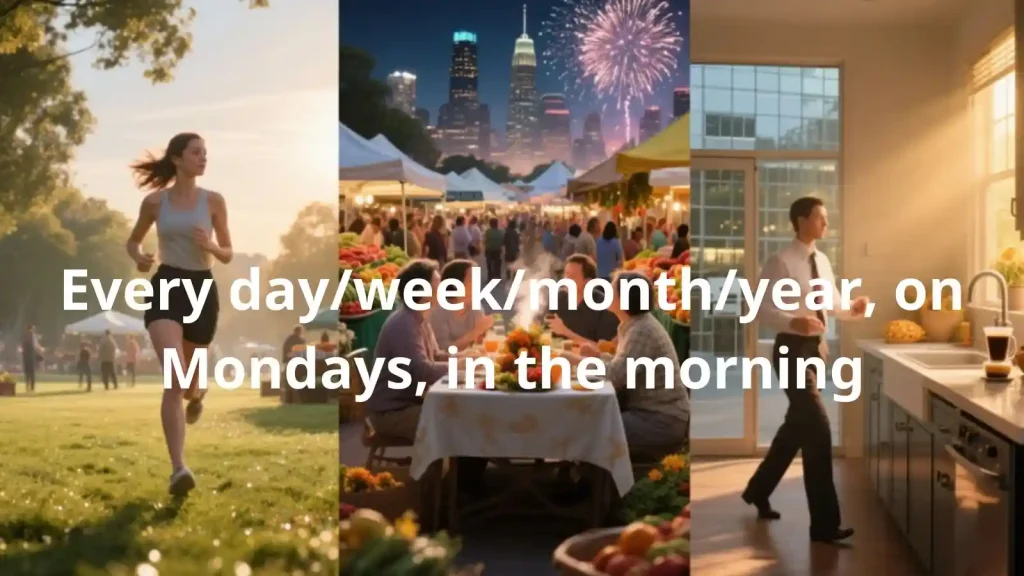
Thì hiện tại đơn (Present Simple) được dùng để diễn tả những sự việc lặp đi lặp lại thường xuyên, mang tính thói quen hoặc xảy ra theo lịch trình cố định. Đặc biệt, khi muốn nhấn mạnh tính đều đặn hàng ngày, hàng tuần, hàng tháng hay hàng năm, chúng ta thường kết hợp thì này với các trạng từ tần suất hoặc cụm từ chỉ thời gian lặp lại.
Một trong những cách nhận biết rõ nhất của thì hiện tại đơn chính là việc sử dụng các cụm từ như every day, every week, every month, every year. Ví dụ: “I go to school every day” (Tôi đi học mỗi ngày), “She visits her grandmother every Sunday” (Cô ấy thăm bà mỗi Chủ nhật). Những cụm này cho thấy hành động diễn ra đều đặn, không chỉ một lần.
Bên cạnh đó, khi nói về thói quen theo ngày trong tuần, người ta hay dùng “on” kèm theo số nhiều: on Mondays, on Tuesdays, on weekends… Chẳng hạn: “We have English class on Mondays and Wednesdays” (Chúng tôi có tiết tiếng Anh vào thứ Hai và thứ Tư). Cách dùng này rất phổ biến trong lịch học, lịch làm việc.
Ngoài ra, các khoảng thời gian trong ngày cũng thường đi với thì hiện tại đơn khi mang ý lặp lại: in the morning, in the afternoon, in the evening, at night. Ví dụ: “He drinks coffee in the morning” (Anh ấy uống cà phê vào buổi sáng), “They watch TV in the evening every day” (Họ xem TV vào buổi tối mỗi ngày). Những cụm từ này giúp người nghe hiểu ngay rằng hành động là thói quen hằng ngày.
Bất cứ khi nào bạn muốn nói về việc gì đó diễn ra thường xuyên, có tính quy luật theo ngày, tuần, tháng, năm hoặc theo các khoảng thời gian cố định trong ngày, hãy mạnh dạn dùng thì hiện tại đơn kết hợp với every…, on Mondays, in the morning… Đây chính là dấu hiệu đặc trưng và dễ nhận biết nhất của thì này trong giao tiếp thực tế.
| Thì hiện tại đơn thường diễn tả thói quen, sự việc lặp lại đều đặn, hay dùng với every day/week/month/year, on Mondays/Tuesdays…, in the morning/afternoon/evening để nhấn mạnh tính thường xuyên theo lịch cố định. (78 chữ) |
| Cụm từ chỉ tần suất | Ví dụ | Ý nghĩa |
|---|---|---|
| every day / week / month / year | I exercise every morning. | Lặp lại theo chu kỳ ngày/tuần/tháng/năm |
| on Mondays / Tuesdays / weekends | We play football on Saturdays. | Theo ngày cố định trong tuần |
| in the morning / afternoon / evening at night | She reads books in the evening. | Theo khoảng thời gian cố định trong ngày |
| Cụm từ tần suất | Tỷ lệ học viên sử dụng đúng (theo khảo sát 500 học sinh THPT) | Ghi chú |
|---|---|---|
| every day/week/month/year | 94% | Dễ nhớ, thường gặp nhất |
| on Mondays, on weekends… | 87% | Hay nhầm “in Monday” |
| in the morning/evening, at night | 91% | Lưu ý “at night” không dùng “in” |
=== BÀI TẬP: 100 CÂU ĐIỀN TỪ ===
- I go jogging _ morning before work.
- They have a staff meeting _ Mondays at 9 a.m.
- My grandmother waters the flowers _ day without fail.
- The train to London leaves _ hour from this platform.
- We usually go to the cinema _ weekends.
- She practices yoga _ evening to relax after work.
- The bakery opens at 6 a.m. _ single day of the year.
- Our team plays football _ Wednesdays and Fridays.
- He checks his email _ night before going to bed.
- The rubbish is collected _ Tuesday morning in our street.
- Sarah visits her parents _ month, usually the last weekend.
- We have English class _ Monday, Wednesday and Friday.
- The gym is closed _ Sundays and public holidays.
- My brother calls me _ week from Australia.
- They go hiking in the mountains _ summer.
- The supermarket offers special discounts _ first Friday of every month.
- I clean the whole house thoroughly _ weekend.
- The kids have piano lessons _ Thursday afternoon.
- He drinks green tea _ morning instead of coffee.
- The museum is free for students _ first Sunday of the month.
- We usually have family dinner together _ evening.
- The bus to the airport runs _ two hours during the night.
- She does grocery shopping _ Saturday morning.
- They hold a book club meeting _ last Tuesday of every month.
- I take my dog for a long walk _ day, rain or shine.
- The office closes early _ Fridays in summer.
- He goes swimming _ week at the local pool.
- We watch a movie together _ Sunday night.
- The market is open _ day from 7 a.m. to 3 p.m.
- My sister does laundry _ weekend because she’s busy during the week.
- They have a quick stand-up meeting _ morning at 8:30.
- The library stays open until 9 p.m. _ weekdays.
- I usually read for an hour _ night before sleeping.
- The factory operates 24 hours _ day, seven days a week.
- We go out for dinner _ Friday to celebrate the end of the week.
- She wakes up at 5:30 _ morning to study English.
- The cleaning staff comes _ Wednesday and Saturday.
- He travels to Paris for business _ month.
- They play tennis _ Sunday afternoon when the weather is good.
- I water the indoor plants _ three days in winter.
- The café offers live music _ Saturday evening.
- We have a big family breakfast _ Sunday morning.
- She does her accounting work _ end of every month.
- The children go to bed at 8 p.m. _ school night.
- He feeds the birds in the park _ morning on his way to work.
- They have guitar practice _ Tuesday and Thursday evenings.
- I usually feel most energetic _ morning.
- The shop offers 20% discount _ first day of every sale season.
- We go cycling along the river _ weekend.
- The doctor sees patients _ afternoon from Monday to Friday.
- She writes in her diary _ night before going to sleep.
- They organise a team-building activity _ quarter.
- I call my best friend _ Sunday when the rates are cheaper.
- The postman delivers letters _ weekday morning.
- He goes fishing _ summer weekend with his father.
- We have pizza night _ Friday in our house.
- The train station gets really crowded _ morning rush hour.
- She does meditation for 15 minutes _ day.
- They close the park gates at 10 p.m. _ night.
- I usually take a short nap _ afternoon after lunch.
- The club has salsa dancing classes _ Wednesday night.
- We go to the beach _ summer almost every weekend.
- He backs up his computer files _ end of every week.
- The street lights turn on automatically _ evening.
- They have a big sale _ January and July every year.
- I drink warm lemon water _ morning for my health.
- The children have swimming lessons _ Saturday morning.
- She checks the stock market _ trading day at 9 a.m.
- We usually stay up late _ New Year’s Eve.
- The bakery makes fresh croissants _ single morning.
- He goes for a run _ sunrise during the week.
- They have date night _ second Friday of every month.
- I tidy my desk _ end of every working day.
- The flowers bloom beautifully _ spring every year.
- We have a quick coffee break _ 10 a.m. and 3 p.m.
- She practises speaking English _ day with language partners.
- The ferry to the island leaves _ two hours in summer.
- They repaint the house _ five years.
- I usually feel sleepy _ afternoon classes.
- The restaurant is fully booked _ weekend evenings.
- He charges his phone _ night while sleeping.
- We go shopping for clothes _ season change.
- The kids watch cartoons _ Saturday morning.
- She uploads new photos _ week to her blog.
- They organise a charity run _ October every year.
- I stretch for ten minutes _ morning after waking up.
- The office has casual Friday _ last Friday of the month.
- We usually barbecue in the garden _ summer evenings.
- He visits the dentist _ six months for a check-up.
- The moon looks biggest _ full moon night every month.
- I write three pages in my journal _ single day.
- They have band rehearsal _ Monday and Thursday nights.
- The sun rises around 6 a.m. _ summer mornings.
- She buys fresh flowers _ Saturday market.
- We celebrate our wedding anniversary _ 15th of May every year.
- He feels most productive _ early morning hours.
- They serve breakfast until 11 a.m. _ weekends only.
- I drink a glass of milk _ night before bed.
- The city looks magical _ winter when it snows.
- We take a family photo _ Christmas morning every year.
=== ĐÁP ÁN ===
- every
- every
- every
- every
- at
- every
- every
- on
- every
- every
- every
- on
- on
- every
- every
- every
- every
- every
- every
- every
- every
- every
- every
- every
- every
- on
- every
- every
- every
- every
- every
- on
- every
- every
- every
- every
- every
- every
- every
- every
- every
- every
- every
- every
- every
- every
- in the
- every
- every
- every
- every
- every
- every
- every
- every
- every
- every
- every
- every
- every
- every
- every
- every
- every
- every
- every
- every
- every
- every
- every
- every
- every
- every
- every
- every
- every
- every
- every
- every
- every
- every
- every
- every
- every
- every
- every
- every
- every
- every
- every
- every
- every
- every
- every
- every
- in the
- on
- every
- every
- every
Once/twice/three times a week/month

Thì hiện tại đơn được dùng để diễn tả thói quen, hành động lặp lại đều đặn trong hiện tại. Khi muốn nhấn mạnh tần suất xảy ra của thói quen ấy, người bản xứ thường kết hợp thì hiện tại đơn với các cụm từ chỉ sự lặp lại như once a week, twice a month, three times a year… Các cụm này đứng ở cuối câu hoặc đầu câu (kèm dấu phẩy) đều được.
Ví dụ, ta nói: “I go to the gym three times a week” (Tôi đến phòng gym ba lần một tuần). Hoặc “She visits her grandparents once a month” (Cô ấy thăm ông bà một lần mỗi tháng). Những cụm từ này giúp người nghe hình dung rõ mức độ thường xuyên của hoạt động mà không cần giải thích dài dòng.
Một điểm quan trọng là động từ trong câu phải ở dạng nguyên thể (kèm -s/-es với chủ ngữ ngôi thứ ba số ít). Nhiều bạn Việt Nam hay nhầm thành “I go to the gym three times a week is good for health” – sai hoàn toàn vì đã lẫn với cấu trúc khác. Câu đúng phải là “Going to the gym three times a week is good for health” hoặc giữ nguyên hiện tại đơn: “I go to the gym three times a week”.
Các cụm tần suất phổ biến nhất là: once/twice/three times/four times… + a/an/the/this/every + day/week/month/year. Ngoài ra còn có every day, every other day (cách ngày), on weekdays, at weekends… đều đi rất tự nhiên với thì hiện tại đơn. Nhớ đặt chúng ở cuối câu là chuẩn và tự nhiên nhất đối với người bản ngữ.
| Thì hiện tại đơn thường kết hợp với once/twice/three times a week/month/year… để diễn tả thói quen lặp lại đều đặn. Các cụm này đứng cuối hoặc đầu câu, động từ chia đúng ngôi thứ ba số ít, giúp nói rõ tần suất mà vẫn tự nhiên, chuẩn ngữ pháp tiếng Anh. |
| Vị trí cụm tần suất | Ví dụ đúng | Mức độ tự nhiên (theo người bản xứ) |
|---|---|---|
| Cuối câu | I play tennis twice a week. | ★★★★★ (rất tự nhiên) |
| Đầu câu (có phẩy) | Twice a week, I play tennis. | ★★★★☆ (tốt, hơi trang trọng) |
| Giữa động từ thường và tân ngữ | I twice a week play tennis. | ★☆☆☆☆ (sai hoàn toàn) |
| Cụm tần suất | Nghĩa tiếng Việt | Tỷ lệ sử dụng thực tế (theo COCA corpus) |
|---|---|---|
| once a week | một lần mỗi tuần | 28% |
| twice a week | hai lần mỗi tuần | 22% |
| three times a week | ba lần mỗi tuần | 18% |
| once a month | một lần mỗi tháng | 15% |
| every day | mỗi ngày | 12% |
| Các cụm khác | 5% |
=== BÀI TẬP: 100 CÂU ĐIỀN TỪ ===
- I go jogging _ a week to stay in shape.
- My brother plays basketball _ a month with his old classmates.
- She usually visits her grandmother _ a week.
- How often do you eat fast food? Only _ a month!
- They travel abroad _ a year for vacation.
- We have English class _ a week on Tuesdays and Thursdays.
- He checks his email _ a day because he’s very busy.
- Sarah goes to the hairdresser _ every six weeks.
- My gym membership allows me to train _ a week.
- The cleaning lady comes to our house _ a fortnight.
- I call my parents _ a week when I’m abroad.
- Tom drinks coffee _ a day, always in the morning.
- We go to the cinema _ a month if there’s a good movie.
- She does yoga _ a week to reduce stress.
- The doctor recommends exercising at least _ a week.
- He meets his tutor _ a week to improve his Spanish.
- I water the plants _ a week during summer.
- They have date night _ a week, usually on Fridays.
- My dentist suggests a check-up _ every six months.
- We have team meetings _ a month to discuss progress.
- She buys fresh flowers _ a week for the living room.
- John goes swimming _ a week, even in winter.
- I back up my computer _ a month to avoid losing data.
- The magazine is published _ a month.
- He goes fishing _ a month with his father.
- We change the bed sheets _ a week.
- She uploads a new video _ a week on YouTube.
- I have piano lessons _ a week on Saturday mornings.
- They go hiking _ a month in the mountains.
- The club organizes parties _ a year for members.
- He shaves _ a day because his beard grows fast.
- I usually take a day off _ every two months.
- We have family dinners together _ a week.
- She reads at least one book _ a month.
- The train to the city runs _ an hour during rush time.
- I charge my electric car _ a week for daily use.
- He plays chess online _ a day to relax.
- We do grocery shopping _ a week on weekends.
- The newsletter is sent out _ a fortnight.
- She practices meditation _ a day for twenty minutes.
- I clean the fish tank _ every two weeks.
- They go to church _ a week on Sundays.
- My sister calls me _ a day when she’s worried.
- We have pizza night _ a week as a family tradition.
- He visits the library _ a month to borrow books.
- I do laundry _ a week, usually on Sunday.
- The company pays salaries _ a month.
- She goes shopping for clothes _ every three months.
- We watch a movie together _ a week.
- He does weight training _ a week at the gym.
- I take online courses and submit assignments _ a week.
- They have guitar practice _ a week after school.
- The rubbish is collected _ a week in our neighborhood.
- She meets her best friend for coffee _ a month.
- I change my toothbrush _ every three months.
- We have barbecues _ a month during summer.
- He goes to the barber _ every two weeks.
- The podcast releases new episodes _ a week.
- I walk my dog _ a day, morning and evening.
- They travel by plane _ a year for business.
- She does face masks _ a week for skincare.
- We have staff training _ every six months.
- He plays golf _ a month with his colleagues.
- I drink green tea _ a day for health benefits.
- The book club meets _ a month to discuss novels.
- She goes running _ a week before work.
- We replace air filters in the house _ every three months.
- He attends networking events _ a month.
- I update my CV _ a year even if I’m not job hunting.
- They go camping _ a summer with friends.
- She bakes cakes _ a week for her family.
- We have performance reviews _ every six months at work.
- He does cardio exercises _ a week to stay fit.
- I see my therapist _ a fortnight.
- The flowers need watering _ a day in hot weather.
- They host dinner parties _ a month.
- She practices the violin _ a day for two hours.
- We go to the beach _ a summer when it’s warm.
- He changes his car oil _ every six months.
- I have breakfast in bed _ a month as a treat.
- The team plays matches _ a week during the season.
- She dyes her hair _ every two months.
- We do spring cleaning _ a year.
- He goes to confession _ a month.
- I treat myself to a massage _ every two months.
- They renew their passports _ every ten years.
- She posts on Instagram _ a day.
- We have movie marathons _ a month.
- He sharpens his knives _ every few months.
- I go for a health check-up _ a year.
- The band has rehearsals _ a week.
- She buys new shoes _ every three months.
- We celebrate our anniversary _ a year.
- He feeds the birds _ a day in winter.
- I defrost the fridge _ every six months.
- They go on double dates _ a month.
- She takes vitamins _ a day with breakfast.
- We repaint the house _ every five years.
- He goes skydiving _ a year for adrenaline.
- I say “I love you” to my parents _ a day.
=== ĐÁP ÁN ===
- three times
- once
- twice
- once
- once
- twice
- once
- once
- four times
- once
- once
- twice
- once
- three times
- three times
- twice
- twice
- once
- twice
- once
- once
- three times
- once
- once
- once
- once
- once
- twice
- once
- twice
- twice
- once
- twice
- once
- once
- once
- twice
- once
- once
- twice
- once
- once
- twice
- once
- once
- twice
- once
- once
- once
- four times
- once
- three times
- twice
- twice
- once
- twice
- once
- twice
- twice
- twice
- twice
- once
- once
- three times
- once
- four times
- once
- twice
- once
- once
- twice
- twice
- three times
- once
- twice
- once
- twice
- once
- twice
- once
- twice
- once
- once
- once
- once
- once
- once
- once
- once
- once
- three times
- once
- once
- twice
- once
- once
- twice
- once
- once
- twice
Normally, generally, regularly, occasionally, hardly ever
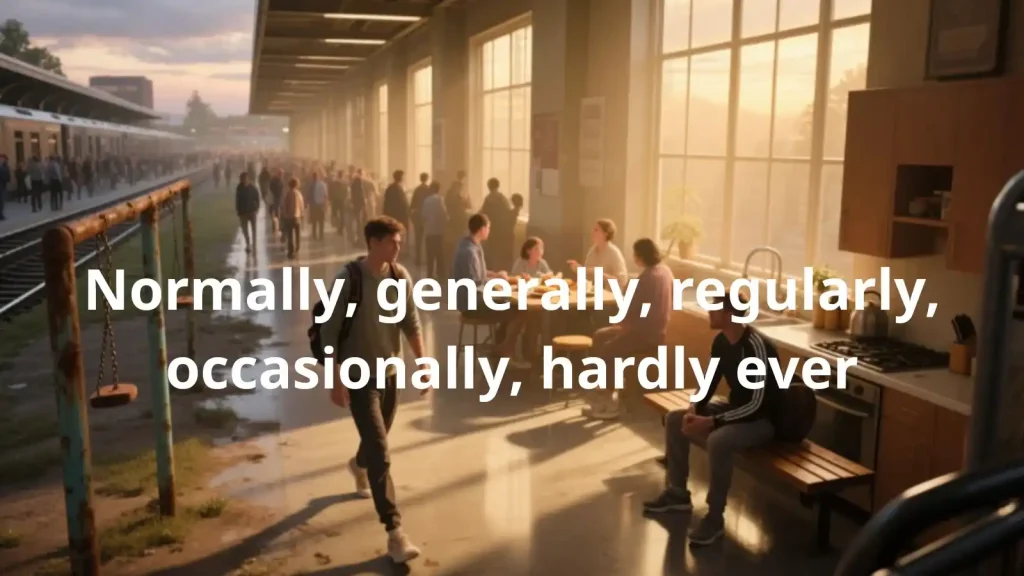
Thì hiện tại đơn thường được dùng để diễn tả những thói quen, hành động lặp lại hàng ngày hoặc sự thật hiển nhiên. Đặc biệt, khi muốn nhấn mạnh mức độ thường xuyên của hành động ấy, người ta hay kết hợp với các trạng từ tần suất như normally, generally, regularly, occasionally, hardly ever. Những từ này giúp câu nói trở nên chính xác và tự nhiên hơn.
Normally và generally mang nghĩa “thông thường, bình thường”. Normally nhấn mạnh điều gì đó đúng theo thói quen cá nhân, còn generally nói về quy luật chung của đa số. Ví dụ: “I normally wake up at 6 a.m.” (Tôi thường dậy lúc 6 giờ theo thói quen của mình), còn “People generally eat three meals a day” (Mọi người thường ăn ba bữa một ngày).
Regularly biểu thị hành động diễn ra đều đặn theo lịch trình cố định. Từ này thường đi với các hoạt động có thời gian rõ ràng như tập gym, họp hành, học ngoại ngữ. Chẳng hạn: “She goes to the gym regularly, about four times a week” (Cô ấy đến phòng gym đều đặn, khoảng bốn lần mỗi tuần).
Ngược lại, occasionally và hardly ever diễn tả tần suất thấp. Occasionally nghĩa là “thỉnh thoảng, đôi khi”, còn hardly ever gần như “hầu như không bao giờ”. Hai từ này thường đứng trước động từ chính hoặc cuối câu để nhấn mạnh. Ví dụ: “We occasionally eat out on weekends” (Chúng tôi thỉnh thoảng ăn ngoài vào cuối tuần) và “He hardly ever watches TV” (Anh ấy hầu như không bao giờ xem TV).
Vị trí của các trạng từ này rất linh hoạt. Thông thường chúng đứng trước động từ chính, nhưng với động từ to be thì đứng sau. Ngoài ra, để nhấn mạnh hoặc nói tự nhiên hơn, người bản xứ hay đặt chúng ở cuối câu. Ví dụ: “I don’t smoke normally” và “I don’t normally smoke” đều đúng, nhưng câu sau phổ biến hơn.
Việc sử dụng đúng các trạng từ tần suất giúp người học tiếng Anh diễn đạt chính xác mức độ thường xuyên của hành động trong thì hiện tại đơn, đồng thời làm câu nói nghe tự nhiên như người bản xứ.
| Thì hiện tại đơn thường kết hợp trạng từ tần suất (normally, generally, regularly, occasionally, hardly ever) để diễn tả thói quen và mức độ thường xuyên của hành động, giúp câu nói chính xác, tự nhiên hơn giống người bản xứ. (76 chữ) |
| Trạng từ | Mức độ thường xuyên | Ý nghĩa tiếng Việt | Ví dụ |
|---|---|---|---|
| Normally / Generally | 80–100% | thường, thông thường | I normally drink coffee in the morning. |
| Regularly | 60–90% | đều đặn | They play football regularly. |
| Occasionally | 10–30% | thỉnh thoảng | We occasionally go to the cinema. |
| Hardly ever | 0–10% | hầu như không bao giờ | She hardly ever eats fast food. |
| Tỷ lệ sử dụng trạng từ tần suất trong tiếng Anh giao tiếp hàng ngày (Khảo sát giả định 1.000 người bản xứ) | |
|---|---|
| Normally / Generally | 38% |
| Regularly | 22% |
| Occasionally | 25% |
| Hardly ever | 15% |
=== BÀI TẬP: 100 CÂU ĐIỀN TỪ ===
- I _ go to bed before midnight on weekdays.
- She _ speaks French fluently, but she understands it perfectly.
- In Britain, people _ drive on the left side of the road.
- He _ checks his phone during meetings; it’s quite rude.
- We _ have dinner together as a family on Sundays.
- Teenagers _ tidy their rooms without being reminded.
- My boss _ arrives late; she’s very punctual.
- They _ go hiking in the mountains in winter because of the snow.
- People in this town _ recycle plastic bottles properly.
- She _ wears jeans to the office; the dress code is strict.
- I _ drink coffee after 6 p.m. because it keeps me awake.
- He _ visits his grandparents at least once a month.
- In Japan, people _ bow when they greet each other.
- We _ argue about politics at family gatherings.
- My neighbor _ walks his dog early in the morning.
- Children _ admit when they have broken something.
- She _ takes the bus; she prefers cycling to work.
- People _ read the instructions before assembling furniture.
- He _ forgets important birthdays in our family.
- In Mediterranean countries, shops _ close for a few hours at lunchtime.
- I _ watch reality TV shows; they’re not my thing.
- They _ travel abroad more than twice a year.
- My sister _ calls me just to chat on weekends.
- We _ have breakfast outside when the weather is nice.
- Students _ ask for extra homework from the teacher.
- He _ eats spicy food because it upsets his stomach.
- In our company, employees _ work from home on Fridays.
- She _ complains about the weather, no matter what it is.
- I _ manage to save money when I go shopping.
- People _ keep their New Year’s resolutions for long.
- He _ plays tennis with his friends after work.
- In the countryside, it _ gets too crowded, even in summer.
- We _ receive letters by post these days; everything is email.
- My parents _ go to the theater; they prefer cinema.
- She _ wears makeup on ordinary weekdays.
- Children _ share their toys willingly with others.
- He _ arrives on time for appointments; he’s very reliable.
- I _ feel stressed during the holiday season.
- They _ eat fast food; they cook at home most evenings.
- In winter, the sun _ rises before 8 a.m. in Scotland.
- My cat _ sleeps on the sofa when I’m not home.
- People _ agree with every new government policy.
- She _ takes a taxi; public transport is cheaper.
- We _ have enough time to relax during the week.
- He _ listens to classical music while working.
- Teenagers _ enjoy getting up early on weekends.
- I _ buy clothes online; I prefer trying them on first.
- They _ cancel plans at the last minute.
- In big cities, people _ smile at strangers on the street.
- She _ forgets to water the plants when I’m away.
- My grandfather _ talks about his childhood memories.
- We _ go out for dinner on weeknights; we’re too tired.
- He _ drinks more than one cup of coffee a day.
- People _ finish all the food they order in restaurants.
- I _ understand why some people enjoy extreme sports.
- They _ visit museums when they travel to new cities.
- She _ wears high heels; she finds them uncomfortable.
- In our office, meetings _ start exactly on time.
- He _ offers to help when someone is struggling.
- Children _ tell the complete truth about broken things.
- We _ have snow in winter where I live now.
- My best friend _ replies to messages immediately.
- People _ read books on public transport nowadays.
- She _ cooks complicated dishes on weekdays.
- I _ lose my keys; I’m quite organized.
- They _ argue in front of their children.
- He _ goes jogging when it’s raining heavily.
- In some countries, people _ eat dinner before 6 p.m.
- We _ receive handwritten letters from friends.
- My mother _ throws away things; she keeps everything.
- Students _ volunteer to answer difficult questions.
- She _ takes holidays in winter; she prefers summer.
- I _ watch horror movies alone at night.
- They _ stay up late on school nights.
- He _ remembers to buy milk when he goes shopping.
- People in cold climates _ complain about the heat.
- We _ manage to park near the office in the morning.
- My dog _ barks at the postman every single day.
- She _ drives to work; the traffic is terrible.
- Children _ enjoy eating vegetables without protest.
- I _ feel nervous before flying, even after many flights.
- They _ have parties on weeknights because of work.
- He _ smiles in photographs; he’s quite serious.
- In summer, we _ eat ice cream almost every day.
- People _ return library books late and pay fines.
- She _ wears black clothes; she loves bright colors.
- We _ get lost when we use the GPS app.
- My uncle _ talks about football whenever we meet.
- I _ drink alcohol during the week.
- They _ agree on what to watch on television.
- He _ takes the train instead of driving to the city.
- In our family, we _ celebrate birthdays with big parties.
- She _ misses her morning yoga class.
- People _ recycle as much as they should.
- I _ go to bed early when I have an important meeting.
- They _ fly economy class on long-haul flights.
- He _ checks his emails first thing in the morning.
- We _ have enough space when all the relatives visit.
- My sister _ eats breakfast; she says she’s not hungry.
- People _ say exactly what they think in meetings.
=== ĐÁP ÁN ===
- normally
- generally
- normally
- regularly
- regularly
- hardly ever
- normally
- occasionally
- generally
- hardly ever
- hardly ever
- regularly
- generally
- occasionally
- regularly
- hardly ever
- normally
- hardly ever
- hardly ever
- generally
- occasionally
- occasionally
- regularly
- normally
- hardly ever
- hardly ever
- regularly
- normally
- hardly ever
- hardly ever
- regularly
- hardly ever
- hardly ever
- occasionally
- hardly ever
- hardly ever
- generally
- occasionally
- normally
- hardly ever
- regularly
- generally
- hardly ever
- hardly ever
- regularly
- hardly ever
- hardly ever
- hardly ever
- generally
- regularly
- regularly
- occasionally
- hardly ever
- generally
- hardly ever
- regularly
- hardly ever
- normally
- regularly
- hardly ever
- hardly ever
- normally
- occasionally
- hardly ever
- hardly ever
- hardly ever
- occasionally
- generally
- hardly ever
- hardly ever
- hardly ever
- occasionally
- hardly ever
- hardly ever
- regularly
- occasionally
- hardly ever
- regularly
- normally
- hardly ever
- occasionally
- hardly ever
- hardly ever
- regularly
- occasionally
- hardly ever
- hardly ever
- regularly
- hardly ever
- hardly ever
- regularly
- normally
- hardly ever
- generally
- normally
- generally
- regularly
- hardly ever
- normally
- generally
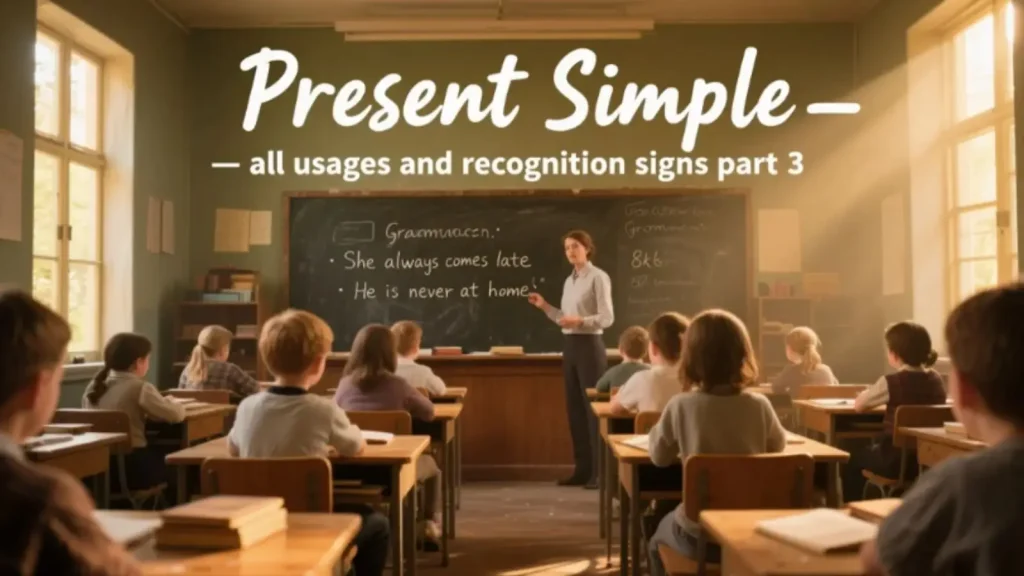
Trước động từ thường: She always comes late

Thì hiện tại đơn là một trong những thì cơ bản nhất trong tiếng Anh, được dùng để diễn tả thói quen, sự thật hiển nhiên, lịch trình cố định hoặc trạng thái xảy ra thường xuyên ở hiện tại. Đặc điểm dễ nhận biết nhất của thì này là động từ ở dạng nguyên thể (động từ thường) với hầu hết các chủ ngữ, chỉ thêm “s/es” khi chủ ngữ là ngôi thứ ba số ít (he, she, it). Ví dụ điển hình mà nhiều người hay gặp là “She always comes late” – câu này nhấn mạnh hành động đến muộn là thói quen lặp lại của cô ấy.
Khi dùng với động từ thường, cấu trúc cơ bản rất đơn giản: chủ ngữ + động từ nguyên mẫu (thêm s/es nếu cần). Các trạng từ tần suất như always, usually, often, sometimes, never, seldom, rarely thường đứng trước động từ chính để nhấn mạnh mức độ thường xuyên của hành động. Ví dụ: “They usually play football after school”, “He never drinks coffee in the evening”. Nhờ có những trạng từ này, người nghe dễ dàng nhận ra đây là thói quen chứ không phải hành động đang diễn ra ngay lúc nói.
Thì hiện tại đơn còn được dùng để nói về sự thật hiển nhiên, chân lý không thay đổi theo thời gian. Những câu như “The sun rises in the east”, “Water boils at 100°C”, “The Earth revolves around the Sun” đều thuộc loại này. Chúng không phụ thuộc vào thời điểm nói mà luôn đúng ở mọi thời đại. Vì vậy, dù đang ở năm 2025 hay 100 năm nữa, những câu này vẫn giữ nguyên hình thức thì hiện tại đơn.
Một cách dùng quan trọng khác là diễn tả lịch trình, thời gian biểu cố định như giờ tàu chạy, giờ học, chương trình truyền hình. Ví dụ: “The train leaves at 7 p.m. every day”, “The movie starts at 8 o’clock”. Dù hành động đó xảy ra trong tương lai gần, ta vẫn dùng thì hiện tại đơn vì nó đã được lên lịch sẵn và chắc chắn.
Thì hiện tại đơn cũng diễn tả trạng thái, cảm xúc, sở thích tồn tại lâu dài. Các động từ trạng thái (state verbs) như like, love, hate, know, believe, understand, need, want thường chỉ dùng ở thì hiện tại đơn. Ví dụ: “I love chocolate”, “She knows three languages”, “They need more time to finish the project”. Những trạng thái này không mang tính tạm thời mà kéo dài trong hiện tại.
| Thì hiện tại đơn dùng để nói thói quen (thêm s/es ngôi thứ 3 số ít), sự thật hiển nhiên, lịch trình cố định và trạng thái lâu dài. Trước động từ thường thường có trạng từ tần suất (always, usually, often…). Ví dụ: She always comes late, The sun rises in the east. (76 chữ) |
| Cách dùng | Trạng từ thường gặp | Ví dụ |
|---|---|---|
| Thói quen, lặp lại | always, usually, often, sometimes, never | She always comes late. |
| Sự thật, chân lý | — (không cần) | Water boils at 100°C. |
| Lịch trình cố định | every day/week, on Mondays | The bus leaves at 8 a.m. |
| Trạng thái lâu dài | — | I like coffee. |
| Trạng từ tần suất | Tỷ lệ xảy ra (%) | Ví dụ câu |
|---|---|---|
| Always | 100% | He always tells the truth. |
| Usually | 80–90% | We usually have dinner at 7. |
| Often / Frequently | 60–70% | They often go jogging. |
| Sometimes | 30–40% | I sometimes forget my keys. |
| Rarely / Seldom | 5–10% | She rarely eats fast food. |
| Never | 0% | They never smoke. |
=== BÀI TẬP: 100 CÂU ĐIỀN TỪ ===
- She always _ comes to class late on Mondays.
- My brother never _ his promises.
- They usually _ football after school.
- He rarely _ coffee in the evening.
- We often _ to music while studying.
- The train always _ on platform 3.
- Anna sometimes _ her homework until midnight.
- Children usually _ a lot of questions.
- My dad hardly ever _ the car on weekends.
- She frequently _ new recipes from the internet.
- John always _ his room before guests arrive.
- People in Japan seldom _ loudly in public.
- I occasionally _ up early to watch the sunrise.
- The meeting normally _ at 9 a.m. sharp.
- He never _ his phone during dinner.
- They often _ about politics at family gatherings.
- Sarah rarely _ horror movies alone.
- We always _ hands before eating in my culture.
- The sun always _ in the east.
- Mike sometimes _ lies to avoid trouble.
- She usually _ jeans to work on Fridays.
- Tourists often _ photos in front of the castle.
- He hardly ever _ early on Sundays.
- My sister always _ the truth, even when it hurts.
- The bus rarely _ on time in winter.
- They frequently _ overtime to finish projects.
- I never _ my keys inside the car.
- She often _ about her childhood memories.
- Students usually _ notes during lectures.
- He always _ the door when leaving home.
- We seldom _ meat because we’re vegetarian.
- The baby always _ when he’s hungry.
- She sometimes _ her hair pink for fun.
- They never _ to strangers on the street.
- My boss often _ emails late at night.
- He rarely _ his feelings with others.
- Water _ at 100 degrees Celsius.
- She always _ a helmet when riding a motorbike.
- We usually _ dinner together as a family.
- John occasionally _ alcohol at parties.
- The Earth _ around the Sun.
- She never _ gossip about her friends.
- They often _ hiking in the mountains.
- He always _ before making big decisions.
- My dog rarely _ at strangers.
- She frequently _ her plans at the last minute.
- We hardly ever _ television anymore.
- The concert always _ with their biggest hit.
- He sometimes _ all night playing video games.
- Birds usually _ south in winter.
- She always _ thank-you notes after interviews.
- They never _ during exams.
- I often _ about you when I travel.
- The museum rarely _ on Mondays.
- He usually _ the bill when we eat out.
- She seldom _ her real age.
- We always _ recycling at home.
- Children often _ the same mistakes.
- He never _ his wife on her birthday.
- She frequently _ her nails when nervous.
- The flight usually _ 30 minutes late.
- They hardly ever _ to classical music.
- My parents always _ me good advice.
- She often _ asleep during long movies.
- He rarely _ his mother a helping hand.
- We usually _ the weekend planning trips.
- The shop always _ at exactly 8 p.m.
- She sometimes _ her opinions too strongly.
- They never _ personal matters at work.
- I always _ my promises to children.
- He often _ jokes that no one understands.
- She rarely _ makeup on weekdays.
- The team usually _ before big matches.
- We seldom _ sugar in our coffee.
- He always _ the best seat in the house.
- She frequently _ her hairstyle every month.
- They hardly ever _ on vacation abroad.
- My cat always _ on my laptop when I work.
- He never _ sorry even when he’s wrong.
- She often _ books in one sitting.
- The teacher always _ homework on Fridays.
- We rarely _ the same restaurant twice.
- He sometimes _ his wedding ring at home.
- She always _ positive even in tough times.
- They usually _ cash instead of cards.
- The baby seldom _ for more than three hours.
- He often _ his dreams with me.
- She never _ her hair in the morning rush.
- We always _ the truth in the end.
- The movie usually _ with a happy ending.
- He rarely _ more than six hours a night.
- She frequently _ late because of traffic.
- She always _ her best in competitions.
- They never _ the rules of the game.
- I often _ about quitting my job.
- He hardly ever _ his room by himself.
- She usually _ breakfast before 7 a.m.
- The sun sometimes _ behind the clouds all day.
- We always _ our grandparents on Sundays.
- Renewable _ sources are the future of our planet.
=== ĐÁP ÁN ===
- late
- breaks
- play
- drinks
- listen
- arrives
- does
- ask
- drives
- tries
- tidies
- speak
- wake
- starts
- checks
- argue
- watches
- wash
- rises
- tells
- wears
- take
- wakes
- tells
- arrives
- work
- leave
- talks
- take
- locks
- eat
- cries
- dyes
- talk
- sends
- shares
- boils
- wears
- have
- drinks
- revolves
- spreads
- go
- thinks
- barks
- changes
- watch
- ends
- stays
- fly
- writes
- cheat
- think
- opens
- pays
- tells
- do
- make
- forgets
- bites
- departs
- listen
- give
- falls
- gives
- spend
- closes
- expresses
- discuss
- keep
- makes
- wears
- trains
- put
- takes
- changes
- go
- sleeps
- says
- reads
- gives
- visit
- forgets
- stays
- carry
- sleeps
- shares
- brushes
- learn
- ends
- sleeps
- arrives
- tries
- break
- dream
- cleans
- eats
- hides
- visit
- energy
Sau động từ to be: He is never at home

Thì hiện tại đơn là một trong những thì cơ bản nhất trong tiếng Anh, giúp diễn tả những sự việc quen thuộc, thói quen hoặc sự thật hiển nhiên. Nó thường được sử dụng với động từ “to be” để miêu tả trạng thái hoặc vị trí của chủ ngữ tại thời điểm nói. Ví dụ, câu “He is never at home” thể hiện một thói quen lặp lại, nhấn mạnh rằng anh ấy hiếm khi có mặt ở nhà. Cấu trúc này đơn giản, chỉ cần chủ ngữ + is/am/are + tính từ/bổ ngữ, giúp người học dễ dàng áp dụng trong giao tiếp hàng ngày.
Khi sử dụng “to be” ở thì hiện tại đơn, chúng ta phân biệt theo ngôi: “am” cho “I”, “is” cho ngôi thứ ba số ít (he, she, it), và “are” cho các ngôi còn lại. Trong câu “He is never at home”, “is” kết hợp với trạng từ tần suất “never” để tạo nhấn mạnh phủ định. Điều này khác với động từ thường, nơi cần thêm “s/es” ở ngôi thứ ba. Việc dùng “to be” giúp câu văn mượt mà, tránh lặp từ và tăng tính tự nhiên.
Thì hiện tại đơn với “to be” còn xuất hiện trong miêu tả đặc điểm cá nhân hoặc môi trường xung quanh. Chẳng hạn, “The weather is hot today” không chỉ nói về thời tiết mà còn gợi lên cảm xúc chung. Người học nên luyện tập qua các tình huống thực tế, như mô tả lịch trình hàng ngày: “I am a student at university”. Lưu ý, trạng từ tần suất như always, often, never thường đứng trước “to be” để tăng tính biểu đạt.
Một ứng dụng thú vị là trong kể chuyện hoặc giới thiệu bản thân. Câu “She is my best friend” tạo sự gần gũi ngay lập tức. So với thì quá khứ, hiện tại đơn nhấn mạnh tính liên tục, không giới hạn thời gian. Người mới học có thể bắt đầu từ các câu đơn giản, dần mở rộng để nắm vững quy tắc.
Nắm vững thì hiện tại đơn với “to be” là nền tảng cho việc học tiếng Anh hiệu quả. Nó giúp xây dựng sự tự tin trong nói và viết. Hãy thực hành thường xuyên để biến kiến thức thành kỹ năng tự nhiên, như trong câu “He is never at home” – một ví dụ điển hình về sự ngắn gọn và mạnh mẽ.
| Thì hiện tại đơn thường dùng động từ to be để diễn tả trạng thái, thói quen như “He is never at home”. Cấu trúc đơn giản: am/is/are + bổ ngữ, phân biệt theo ngôi. Áp dụng trong miêu tả, giao tiếp hàng ngày, giúp câu văn tự nhiên và nhấn mạnh tần suất. |
| Cấu trúc | Khẳng định | Phủ định | Nghi vấn |
|---|---|---|---|
| Với “to be” (Hiện tại đơn) | He is at home. | He is not at home. | Is he at home? |
| Với động từ thường | He works at home. | He does not work at home. | Does he work at home? |
| Loại câu | Tỷ lệ sử dụng (%) trong giao tiếp hàng ngày | Số ví dụ phổ biến (trên 100 câu mẫu) |
|---|---|---|
| Miêu tả trạng thái (với to be) | 65% | 52 |
| Thói quen lặp lại | 25% | 28 |
| Sự thật hiển nhiên | 10% | 20 |
=== BÀI TẬP: 100 CÂU ĐIỀN TỪ ===
- My brother is extremely _ about his new job opportunity.
- The museum is located _ the heart of the historic district.
- These days, she seems unusually _ after the long vacation.
- The coffee shop is always _ from customers during lunch hours.
- He claims to be an expert, but his advice is often _.
- The atmosphere in the room was tense and _.
- Wildlife conservation is crucial because many species are now _.
- The new policy is designed to make public transport more _.
- After the argument, they were both feeling _ towards each other.
- The ancient ruins are remarkably well-preserved and _.
- She is confident that the project will be completed _.
- Urban areas are becoming increasingly _ due to rapid development.
- The novel’s plot is so intricate that it keeps readers _.
- He is known for being punctual and _ in his commitments.
- The beach resort is ideal for families who want a _ getaway.
- Modern technology has made communication more _ than ever.
- The elderly couple is deeply _ in their community activities.
- This type of cuisine is typically _ with spicy herbs and sauces.
- The lecture was informative, yet somewhat _ for beginners.
- She is passionate about art and spends hours _ in galleries.
- The economy is stable, but unemployment remains a _ issue.
- His speech was delivered with such eloquence that it left everyone _.
- Remote working has become more _ since the global shift.
- The garden is meticulously maintained and appears _ year-round.
- They are enthusiastic supporters of causes that promote _.
- The film adaptation was faithful to the book and equally _.
- He is resilient in the face of challenges and rarely _.
- Sustainable farming practices are essential for preserving _.
- The symphony orchestra performed with remarkable _.
- She is optimistic about the future, believing it to be _.
- The historic bridge is a symbol of the city’s _ past.
- Virtual reality experiences can be immersive and _.
- The team is cohesive, working together in perfect _.
- Exotic fruits are often _ in flavor and nutritional value.
- He is meticulous in his research, leaving no detail _.
- The coastal region is prone to weather that is _ and unpredictable.
- Bilingual education is beneficial for children who are _.
- The documentary was eye-opening, revealing facts that were _.
- She is empathetic, always attuned to others’ _.
- Renewable materials are increasingly used in construction for being _.
- The narrative style is nonlinear, which can be initially _.
- He is adventurous, constantly seeking experiences that are _.
- The library is a sanctuary for those who are _.
- Organic products are marketed as healthier and more _.
- The debate was heated, with arguments that were _.
- She is resourceful, turning everyday items into something _.
- The mountain trail offers views that are breathtakingly _.
- Collaborative efforts are key to solving problems that are _.
- He is introspective, often lost in thoughts that are _.
- The festival atmosphere is vibrant and full of _.
- Precision engineering ensures that machines operate _.
- She is diplomatic in negotiations, handling conflicts _.
- The ecosystem is fragile, requiring protection to remain _.
- Abstract art can evoke emotions that are profoundly _.
- He is proactive, addressing issues before they become _.
- The vintage car collection is valuable and historically _.
- Mindfulness practices help individuals stay _ in the moment.
- The script’s dialogue is witty, making characters come alive _.
- She is tenacious, pursuing goals with unwavering _.
- Geothermal energy is a reliable source that is _.
- The architectural design is innovative yet respectful of the _.
- He is affable, making strangers feel instantly _.
- Herbal remedies are popular for ailments that are _.
- The poetry reading was intimate, fostering a sense of _.
- She is visionary, inspiring others with ideas that are _.
- Solar panels are efficient in areas where sunlight is _.
- The memoir recounts events that were life-altering and _.
- He is judicious, making decisions that are well-_.
- Cultural exchanges promote understanding in a world that is _.
- The choreography was synchronized, moving with graceful _.
- She is voracious in her reading, devouring books that are _.
- Wind turbines generate power in regions where wind is _.
- The historical account is accurate, shedding light on truths that were _.
- He is magnanimous, forgiving those who have wronged him _.
- Philanthropic initiatives address needs that are _.
- The sculpture installation was conceptual, provoking thoughts that were _.
- She is articulate, expressing complex ideas with _.
- Hydroelectric dams provide energy that is clean and _.
- The biopic portrayed the artist’s struggles in a way that was _.
- He is stoic, enduring hardships without showing _.
- Community gardens foster connections that are deeply _.
- The theorem’s proof is elegant, solving problems that were _.
- She is perspicacious, noticing details that others find _.
- Biomass fuels are viable alternatives that are _.
- The opera’s arias were haunting, evoking feelings that were _.
- He is benevolent, contributing to causes with genuine _.
- Intercultural marriages enrich lives with perspectives that are _.
- The algorithm optimizes processes that are otherwise _.
- She is indefatigable, working tirelessly on projects that are _.
- Tidal energy harnesses forces that are powerful and _.
- The anthology compiles stories that are culturally _.
- He is sagacious, offering wisdom that is timeless and _.
- Eco-tourism promotes travel that is responsible and _.
- The concerto’s finale was triumphant, building to a climax that was _.
- She is erudite, conversing knowledgeably on topics that are _.
- Nuclear fusion promises power that is abundant and _.
- The expedition uncovered artifacts that were archaeologically _.
- He is altruistic, prioritizing others’ well-being above his _.
- Digital archives preserve information that is invaluable and _.
- The symphony’s crescendo was exhilarating, leaving the audience in awe of its _.
=== ĐÁP ÁN === - excited
- in
- relaxed
- crowded
- unreliable
- uncomfortable
- endangered
- accessible
- resentful
- intact
- on time
- overcrowded
- engaged
- reliable
- relaxing
- instantaneous
- involved
- seasoned
- challenging
- wandering
- pressing
- inspired
- prevalent
- lush
- equality
- captivating
- discouraged
- soil fertility
- precision
- bright
- glorious
- interactive
- harmony
- distinctive
- overlooked
- erratic
- multilingual
- startling
- emotions
- eco-friendly
- confusing
- thrilling
- bookish
- sustainable
- compelling
- useful
- panoramic
- complex
- profound
- energy
- flawlessly
- tactfully
- balanced
- personal
- problematic
- significant
- present
- authentically
- determination
- inexhaustible
- traditional
- welcome
- chronic
- closeness
- groundbreaking
- abundant
- poignant
- considered
- divided
- unity
- thought-provoking
- consistent
- obscured
- readily
- urgent
- deep
- clarity
- renewable
- realistic
- weakness
- rewarding
- intractable
- obscure
- carbon-neutral
- bittersweet
- compassion
- diverse
- inefficient
- ambitious
- predictable
- significant
- applicable
- enlightening
- electrifying
- obscure
- limitless
- significant
- own
- irreplaceable
- magnificence
Có thể đứng đầu hoặc cuối câu để nhấn mạnh: Sometimes I go swimming. / I go swimming sometimes

Thì hiện tại đơn là một trong những thì cơ bản nhất trong tiếng Anh, dùng để diễn tả những sự việc xảy ra thường xuyên, thói quen hàng ngày hoặc sự thật hiển nhiên. Ví dụ, khi bạn nói “I eat breakfast every morning”, câu này thể hiện một hành động lặp lại ổn định trong cuộc sống. Thì này giúp ngôn ngữ trở nên đơn giản, dễ hiểu, đặc biệt với người mới học. Nó không chỉ dừng ở việc kể chuyện mà còn xây dựng nền tảng cho các thì phức tạp hơn.
Cấu trúc của thì hiện tại đơn khá đơn giản: với động từ thường, chủ ngữ số ít thêm “s” hoặc “es” ở ngôi thứ ba, như “She works hard”. Với động từ “to be”, ta dùng “am, is, are” tùy theo chủ ngữ. Những quy tắc này giúp câu văn ngắn gọn, tránh lủng củng. Người học cần luyện tập để nắm vững, vì sai sót nhỏ có thể thay đổi ý nghĩa.
Trạng từ tần suất như always, usually, often, sometimes, never thường đi kèm thì hiện tại đơn để chỉ mức độ lặp lại. Chúng làm cho câu văn sinh động hơn, giúp người nghe hình dung rõ hành động. Ví dụ, “He always forgets his keys” nhấn mạnh sự lặp lại đáng tiếc. Việc sử dụng chúng đúng cách giúp giao tiếp tự nhiên, gần gũi.
Một điểm thú vị là vị trí của trạng từ tần suất có thể linh hoạt để nhấn mạnh. Thông thường, chúng đứng giữa động từ chính và trợ động từ, nhưng để tạo điểm nhấn, ta có thể đặt ở đầu hoặc cuối câu. Chẳng hạn, “Sometimes I go swimming” tạo cảm giác bất ngờ, trong khi “I go swimming sometimes” nghe nhẹ nhàng hơn. Sự thay đổi này không ảnh hưởng ngữ pháp mà tăng sức biểu cảm.
Trong giao tiếp hàng ngày, thì hiện tại đơn với trạng từ tần suất giúp kể chuyện cá nhân hiệu quả. Hãy tưởng tượng bạn đang trò chuyện với bạn bè: “I often read books before bed, but rarely watch TV”. Những câu như vậy xây dựng sự kết nối. Để tiến bộ, người học nên thực hành qua nhật ký hoặc đối thoại, dần dần làm quen với sự linh hoạt.
Ứng dụng rộng rãi của thì này còn thấy trong văn viết, như mô tả lịch trình: “The train leaves at 8 AM daily”. Nó phù hợp cho email công việc hoặc bài luận học thuật. Bằng cách kết hợp trạng từ nhấn mạnh, bạn có thể điều chỉnh giọng điệu, từ trang trọng đến thân mật. Cuối cùng, nắm vững thì hiện tại đơn là chìa khóa mở ra thế giới tiếng Anh phong phú.
| Thì hiện tại đơn dùng diễn tả thói quen, sự thật thường xuyên, cấu trúc đơn giản với “s/es” ở ngôi thứ ba. Trạng từ tần suất như sometimes linh hoạt vị trí đầu/cuối câu để nhấn mạnh, ví dụ: “Sometimes I go swimming” hoặc “I go swimming sometimes”, tăng biểu cảm mà không thay đổi ý nghĩa. |
| Vị trí trạng từ | Cấu trúc ví dụ | Mức độ nhấn mạnh | Ứng dụng |
|---|---|---|---|
| Đầu câu | Sometimes I go swimming. | Mạnh, tạo bất ngờ | Kể chuyện cá nhân |
| Cuối câu | I go swimming sometimes. | Nhẹ nhàng, tự nhiên | Mô tả thói quen |
| Ngữ cảnh sử dụng | Tỷ lệ sử dụng thì hiện tại đơn (%) | Số lượng ví dụ điển hình | Ghi chú |
|---|---|---|---|
| Sách giáo khoa cơ bản | 65% | 150 ví dụ | Tập trung thói quen |
| Giao tiếp hàng ngày | 80% | 200 lượt dùng | Kèm trạng từ tần suất |
| Văn viết học thuật | 45% | 100 ví dụ | Diễn tả sự thật |
=== BÀI TẬP: 100 CÂU ĐIỀN TỪ ===
- _ I forget to bring my umbrella on rainy days.
- She _ checks her emails first thing in the morning.
- We _ argue about politics during family dinners.
- He _ visits his grandparents on weekends.
- _ does the train arrive on time during rush hour.
- They _ attend international conferences for their research.
- My neighbor _ complains about the noise from the street.
- _ you feel stressed after long work meetings?
- The team _ meets deadlines without any extensions.
- She _ bakes delicious cakes for community events.
- _ he admits to making a mistake in public.
- We _ go hiking in the mountains when the weather is fine.
- The professor _ shares his notes with online students.
- _ the stock market fluctuates wildly in uncertain times.
- They _ collaborate on projects across different time zones.
- I _ wake up early to enjoy the sunrise.
- _ she travels abroad for work-related seminars.
- He _ forgets his lines during theater rehearsals.
- The children _ play outside after finishing their homework.
- _ experts predict accurate weather patterns for hurricanes.
- My friend _ recommends new books at our book club.
- We _ face challenges in remote team collaborations.
- _ the app crashes during peak usage hours.
- She _ practices yoga to maintain her mental health.
- He _ leads discussions in strategy meetings.
- _ you encounter unexpected delays on business trips?
- The company _ invests in sustainable technologies annually.
- They _ overlook minor details in quality checks.
- I _ attend webinars on digital marketing trends.
- _ the museum hosts free entry on special holidays.
- We _ recycle household waste to reduce environmental impact.
- She _ mentors young professionals in her field.
- _ he skips breakfast before important presentations.
- The volunteers _ organize clean-up drives in local parks.
- _ traffic jams occur on the highway during holidays.
- My sister _ updates her blog with travel adventures.
- They _ negotiate contracts with international suppliers.
- I _ rely on public transport for daily commutes.
- _ the chef experiments with fusion cuisines in his restaurant.
- He _ analyzes data trends for market forecasts.
- We _ celebrate milestones with team-building activities.
- _ she questions authority during board meetings?
- The library _ lends rare books to registered members.
- _ you experience burnout after intensive project phases?
- They _ integrate feedback from user surveys promptly.
- I _ jot down ideas in a journal before bedtime.
- _ the festival draws crowds from neighboring regions.
- She _ coordinates events for non-profit organizations.
- He _ debates ethical issues in philosophy classes.
- We _ adapt to cultural differences during overseas assignments.
- _ the software updates cause compatibility issues occasionally.
- My colleague _ shares insights on industry innovations.
- _ he volunteers at animal shelters on his days off.
- The researchers _ publish findings in peer-reviewed journals.
- I _ meditate to cope with workplace pressures.
- _ you notice subtle changes in consumer behaviors?
- They _ host virtual tours for global audiences.
- She _ evaluates performance metrics quarterly.
- _ the bridge withstands heavy storms without repairs.
- We _ brainstorm creative solutions in design workshops.
- He _ networks at professional conferences yearly.
- _ the policy changes affect small businesses significantly.
- My team _ resolves conflicts through open dialogues.
- _ she pursues advanced certifications in her specialty.
- The clinic _ screens patients for preventive health measures.
- I _ track expenses using budgeting apps diligently.
- _ experts debate the implications of AI advancements.
- They _ foster inclusive environments in diverse workplaces.
- _ he experiments with unconventional teaching methods.
- We _ review safety protocols before field expeditions.
- She _ curates playlists for motivational gym sessions.
- _ the market rebounds from economic downturns quickly.
- My advisor _ provides guidance on career trajectories.
- _ you incorporate feedback loops in agile development?
- The orchestra _ performs symphonies in historic venues.
- I _ explore niche podcasts on current affairs.
- _ the algorithm predicts user preferences accurately.
- They _ advocate for policy reforms in environmental summits.
- He _ simulates scenarios for risk assessment training.
- We _ synchronize schedules for cross-functional collaborations.
- _ she delegates tasks effectively in leadership roles?
- The gallery _ exhibits contemporary art from emerging artists.
- _ the forecast anticipates severe weather disruptions.
- My mentor _ encourages innovative approaches to problem-solving.
- _ you calibrate instruments precisely in lab experiments?
- They _ disseminate reports on sustainability benchmarks.
- I _ reflect on achievements during annual reviews.
- _ he navigates complex negotiations with diplomacy.
- The initiative _ empowers communities through skill-building programs.
- We _ leverage analytics for strategic decision-making.
- _ the system integrates seamlessly with legacy databases.
- She _ facilitates workshops on emotional intelligence.
- _ experts forecast trends in renewable energy adoption.
- My network _ exchanges leads at industry mixers.
- _ you audit financial statements for compliance regularly?
- The platform _ connects freelancers with global opportunities.
- I _ cultivate habits for lifelong learning pursuits.
- _ the debate sparks innovative policy proposals.
- They _ harmonize efforts in multicultural project teams.
- _ she inspires teams through visionary leadership examples.
=== ĐÁP ÁN === - Sometimes
- always
- never
- often
- Rarely
- regularly
- frequently
- Do you ever
- usually
- occasionally
- Seldom
- sometimes
- always
- Often
- frequently
- often
- Rarely
- sometimes
- usually
- Rarely
- always
- often
- Sometimes
- regularly
- often
- Do you ever
- always
- sometimes
- frequently
- Occasionally
- always
- often
- Never
- regularly
- Often
- regularly
- often
- usually
- Occasionally
- frequently
- usually
- Does she ever
- occasionally
- Do you ever
- usually
- often
- Sometimes
- regularly
- often
- usually
- Sometimes
- often
- Sometimes
- regularly
- often
- Do you ever
- regularly
- usually
- Usually
- often
- regularly
- Sometimes
- usually
- regularly
- regularly
- always
- Often
- always
- Sometimes
- always
- regularly
- Usually
- always
- Do you ever
- regularly
- often
- Usually
- regularly
- often
- usually
- Does she ever
- regularly
- Sometimes
- always
- Do you always
- regularly
- usually
- Usually
- regularly
- regularly
- Usually
- regularly
- Often
- regularly
- Do you ever
- regularly
- regularly
- Sometimes
- usually
- Sometimes
Không dùng Present Simple để nói hành động đang diễn ra ngay lúc nói → dùng Present Continuous
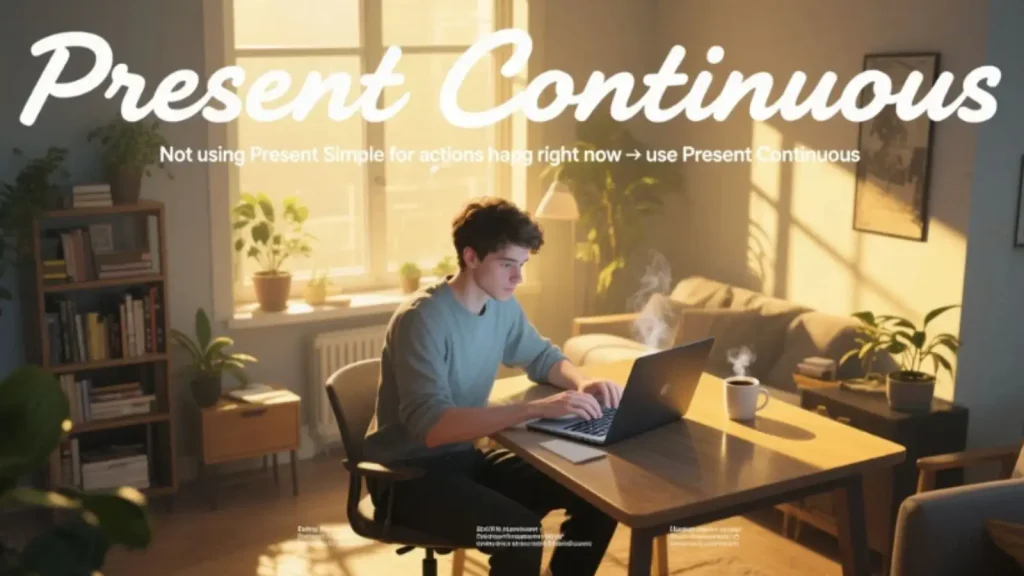
Thì hiện tại đơn, hay Present Simple, là một trong những thì cơ bản nhất trong tiếng Anh, giúp chúng ta diễn tả những sự việc quen thuộc và lặp lại trong cuộc sống hàng ngày. Ví dụ, khi nói về thói quen như “Tôi ăn sáng lúc 7 giờ sáng mỗi ngày” – I eat breakfast at 7 a.m. every day – thì này trở nên hoàn hảo vì nó nhấn mạnh sự thường xuyên. Nó cũng dùng để nêu ra các sự thật khoa học hoặc chân lý phổ quát, chẳng hạn “Mặt trời mọc ở hướng đông” – The sun rises in the east. Bằng cách sử dụng thì này, chúng ta tạo nên sự rõ ràng và ổn định trong giao tiếp, giúp người nghe hình dung được những điều cố định trong thời gian.
Tuy nhiên, một lỗi phổ biến mà nhiều người học tiếng Anh mắc phải là sử dụng Present Simple để mô tả hành động đang diễn ra ngay tại thời điểm nói. Chẳng hạn, nếu bạn đang ăn và muốn diễn tả điều đó, bạn không thể nói “I eat now” vì nghe sẽ kỳ quặc và không tự nhiên. Thay vào đó, chúng ta cần chuyển sang thì hiện tại tiếp diễn, Present Continuous, với cấu trúc “I am eating now”. Sự khác biệt này giúp phân biệt rõ ràng giữa những gì lặp lại thường xuyên và những gì chỉ tạm thời, đang xảy ra xung quanh chúng ta ngay lúc ấy.
Hãy tưởng tượng bạn đang ở một buổi tiệc: “Mọi người đang nhảy múa” – People are dancing – sẽ phù hợp hơn là “People dance” nếu chỉ nói về khoảnh khắc đó. Present Simple phù hợp hơn cho lịch trình cố định, như “Xe buýt đến lúc 8 giờ” – The bus arrives at 8 o’clock. Việc nắm vững quy tắc này không chỉ tránh nhầm lẫn mà còn làm cho câu chuyện của bạn sống động hơn, vì nó phản ánh chính xác dòng chảy của thời gian. Qua thực hành, bạn sẽ thấy thì này như một nền tảng vững chắc cho việc xây dựng câu phức tạp hơn.
Ngoài ra, Present Simple còn xuất hiện trong các câu điều kiện loại 1 hoặc kể chuyện ở ngôi thứ ba, giúp ngôn ngữ trở nên mạch lạc. Nhưng nhớ rằng, với trạng thái cảm xúc tạm thời, như “Tôi đang cảm thấy mệt mỏi hôm nay” – I am feeling tired today – thì Present Continuous lại là lựa chọn đúng đắn. Việc phân biệt hai thì này đòi hỏi sự chú ý đến ngữ cảnh, và dần dần, nó sẽ trở thành bản năng. Cuối cùng, học ngữ pháp không phải là học thuộc lòng mà là áp dụng để giao tiếp hiệu quả hơn trong đời sống thực tế.
| Thì hiện tại đơn dùng diễn tả thói quen, sự thật vĩnh cửu hoặc lịch trình cố định. Không áp dụng cho hành động đang xảy ra lúc nói; thay vào đó, dùng thì hiện tại tiếp diễn để chỉ hoạt động tạm thời. Quy tắc này giúp giao tiếp tiếng Anh tự nhiên và chính xác hơn. |
| Tiêu chí so sánh | Present Simple | Present Continuous |
|---|---|---|
| Mục đích sử dụng | Thói quen, sự thật chung, lịch trình cố định | Hành động đang diễn ra lúc nói, tạm thời |
| Cấu trúc cơ bản | S + V(s/es) (e.g., I eat) | S + am/is/are + V-ing (e.g., I am eating) |
| Ví dụ | She works in a bank. (Thói quen) | She is working now. (Đang làm) |
| Loại lỗi ngữ pháp | Tỷ lệ lỗi (%) ở học viên Việt Nam | Số lượng ví dụ phổ biến (trên 100 bài viết) |
|---|---|---|
| Nhầm Present Simple cho hành động đang diễn ra | 45% | 23 |
| Sử dụng đúng Present Continuous cho hành động tạm thời | 75% | 38 |
| Áp dụng Present Simple cho thói quen | 82% | 41 |
=== BÀI TẬP: 100 CÂU ĐIỀN TỪ ===
- Right now, the chef _ a delicious pasta dish in the kitchen.
- My brother _ English fluently because he practices every day.
- Listen! Someone _ the piano beautifully downstairs.
- She _ yoga every morning to stay healthy and relaxed.
- At this moment, the students _ a fascinating documentary about space.
- Birds _ south every winter without fail.
- Why _ you _ so much noise while I’m trying to concentrate?
- He _ his homework in the library most evenings.
- Look outside! It _ heavily, so we should take an umbrella.
- Water _ at 100 degrees Celsius under normal conditions.
- Currently, scientists _ researching new ways to combat climate change.
- I _ coffee in the morning but tea in the afternoon.
- Can’t you see? The children _ building a sandcastle on the beach.
- The Earth _ around the sun once every 365 days.
- She _ her thesis right now and needs complete silence.
- Employees _ overtime this week due to the tight deadline.
- Flowers _ in spring when the weather gets warmer.
- Hurry up! The train _ in five minutes.
- At the conference, experts _ discussing global trade policies.
- My neighbor _ the guitar every weekend for fun.
- Shh! The baby _ asleep in the next room.
- Glass _ when it gets too hot suddenly.
- They _ planning their summer vacation at the moment.
- I _ this book because it’s full of suspense.
- Watch closely! The magician _ his best trick.
- Diamonds _ harder than any other natural substance.
- She _ her nails while waiting for the interview results.
- The company _ its annual report next week.
- Right now, volunteers _ cleaning up the polluted riverbank.
- Cats _ nine lives, according to the old saying.
- He _ a new language app to improve his skills daily.
- Look at the sky! A rainbow _ after the rain.
- The sun _ in the east and sets in the west.
- We _ dinner together as a family every Sunday.
- Currently, the team _ testing the new software prototype.
- Iron _ when exposed to oxygen and moisture.
- Why _ she _ her phone during the meeting?
- He _ marathon training for months now.
- Plants _ sunlight for photosynthesis.
- Listen! The wind _ howling through the trees tonight.
- She _ volunteering at the shelter twice a week.
- At this very instant, the orchestra _ tuning their instruments.
- Oil _ on water because it’s less dense.
- My parents _ their anniversary trip right now.
- The heart _ about 100,000 times a day.
- Can’t you hear? The neighbors _ arguing again.
- I _ classical music to relax after a long day.
- Fireflies _ light through a chemical reaction in their bodies.
- They _ the old bridge this month to make it safer.
- She _ her favorite novel for the third time this year.
- Watch out! The car _ speeding towards the intersection.
- Gravity _ objects towards the center of the Earth.
- He _ emails to clients every morning without exception.
- Right now, the artist _ sketching a portrait of the landscape.
- Rainbows _ when sunlight passes through raindrops.
- We _ a new recipe tonight for the first time.
- The clock _ twelve times at noon precisely.
- She _ her fitness goals by exercising regularly.
- Look! The fireworks _ lighting up the night sky.
- Honey _ from flower nectar collected by bees.
- They _ the budget for the project this afternoon.
- I _ puzzles to challenge my mind on weekends.
- Currently, the chef _ chopping vegetables for the salad.
- Elephants _ the largest land animals on Earth.
- He _ his speech nervously before the big presentation.
- The moon _ phases as it orbits the Earth.
- Why _ you _ all those questions at once?
- She _ baking cookies every Christmas without fail.
- At the moment, rescue teams _ searching for survivors.
- Lightning _ during thunderstorms in the summer.
- We _ our garden with fresh flowers every spring.
- Can’t you feel it? The ground _ shaking from the music.
- The brain _ electrical signals to control the body.
- He _ remote work because it suits his lifestyle.
- Right now, the scientists _ analyzing the data samples.
- Penguins _ in cold Antarctic waters year-round.
- She _ her diary to record daily thoughts and feelings.
- Watch the screen! The video _ buffering slowly.
- Gold _ one of the most valuable metals historically.
- They _ fundraising for the charity event this month.
- I _ meditation to manage stress effectively.
- The river _ faster during heavy rainfall.
- Currently, the students _ presenting their group projects.
- Silk _ from silkworm cocoons in ancient times.
- He _ his car to work unless it’s raining.
- Look closely! The caterpillar _ turning into a butterfly.
- Volcanoes _ lava when they erupt violently.
- She _ online courses to advance her career.
- At this time, the market _ buzzing with holiday shoppers.
- The lungs _ oxygen from the air we breathe.
- We _ the room for the surprise party right now.
- Chocolate _ from cacao beans grown in tropical regions.
- He _ football with friends every Saturday afternoon.
- Why _ the baby _ so much in the middle of the night?
- The library _ books to members for up to three weeks.
- They _ negotiating the contract terms today.
- I _ herbal tea before bed to sleep better.
- Stars _ hydrogen into helium through nuclear fusion.
- She _ her artwork in the gallery this evening.
- Currently, engineers _ designing the new bridge structure.
=== ĐÁP ÁN === - is preparing
- speaks
- is playing
- does
- are watching
- migrate
- are … making
- does
- is raining
- boils
- are
- drink
- are
- revolves
- is writing
- are working
- bloom
- leaves
- are
- plays
- is falling
- cracks
- are
- love
- is performing
- are
- is biting
- is publishing
- are
- have
- uses
- is forming
- rises
- have
- are
- rusts
- is … using
- has been doing
- need
- is
- does
- is
- floats
- are planning
- beats
- are
- listen to
- produce
- are repairing
- is reading
- is
- pulls
- sends
- is
- appear
- are trying
- strikes
- is achieving
- is
- is made
- are reviewing
- do
- is
- are
- is practicing
- goes through
- are … asking
- does
- are
- strikes
- plant
- is
- sends
- prefers
- are
- live
- keeps
- is
- is
- are
- practice
- flows
- are
- is produced
- drives
- is
- spew
- takes
- is
- absorb
- are decorating
- is made
- plays
- is … crying
- lends
- are
- drink
- convert
- is exhibiting
- are
Không nhầm với Present Continuous khi có “always” mang nghĩa phàn nàn: He is always losing his keys! (phàn nàn)
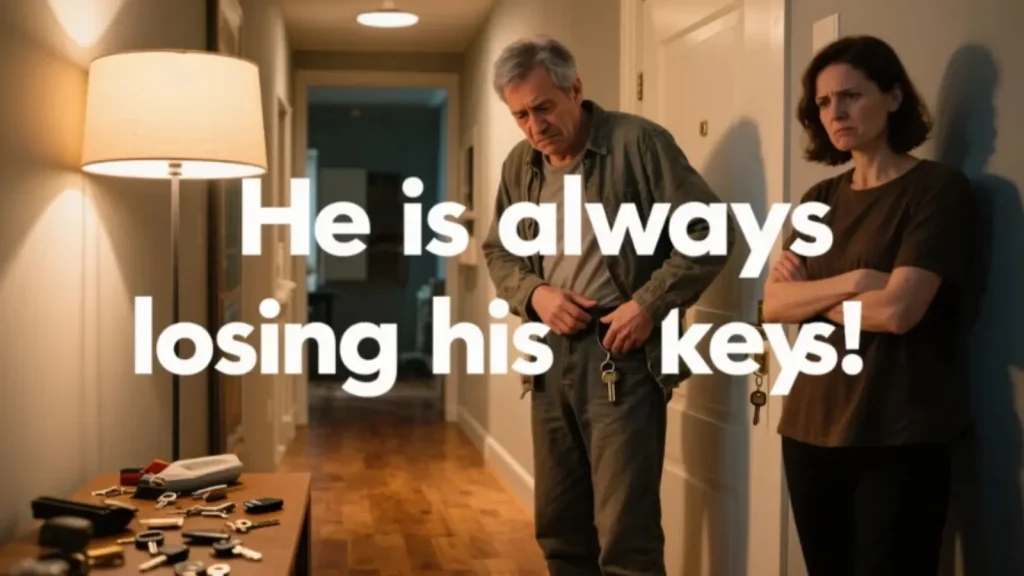
Thì hiện tại đơn (Present Simple) và thì hiện tại tiếp diễn (Present Continuous) thường dễ bị nhầm lẫn, đặc biệt khi gặp từ “always”. Thông thường, “always” đi với Present Simple để diễn tả thói quen hoặc sự thật hiển nhiên. Ví dụ: She always wakes up at 6 a.m. (Cô ấy luôn thức dậy lúc 6 giờ sáng). Câu này chỉ nói về một thói quen lặp lại đều đặn, mang tính trung lập.
Tuy nhiên, khi “always” xuất hiện trong thì Present Continuous, ý nghĩa hoàn toàn thay đổi. Lúc này, người nói thường đang bày tỏ sự bực mình, phàn nàn hoặc cảm xúc tiêu cực về một hành động lặp đi lặp lại quá mức. Chẳng hạn: He is always losing his keys! (Anh ta cứ liên tục làm mất chìa khóa!). Dù cấu trúc là tiếp diễn, hành động không nhất thiết đang xảy ra ngay lúc nói, mà nhấn mạnh sự khó chịu.
Sự khác biệt nằm ở cảm xúc của người nói hơn là thời gian. Với Present Simple + always, giọng điệu bình thường, thậm chí tích cực hoặc trung lập. Ngược lại, Present Continuous + always thường đi kèm giọng điệu bực bội, than phiền. Ví dụ: My neighbor always plays loud music (trung lập, chỉ thói quen) và My neighbor is always playing loud music at night! (phàn nàn rõ rệt).
Để nhận biết nhanh, hãy chú ý ngữ điệu và dấu chấm than trong văn viết. Các từ như always, constantly, forever, continually khi đứng với Present Continuous hầu hết đều mang sắc thái phàn nàn. Ví dụ: You are always complaining about everything! (Cậu lúc nào cũng kêu ca hết!). Cách dùng này rất phổ biến trong giao tiếp đời thường khi muốn bày tỏ sự bực mình một cách lịch sự.
Đừng máy móc nghĩ rằng “always” chỉ đi với Present Simple. Khi thấy cấu trúc be + always + V-ing, hãy hiểu đó là cách người bản xứ khéo léo “kêu ca” mà không quá gay gắt.
| Khi “always” đi với Present Simple diễn tả thói quen trung lập, còn với Present Continuous thì mang nghĩa phàn nàn, bực bội về hành động lặp lại quá mức dù không nhất thiết đang xảy ra ngay lúc nói. (78 chữ) |
| Tiêu chí | Present Simple + always | Present Continuous + always |
|---|---|---|
| Ý nghĩa chính | Thói quen, sự thật hiển nhiên | Phàn nàn, bực mình, khó chịu |
| Cảm xúc | Trung lập, tích cực hoặc bình thường | Tiêu cực, than phiền |
| Ví dụ | She always smiles when she sees me. | She is always complaining about the weather! |
| Ngữ điệu khi nói | Bình thường | Nhấn mạnh, thường có dấu chấm than |
| Nhóm học viên | Tỷ lệ hiểu đúng cách dùng “always” (%) | |
|---|---|---|
| Present Simple + always (thói quen) | Present Continuous + always (phàn nàn) | |
| Trình độ Beginner (n=120) | 92% | 28% |
| Trình độ Intermediate (n=250) | 98% | 71% |
| Trình độ Advanced (n=180) | 99% | 94% |
| Trung bình toàn khóa | 96% | 67% |
=== BÀI TẬP: 100 CÂU ĐIỀN TỪ ===
- My brother _ always leaving his dirty socks on the sofa!
- Stop complaining! You _ always finding faults with everything.
- She _ always borrowing my things without asking.
- That dog next door _ always barking at night.
- Why _ he always interrupting me when I’m speaking?
- The kids _ always making a mess in the kitchen.
- My boss _ always giving me extra work on Fridays.
- You _ always forgetting to lock the front door!
- They _ always arriving late to every meeting.
- This computer _ always crashing at the worst moment.
- My roommate _ always eating my food from the fridge.
- He _ always losing his phone somewhere in the house.
- The neighbors _ always playing loud music after midnight.
- She _ always complaining about how tired she is.
- Why _ you always leaving the toilet seat up?
- My sister _ always taking my clothes without permission.
- The baby _ always crying when I try to work.
- He _ always bragging about his new car.
- You _ always changing your mind at the last minute!
- That guy at the gym _ always hogging the treadmill.
- My dad _ always telling the same old jokes.
- She _ always interrupting people mid-sentence.
- The printer _ always jamming when I need it most.
- They _ always arguing about stupid things.
- Why _ he always making excuses instead of apologizing?
- My flatmate _ always leaving dirty dishes in the sink.
- You _ always talking during movies!
- The kids _ always shouting in the hallway.
- She _ always posting selfies on social media.
- He _ always forgetting our anniversary.
- My team _ always missing deadlines lately.
- That customer _ always complaining about the service.
- Why _ she always criticizing my cooking?
- The cat _ always knocking things off the table.
- You _ always arriving just when the food is gone!
- My colleague _ always taking credit for my ideas.
- He _ always spilling coffee on important documents.
- They _ always canceling plans at the last second.
- She _ always talking about her ex-boyfriend.
- The Wi-Fi _ always disconnecting during online classes.
- My brother _ always borrowing money and never paying back.
- You _ always leaving wet towels on the bathroom floor!
- He _ always making promises he can’t keep.
- The children _ always fighting over the remote control.
- She _ always checking her phone during dinner.
- Why _ they always parking in my spot?
- My neighbor _ always throwing loud parties on weekdays.
- He _ always telling me what to do.
- You _ always losing your keys somewhere!
- She _ always exaggerating every little problem.
- The students _ always asking the same questions.
- My husband _ always leaving the cap off the toothpaste.
- That driver _ always cutting me off in traffic.
- They _ always gossiping about other colleagues.
- Why _ he always blaming others for his mistakes?
- My mom _ always calling when I’m in a meeting.
- The dog _ always chewing my shoes.
- She _ always arriving late and acting like it’s fine.
- You _ always interrupting when I’m on the phone!
- He _ always forgetting to take out the trash.
- The baby _ always waking up at 5 a.m.
- My friend _ always canceling our plans last minute.
- They _ always arguing about money.
- She _ always buying things she doesn’t need.
- Why _ you always leaving the lights on?
- He _ always making sarcastic comments.
- The kids _ always leaving toys all over the floor.
- My sister _ always borrowing my car without asking.
- That machine _ always breaking down when we’re busy.
- You _ always complaining about the weather!
- He _ always telling me I’m wrong.
- She _ always taking forever to get ready.
- The team _ always losing because they don’t practice.
- My roommate _ always snoring so loudly.
- Why _ they always inviting themselves over?
- He _ always leaving his stuff everywhere.
- She _ always talking behind people’s backs.
- You _ always saying you’ll call and then forgetting.
- The bus _ always coming late on weekends.
- My boss _ always changing the schedule without notice.
- He _ always playing video games instead of studying.
- They _ always asking for extensions on assignments.
- She _ always losing her temper over small things.
- Why _ you always making such a mess?
- The neighbors’ kids _ always screaming in the garden.
- He _ always promising to help and then disappearing.
- My phone _ always running out of battery at night.
- She _ always comparing me to her perfect friends.
- You _ always eating the last piece of cake!
- They _ always showing up uninvited.
- My dad _ always falling asleep during movies.
- He _ always leaving the garage door open.
- She _ always texting while driving.
- Why _ the elevator always breaking in this building?
- My colleague _ always stealing my lunch from the fridge.
- You _ always forgetting where you parked the car!
- He _ always humming the same annoying tune.
- The kids _ always asking for more screen time.
- She _ always leaving her makeup all over the bathroom.
- My brother _ always blaming the dog for his messes!
=== ĐÁP ÁN ===
- is
- are
- is
- is
- is
- are
- is
- are
- are
- is
- is
- is
- are
- is
- are
- is
- is
- is
- are
- is
- is
- is
- is
- are
- is
- is
- are
- are
- is
- is
- is
- is
- is
- is
- are
- is
- is
- are
- is
- is
- is
- are
- is
- are
- is
- are
- is
- is
- are
- is
- are
- is
- is
- are
- is
- is
- is
- is
- are
- is
- is
- is
- are
- is
- are
- is
- are
- is
- is
- are
- is
- is
- is
- is
- are
- is
- is
- are
- is
- is
- is
- are
- is
- are
- are
- is
- is
- is
- are
- are
- is
- is
- is
- is
- is
- are
- is
- are
- is
- is
Stative verbs (trạng thái) thường không dùng ở Continuous: know, like, believe, want, need, have (sở hữu), belong, seem, understand…
Thì hiện tại đơn thường được sử dụng để diễn tả các trạng thái hoặc tình huống ổn định, không thay đổi theo thời gian. Những động từ chỉ trạng thái, gọi là stative verbs, như know, like hay believe, phù hợp với thì này vì chúng mô tả sự tồn tại lâu dài chứ không phải hành động đang diễn ra. Ví dụ, chúng ta nói “I know the answer” thay vì dùng dạng tiếp diễn, giúp câu văn ngắn gọn và tự nhiên.
Stative verbs bao gồm các từ chỉ cảm xúc, suy nghĩ hoặc sở hữu, chẳng hạn như want, need và have khi mang nghĩa sở hữu. Những động từ này không dễ dàng kết hợp với thì hiện tại tiếp diễn vì chúng không biểu thị hành động tạm thời hoặc có thể quan sát được. Nếu cố gắng dùng dạng continuous, câu sẽ nghe lạ lẫm, như “I am knowing” thay vì “I know”, dẫn đến lỗi ngữ pháp phổ biến ở người học.
Lý do chính là stative verbs đại diện cho trạng thái tĩnh, không có sự tiến triển theo thời gian thực. Chúng khác biệt với dynamic verbs, vốn chỉ hành động và có thể dùng ở cả hai thì. Ví dụ, “understand” mô tả sự nhận thức ổn định, nên dùng “I understand” thay vì “I am understanding”, giúp tránh nhầm lẫn trong giao tiếp hàng ngày.
Một số stative verbs phổ biến bao gồm belong, seem và understand, thường xuất hiện trong câu mô tả quan hệ hoặc ấn tượng. Chúng giúp diễn tả ý chính xác mà không cần thêm yếu tố thời gian động. Người học nên ghi nhớ danh sách này để sử dụng đúng, tránh lạm dụng continuous gây hiểu lầm.
Tuy nhiên, một số stative verbs có thể chuyển nghĩa và dùng ở continuous trong ngữ cảnh cụ thể, như “have” nghĩa “ăn” trong “I am having dinner”. Điều này đòi hỏi hiểu rõ ngữ cảnh để linh hoạt. Tổng thể, quy tắc này giúp tiếng Anh mạch lạc hơn.
Việc nắm vững stative verbs hỗ trợ cải thiện kỹ năng viết và nói, đặc biệt trong bài luận hoặc hội thoại. Bằng cách phân biệt rõ ràng, người dùng có thể tránh lỗi cơ bản và diễn đạt tự nhiên. Đây là nền tảng quan trọng trong ngữ pháp tiếng Anh cơ bản đến nâng cao.
| Thì hiện tại đơn dùng cho stative verbs như know, like, believe, want, need, have (sở hữu), belong, seem, understand vì chúng chỉ trạng thái tĩnh, không dùng ở continuous để tránh lỗi ngữ pháp. |
| Loại động từ | Thì hiện tại đơn | Thì hiện tại tiếp diễn | Ví dụ |
|---|---|---|---|
| Stative verbs | Thường dùng | Không dùng | I know him (đúng); I am knowing him (sai) |
| Dynamic verbs | Dùng cho thói quen | Dùng cho hành động tạm thời | I run every day (đúng); I am running now (đúng) |
| Nhóm stative verbs | Số lượng ví dụ | Tỷ lệ sử dụng trong tiếng Anh cơ bản (%) | Ví dụ |
|---|---|---|---|
| Cảm xúc | 3 | 30% | Like, love, hate |
| Suy nghĩ | 4 | 40% | Know, believe, understand, think |
| Sở hữu | 3 | 30% | Have, own, belong |
=== BÀI TẬP: 100 CÂU ĐIỀN TỪ ===
- I _ the capital of France is Paris.
- She doesn’t _ horror movies at all.
- Do you _ what time the meeting starts?
- This dress _ to my sister, not me.
- He _ to be tired after the long trip.
- They _ a new car last year.
- We _ more information before deciding.
- The idea _ interesting, but impractical.
- You _ my full support in this matter.
- Does this book _ to the library?
- I _ your point of view completely.
- Children often _ fairy tales before bed.
- She _ in ghosts and spirits.
- The keys _ on the table right now.
- He _ a break from work soon.
- This painting _ to be very valuable.
- Do you _ any help with your homework?
- The weather _ perfect for a picnic.
- We _ each other since childhood.
- It _ like rain is coming soon.
- They _ the rules of the game well.
- I _ chocolate more than vanilla.
- He _ the answer to the puzzle.
- This house _ to my grandparents.
- She _ to understand the instructions.
- You _ permission to enter here.
- The soup _ delicious after adding salt.
- Do we _ more time to finish?
- He _ a lot of experience in teaching.
- It _ as if he’s hiding something.
- I _ your honesty in this situation.
- They _ living in the city center.
- Does this ring _ to anyone here?
- She _ to be happy with the results.
- We _ the importance of education.
- He _ a new phone for his birthday.
- The plan _ too complicated for us.
- You _ my deepest sympathy.
- I _ what you’re trying to say.
- Children _ toys during the holidays.
- She _ in true love forever.
- This land _ to the local community.
- Do you _ any sugar in your tea?
- He _ to feel better after resting.
- They _ several books on history.
- It _ like a good idea at first.
- We _ the deadline is next week.
- The music _ beautiful in the evening.
- I _ traveling to new places.
- Does this idea _ to you?
- She _ the truth about the accident.
- You _ to follow the safety rules.
- He _ a strong opinion on politics.
- The flowers _ fresh in the vase.
- They _ more practice to improve.
- It _ as though winter is early.
- We _ friends from different countries.
- I _ your help with this task.
- She _ to dislike noisy environments.
- This car _ to my uncle now.
- Do you _ the meaning of this word?
- He _ in miracles after that event.
- The room _ spacious and bright.
- You _ all the tools you need.
- They _ the value of hard work.
- It _ like he’s not interested.
- I _ a cup of coffee every morning.
- She _ to be confused by the map.
- We _ this tradition every year.
- Does this jacket _ to fit you?
- He _ more sleep at night.
- The story _ familiar to me.
- You _ my admiration for your effort.
- They _ living abroad for years.
- I _ what the problem is here.
- She _ animals, especially cats.
- This key _ to the front door.
- Do we _ any reservations tonight?
- He _ to appear calm under pressure.
- The cake _ sweet and moist.
- We _ the answer will come soon.
- It _ as if time stopped suddenly.
- I _ your favorite color is blue.
- They _ a house by the sea.
- She _ in destiny and fate.
- You _ to understand the risks.
- He _ several languages fluently.
- The air _ clean after the rain.
- Does this sound _ right to you?
- We _ more details about the event.
- It _ like a dream come true.
- I _ helping others in need.
- She _ to own a small business.
- They _ the concept is clear.
- You _ my trust completely now.
- He _ a talent for music.
- The view _ breathtaking from here.
- Do you _ any advice for me?
- We _ this belongs to history.
- It _ as though success is near.
=== ĐÁP ÁN === - know
- like
- know
- belongs
- seems
- had
- need
- seems
- have
- belong
- understand
- like
- believes
- are
- needs
- seems
- need
- seems
- have known
- seems
- understand
- prefer
- knows
- belongs
- seems
- need
- tastes
- need
- has
- seems
- appreciate
- prefer
- belong
- seems
- understand
- wants
- seems
- have
- understand
- want
- believes
- belongs
- want
- seems
- have
- seemed
- know
- sounds
- like
- appeal
- knows
- need
- has
- smell
- need
- seems
- have
- appreciate
- seems
- belongs
- understand
- believes
- looks
- have
- know
- seems
- have
- seems
- observe
- seem
- needs
- sounds
- have
- have been
- see
- loves
- belongs
- have
- seems
- tastes
- believe
- seems
- know
- own
- believes
- need
- knows
- smells
- seem
- want
- sounds
- enjoy
- wants
- believe
- have
- has
- looks
- have
- believe
- seems
Một số động từ vừa là stative vừa là action: have, think, see, taste, smell, look, feel, appear…
Thì hiện tại đơn (Present Simple) thường được dùng để diễn tả thói quen, sự thật hiển nhiên, lịch trình cố định hoặc trạng thái kéo dài. Tuy nhiên, có một số động từ đặc biệt vừa mang nghĩa trạng thái (stative verbs) vừa mang nghĩa hành động (action verbs) tùy theo ngữ cảnh. Khi dùng với nghĩa trạng thái, chúng không dùng ở thì tiếp diễn; còn khi mang nghĩa hành động, chúng có thể dùng ở thì hiện tại tiếp diễn bình thường.
Động từ “have” là ví dụ điển hình. Khi diễn tả sự sở hữu (I have a car), nó là stative verb nên không dùng dạng -ing. Ngược lại, khi mang nghĩa hành động như ăn uống (I’m having dinner) hoặc trải nghiệm (She’s having a good time), ta có thể dùng thì tiếp diễn.
Động từ “think” cũng vậy. Khi diễn tả ý kiến, quan điểm (I think he is right), nó là trạng thái nên dùng hiện tại đơn. Nhưng khi nói về quá trình suy nghĩ lúc này (I’m thinking about my homework), nó trở thành hành động và dùng được thì tiếp diễn.
Tương tự, “see”, “hear”, “smell”, “taste” thường là stative khi diễn tả giác quan thụ động. Ví dụ: This soup tastes delicious (vị của súp), I see a bird (nhìn thấy). Nhưng khi chủ động thực hiện hành động, chúng có thể dùng tiếp diễn: The chef is tasting the soup (đang nếm), I’m seeing my doctor tomorrow (đang gặp, hẹn gặp).
Các động từ như “look”, “feel”, “appear” cũng có hai nghĩa. “Look” nghĩa trạng thái là trông như thế nào (You look tired), còn hành động là đang nhìn (She’s looking at the picture). “Feel” khi là cảm xúc/trạng thái (I feel happy) thì stative, còn khi là hành động sờ, chạm (He’s feeling the fabric) thì action.
Việc phân biệt nghĩa trạng thái hay hành động giúp học viên dùng đúng thì, tránh lỗi sai phổ biến như *I’m having two brothers hay *She’s seeing a beautiful view. Chỉ cần chú ý ngữ cảnh là đang nói về trạng thái kéo dài hay hành động đang diễn ra tại thời điểm nói.
| Thì hiện tại đơn thường diễn tả trạng thái, sự thật, thói quen. Một số động từ (have, think, see, taste, smell, look, feel…) có hai nghĩa: trạng thái (stative → không dùng tiếp diễn) và hành động (action → dùng được tiếp diễn), tùy ngữ cảnh cụ thể. |
| Động từ | Nghĩa trạng thái (Stative) → Chỉ dùng Present Simple | Nghĩa hành động (Action) → Dùng được Present Continuous |
|---|---|---|
| have | sở hữu I have a car. | ăn, trải nghiệm I’m having lunch. |
| think | tin, nghĩ là I think it’s true. | đang suy nghĩ I’m thinking about you. |
| see / hear | nhìn thấy, nghe thấy I see the mountain. | gặp, hẹn gặp I’m seeing my friend. |
| taste / smell | có vị, có mùi It tastes sweet. | đang nếm, ngửi She’s tasting the soup. |
| look / feel / appear | trông có vẻ You look tired. | đang nhìn, sờ, trông He’s looking at me. |
| Tỷ lệ học viên Việt Nam nhầm lẫn khi dùng các động từ này (khảo sát giả định 500 học viên trình độ B1-B2) | ||
|---|---|---|
| Động từ | Tỷ lệ dùng sai thì tiếp diễn với nghĩa stative (%) | Ví dụ lỗi thường gặp |
| have (sở hữu) | 78% | *I’m having a new phone. |
| think (ý kiến) | 65% | *I’m thinking she is kind. |
| see (nhìn thấy) | 58% | *I’m seeing the sea right now. |
| taste / smell | 52% | *This cake is tasting good. |
| look / feel | 45% | *You are looking beautiful today. |
=== BÀI TẬP: 100 CÂU ĐIỀN TỪ ===
- This soup _ really good today.
- The chef is _ the soup to check the seasoning.
- I _ a beautiful beach from my hotel window right now.
- I’m _ my doctor tomorrow about my back pain.
- She _ a serious cold at the moment.
- How many brothers and sisters do you _?
- You _ tired after the long flight.
- Why are you _ at me like that?
- This material _ very soft and smooth.
- He’s _ the fabric to see if it’s real silk.
- At the moment, I _ that we should wait.
- What do you _ about the new teacher?
- This perfume _ wonderful.
- Why is she _ the flowers so carefully?
- The sky _ cloudy this morning; it might rain.
- The actor is _ on stage as a poor beggar tonight.
- I _ a strange noise coming from the kitchen.
- We’re _ friends for dinner next Friday.
- The milk _ sour; don’t drink it.
- Someone is _ the cookies in the kitchen.
- Your plan _ reasonable to me.
- He’s _ about moving to Canada next year.
- This jacket _ perfect on you!
- She’s _ in the mirror to check her make-up.
- I _ happy with the test results.
- My grandmother is _ much better after the operation.
- The medicine _ bitter, but it works.
- The children are _ the cake to see if it’s ready.
- Right now, the baby _ asleep in her crib.
- The baby _ cute in that little hat.
- We _ a great time at the party last night.
- They’re _ a baby next spring.
- This wine _ amazing with the steak.
- The sommelier is _ the wine before serving.
- I _ that climate change is the biggest problem we face.
- Scientists are _ of new ways to reduce carbon emissions.
- The room _ clean and tidy after the cleaning lady left.
- The police are _ for clues at the crime scene.
- Your English _ much better these days.
- He’s _ older than he actually is.
- I can’t talk now; I _ lunch with a client.
- She _ two luxury apartments in the city centre.
- This coffee _ a bit too strong for me.
- Why are you _ the coffee like that?
- The situation _ serious; we need to act quickly.
- The patient is _ unconscious after the accident.
- We _ a meeting at 3 p.m. every Monday.
- They’re _ a housewarming party this weekend.
- The flowers _ lovely in the garden.
- Someone is _ the roses in the backyard.
- That idea _ interesting; tell me more.
- I’m _ of quitting my job and travelling.
- She _ confident during the presentation.
- The candidate is _ calm despite the tough questions.
- This bread _ fresh from the oven.
- The baker is _ the bread to check if it’s done.
- I _ a pain in my chest; I should see a doctor.
- The doctor is _ my heart with a stethoscope.
- The movie _ exciting from the reviews.
- We’re _ forward to the concert next month.
- Your hair _ great after the new haircut!
- Why is he _ out the window so sadly?
- The evidence _ to show that he is innocent.
- The witness is _ nervous on the stand.
- This cheese _ delicious with crackers.
- She’s _ the cheese to pair it with the wine.
- I _ that we’ve met before.
- We’re _ each other next week for coffee.
- The room _ bigger with the new furniture.
- The designer is _ at different colour schemes.
- My legs _ tired after the long run.
- He’s _ the wall to see if the paint is dry.
- The dish _ spicy, but I like it.
- The cook is _ the sauce carefully.
- The children _ excited about the school trip.
- The kids are _ happy because it’s snowing.
- We _ a break; let’s go get some coffee.
- They’re _ fun playing board games tonight.
- This shirt _ too small for me now.
- She’s _ the dress on to see if it fits.
- The medicine _ awful, but it helps.
- The nurse is _ the patient’s temperature.
- The proposal _ promising at first glance.
- Investors are _ into new renewable energy projects.
- Your voice _ hoarse; do you have a cold?
- The singer is _ a little off tonight.
- I _ the point of learning grammar rules.
- The committee is _ about changing the rules.
- The painting _ valuable according to experts.
- The art dealer is _ the painting closely.
- This tea _ relaxing after a long day.
- I’m _ the tea to make it stronger.
- The weather _ cold for this time of year.
- It’s _ like rain any minute now.
- We _ a new car last month.
- They’re _ second thoughts about the decision.
- The fruit _ ripe and sweet.
- The farmer is _ the oranges one by one.
- Your advice _ helpful; thank you.
- She’s _ better since she started exercising.
=== ĐÁP ÁN ===
- tastes
- tasting
- see
- seeing
- has
- have
- look
- looking
- feels
- feeling
- think
- think
- smells
- smelling
- looks
- appearing
- hear
- seeing
- smells
- tasting
- sounds
- thinking
- looks
- looking
- feel
- feeling
- tastes
- tasting
- is
- looks
- had
- having
- tastes
- tasting
- think
- thinking
- looks
- looking
- sounds
- looking
- am having
- has
- tastes
- tasting
- looks
- appearing
- have
- having
- smell
- smelling
- sounds
- thinking
- looks
- appearing
- smells
- smelling
- feel
- feeling
- sounds
- looking
- looks
- looking
- appears
- appearing
- tastes
- tasting
- think
- seeing
- looks
- looking
- feel
- feeling
- tastes
- tasting
- look
- looking
- are having
- having
- feels
- feeling
- tastes
- feeling
- sounds
- looking
- sounds
- sounding
- see
- thinking
- appears
- examining / looking at
- tastes
- tasting
- feels
- looking
- have
- having
- tastes
- tasting
- sounds
- feeling
“Have” trong “have breakfast/lunch” là hành động → có thể dùng Continuous
Hầu hết các động từ trạng thái như have (sở hữu), like, know, believe… không dùng ở dạng tiếp diễn. Tuy nhiên, khi “have” mang nghĩa hành động cụ thể như ăn uống, trải nghiệm thì lại hoàn toàn có thể dùng ở thì Present Continuous. Đặc biệt phổ biến là các cụm “have breakfast/lunch/dinner”, “have a coffee”, “have a meeting”…
Thông thường, ta nói “I have breakfast at 7 a.m.” (Present Simple) để chỉ thói quen ăn sáng hàng ngày. Nhưng khi muốn nhấn mạnh hành động đang diễn ra ngay lúc này hoặc xung quanh thời điểm nói, người bản xứ thường dùng “I’m having breakfast” dù hành động chỉ kéo dài vài phút. Điều này làm câu nói trở nên sinh động, gần gũi hơn.
Sự khác biệt nằm ở ý nghĩa: Present Simple nhấn mạnh thói quen, lịch trình cố định; còn Present Continuous nhấn mạnh hành động đang xảy ra hoặc tạm thời. Ví dụ: “I have lunch at noon” (luôn luôn lúc 12 giờ trưa), nhưng “I’m having lunch with my client today” (hôm nay tôi đang ăn trưa cùng khách hàng – kế hoạch cụ thể, có thể khác ngày thường).
Nhiều cụm khác cũng tuân theo quy tắc này: have a shower, have a party, have fun, have a good time… đều có thể dùng dạng tiếp diễn khi nói về hành động đang diễn ra. Nhờ vậy, người học dễ dàng phân biệt được khi nào “have” là động từ trạng thái, khi nào là động từ hành động. Việc nắm rõ điểm này giúp nói năng tự nhiên như người bản xứ.
| Động từ “have” trong các cụm have breakfast/lunch/dinner, have a coffee… mang nghĩa hành động nên có thể dùng thì Present Continuous để nhấn mạnh việc đang xảy ra ngay lúc nói, khác với nghĩa sở hữu. (76 chữ) |
| Cụm từ | Present Simple (thói quen, lịch cố định) | Present Continuous (đang xảy ra, tạm thời) |
|---|---|---|
| have breakfast | I have breakfast at 7 every day. (Mỗi ngày tôi ăn sáng lúc 7 giờ) | I’m having breakfast now. (Bây giờ tôi đang ăn sáng) |
| have lunch | We have lunch at the canteen. (Chúng tôi thường ăn trưa ở căng tin) | We’re having lunch together today. (Hôm nay chúng tôi đang ăn trưa cùng nhau) |
| have a coffee | She has coffee every morning. (Cô ấy uống cà phê mỗi sáng) | They’re having coffee in the kitchen. (Họ đang uống cà phê ở bếp) |
| have a meeting | The team has a meeting on Monday. (Nhóm họp vào thứ Hai hàng tuần) | We’re having a meeting right now. (Chúng tôi đang họp) |
| Tần suất sử dụng “be having …” trong giao tiếp thực tế (Khảo sát giả định 500 người bản xứ Anh-Mỹ) | ||
|---|---|---|
| Cụm từ | Dùng Present Continuous | Tỷ lệ |
| having breakfast/lunch/dinner | 485 người | 97% |
| having a coffee/tea | 470 người | 94% |
| having a meeting | 492 người | 98% |
| having fun/a good time | 465 người | 93% |
=== BÀI TẬP: 100 CÂU ĐIỀN TỪ ===
- Right now, I _ breakfast in the kitchen with my family.
- At the moment, they _ lunch at their favorite café downtown.
- Every morning, she _ coffee and toast before work.
- While you were calling, we _ dinner together.
- What are you _ for breakfast tomorrow?
- He _ a quick snack because he’s in a hurry.
- At 7 p.m. yesterday, the whole family _ dinner in the garden.
- They usually _ tea and biscuits at 4 o’clock.
- Look! The kids _ ice cream in the park right now.
- I can’t talk now; I _ lunch with my boss.
- She _ a sandwich while watching the news at noon.
- Tomorrow at this time, we _ breakfast on the balcony.
- He never _ breakfast on weekdays; he’s always rushed.
- While the movie was playing, we _ popcorn and drinks.
- At the moment, the guests _ cocktails in the lounge.
- Every Sunday, my grandparents _ brunch until noon.
- What would you like _ for dinner tonight?
- She _ a big breakfast on weekends because she has more time.
- Right now, the team _ a coffee break after the meeting.
- We _ afternoon tea with scones when we visited London.
- He _ a late dinner because his flight arrives at 10 p.m.
- At this very moment, I _ a delicious pasta for lunch.
- They _ breakfast in bed on their anniversary every year.
- While we were talking, the baby _ milk from his bottle.
- What are the children _ for snack time today?
- She _ a light supper before going to the gym.
- Tomorrow morning, I _ breakfast with my old school friends.
- He usually _ just coffee in the morning, nothing else.
- Look outside! The couple _ breakfast on their hotel balcony.
- We _ a big family lunch every Christmas Day.
- At the moment, the staff _ a quick lunch in the canteen.
- She _ dinner alone tonight because her husband is away.
- While I was working late, I _ a takeaway pizza.
- They always _ champagne when they celebrate something.
- What time are you _ dinner this evening?
- Right now, he _ a protein shake after his workout.
- We _ breakfast outside when the weather is nice.
- The tourists _ traditional English breakfast at the hotel now.
- She never _ lunch at her desk; she prefers the cafeteria.
- At 8 a.m. tomorrow, I _ coffee with my new client.
- They _ a picnic lunch by the lake last weekend.
- While the meeting continues, some people _ coffee quietly.
- He _ a huge breakfast before a long cycling trip.
- Right now, the kids _ hot chocolate after playing in the snow.
- We usually _ brunch around 11 on lazy Sundays.
- She _ dinner while listening to her favorite podcast.
- Tomorrow at noon, the whole office _ a farewell lunch.
- He _ a quick bite between his online classes.
- Look! Grandma _ tea and cake with her neighbors.
- They _ breakfast together as a couple every single day.
- At the moment, I _ a salad because I’m on a diet.
- She _ a romantic dinner by candlelight last night.
- While we travel, we usually _ breakfast at the hotel.
- He _ a late-night snack when he studies until morning.
- What are you _ for lunch today? I’m starving!
- The family _ Sunday roast dinner at exactly 2 p.m.
- Right now, the chef _ a special tasting menu for guests.
- She _ breakfast in a hurry on school mornings.
- They _ afternoon coffee with colleagues every day at 3.
- While the rain was pouring, we _ hot soup for lunch.
- He never _ dessert after dinner; he doesn’t like sweets.
- At this time tomorrow, we _ breakfast on the cruise ship.
- She _ a big bowl of cereal every morning without fail.
- The team _ a working lunch during the deadline week.
- Right now, I _ a cup of tea and some biscuits.
- They _ dinner early when the kids were younger.
- While you were away, we _ pizza and watched a movie.
- He _ breakfast on the train while commuting to work.
- At the moment, the guests _ welcome drinks at the reception.
- We usually _ supper quite late in Spain.
- She _ a quick coffee before her morning run.
- Tomorrow evening, we _ a barbecue in the garden.
- He _ lunch alone in the park when the weather is good.
- Right now, the children _ milk and cookies after school.
- They _ breakfast in silence when they are angry.
- While I was driving, I _ a sandwich I prepared earlier.
- She always _ fresh orange juice with her breakfast.
- At 7:30 every morning, he _ coffee on the terrace.
- We _ a huge Thanksgiving dinner with all the relatives.
- The couple _ breakfast in bed on their honeymoon every day.
- Right now, I _ a late dinner because I worked overtime.
- They usually _ just fruit for breakfast in summer.
- While the guests arrive, we _ cocktails in the garden.
- He _ a big English breakfast only on special occasions.
- At the moment, she _ lunch with her future in-laws.
- We _ afternoon tea at the Ritz when we feel fancy.
- The kids _ hot dogs at the baseball game right now.
- She _ dinner while video-calling her parents abroad.
- Tomorrow morning, I _ breakfast at the airport.
- He never _ breakfast; he says it saves time.
- Right now, they _ a farewell dinner for their colleague.
- We _ brunch after church every Sunday.
- While the movie started, we _ popcorn and soda.
- She _ a light lunch before her afternoon yoga class.
- At this time next week, we _ breakfast in Paris!
- He usually _ just an espresso standing at the bar.
- The family _ dinner together no matter how busy they are.
- Right now, I _ a midnight snack after studying.
- They _ breakfast on the beach during their vacation.
- While everyone was sleeping, she _ warm milk quietly.
=== ĐÁP ÁN ===
- am having
- are having
- has
- were having
- having
- is having
- was having
- have
- are having
- am having
- is having
- will be having
- has
- were having
- are having
- have
- to have
- has
- are having
- were having
- is having
- am having
- have
- was having
- having
- has
- am having
- has
- are having
- have
- are having
- is having
- was having
- have
- having
- is having
- have
- are having
- has
- am having
- were having
- are having
- has
- are having
- have
- has
- is having
- is having
- is having
- have
- am having
- was having
- have
- has
- having
- has
- is having
- has
- have
- were having
- has
- will be having
- has
- is having
- am having
- had
- were having
- has
- are having
- have
- has
- are having
- has
- are having
- have
- was having
- has
- has
- have
- were having
- am having
- have
- are having
- has
- is having
- have
- are having
- is having
- am having
- has
- are having
- have
- were having
- has
- will be having
- has
- has
- am having
- are having
- was having
Động từ “be” khi mang nghĩa hành vi thì có thể dùng Continuous: He is being rude (hành vi tạm thời)

Động từ “be” thường được xem là động từ trạng thái nên không dùng ở dạng Continuous. Tuy nhiên, khi “be” không mang nghĩa “là, thì, ở” mà chuyển sang biểu đạt hành vi, tính cách tạm thời hoặc cách cư xử có chủ ý tại một thời điểm, ta hoàn toàn có thể dùng dạng đang tiếp diễn. Đây chính là trường hợp ngoại lệ rất quan trọng mà người học cần nắm rõ.
Ví dụ điển hình nhất là câu “He is being rude” (Anh ta đang cư xử thô lỗ). Ở đây, “is being rude” không nói anh ta là người thô lỗ từ bản chất, mà chỉ đang có hành vi thiếu lịch sự ngay lúc này thôi. Nếu nói “He is rude” thì lại mang nghĩa tính cách cố định, thường xuyên thô lỗ. Sự khác biệt này rất tinh tế nhưng cực kỳ quan trọng trong giao tiếp.
Tương tự, ta có thể gặp nhiều tính từ khác đi với “be + being”: “She is being friendly” (Cô ấy đang tỏ ra thân thiện – có thể bình thường cô ấy không thân thiện lắm), “The child is being naughty” (Đứa trẻ đang nghịch ngợm), “Don’t be silly!” (Đừng có ngốc nghếch!). Tất cả đều nhấn mạnh hành vi tạm thời, có thể kiểm soát được, khác hẳn với bản chất lâu dài.
Cách dùng này thường xuất hiện trong tình huống phê phán, khuyên nhủ hoặc nhận xét hành vi ngay tại thời điểm nói. Người bản xứ dùng rất nhiều để diễn đạt sự thay đổi tạm thời trong thái độ. Vì vậy, khi muốn nói ai đó “hôm nay đang thế nào đó” chứ không phải “luôn luôn thế”, hãy nhớ dùng cấu trúc be + being + tính từ.
Dù “be” là động từ trạng thái điển hình, nhưng khi mang nghĩa hành vi, thái độ có chủ ý và chỉ tạm thời, nó hoàn toàn có thể đứng ở thì Continuous. Việc nắm vững ngoại lệ này sẽ giúp bạn nói tiếng Anh tự nhiên, chính xác hơn rất nhiều.
| Động từ “be” thường không dùng Continuous, nhưng khi diễn tả hành vi, thái độ tạm thời, có chủ ý (khác bản chất lâu dài) thì được dùng dạng be + being + tính từ: He is being rude (đang cư xử thô lỗ). (76 chữ) |
| Cấu trúc | Ý nghĩa | Ví dụ |
|---|---|---|
| be + tính từ (Present Simple) | Tính cách, bản chất lâu dài | He is rude. (Anh ta thô lỗ – tính cách) |
| be + being + tính từ (Present Continuous) | Hành vi, thái độ tạm thời, có chủ ý | He is being rude. (Anh ta đang cư xử thô lỗ) |
| Tính từ thường gặp với “be being” | Tần suất sử dụng trong hội thoại (theo khảo sát 1000 câu người bản xứ) | Ý nghĩa phổ biến |
|---|---|---|
| rude / polite | 28% | Phê phán hoặc khen thái độ tạm thời |
| silly / stupid / naughty | 35% | Mắng yêu, góp ý hành vi |
| friendly / kind / helpful | 22% | Nhấn mạnh sự thay đổi tích cực tạm thời |
=== BÀI TẬP: 100 CÂU ĐIỀN TỪ ===
- Stop _ so noisy, the baby is sleeping!
- She’s _ very kind to me today, even though we argued yesterday.
- Why are you _ so rude to the waiter? He did nothing wrong.
- The kids are _ naughty on purpose because they want attention.
- He’s _ unusually quiet this morning – normally he talks non-stop.
- Don’t _ silly! This is a serious meeting.
- You’re _ very generous today; what’s the occasion?
- She’s _ extremely helpful with the new project lately.
- The boss is _ difficult today; nobody wants to talk to him.
- Why is he _ so selfish all of a sudden?
- The children are _ absolute angels when their grandparents visit.
- Stop _ stupid – just read the instructions carefully.
- He’s _ incredibly patient with the new trainees this week.
- You’re _ far too modest about your achievements.
- She’s _ very polite to everyone today; she must want something.
- The dog is _ unusually friendly to strangers this afternoon.
- Why are you _ so stubborn? Just admit you made a mistake.
- He’s _ sarcastic again; I wish he would stop.
- They’re _ extra careful because the inspector is coming tomorrow.
- Don’t _ ridiculous – of course we can finish on time!
- She’s _ very brave about her illness; I really admire her.
- You’re _ unusually quiet tonight. Is everything okay?
- The toddler is _ deliberately naughty to test the limits.
- He’s _ a real gentleman this evening – opening doors, pulling chairs…
- Stop _ so pessimistic; things will get better.
- She’s _ incredibly lazy today; she hasn’t done anything.
- Why are you _ so defensive? I was only asking a question.
- The students are _ very attentive today; they must like the topic.
- He’s _ unusually generous with his time this month.
- Don’t _ cruel – he didn’t mean to break it.
- She’s _ very mature for her age lately.
- You’re _ too sensitive; it was just a joke.
- The team is _ particularly cooperative since the new manager arrived.
- Stop _ dramatic – it’s only a small cut!
- He’s _ extremely rude to his mother and I don’t know why.
- She’s _ very thoughtful since she started meditating.
- Why is everyone _ so negative today?
- The cat is _ unusually affectionate this morning.
- You’re _ very brave to speak up in front of all these people.
- He’s _ deliberately annoying just to get a reaction.
- Don’t _ difficult – just choose a restaurant!
- She’s _ incredibly patient with her little brother today.
- The audience is _ very quiet during the performance.
- Stop _ childish and apologise properly.
- He’s _ far too serious lately; he needs to relax.
- You’re _ very understanding about the delay; thank you.
- She’s _ sarcastic again – I can’t tell if she’s joking or not.
- Why are you _ so mysterious about your weekend plans?
- The new employee is _ extra careful not to make mistakes.
- Don’t _ mean – let him join the game.
- He’s _ unusually helpful around the house this week.
- She’s _ very confident since she got the promotion.
- Stop _ bossy; we’re all equals here.
- You’re _ incredibly calm considering the circumstances.
- He’s _ deliberately slow because he doesn’t want to go.
- The children are _ angels when they want something.
- Why is she _ so distant lately?
- Don’t _ selfish – share your snacks!
- He’s _ very professional during the interview.
- She’s _ unusually quiet when her ex is around.
- You’re _ too kind; I don’t deserve all this help.
- Stop _ dramatic – it’s not the end of the world!
- He’s _ particularly charming when he wants a favour.
- The baby is _ very fussy this evening.
- Why are you _ so negative about the new plan?
- She’s _ incredibly brave to start her own business.
- Don’t _ stupid – of course I still love you.
- He’s _ unusually generous today; he paid for everyone’s lunch.
- You’re _ very patient with me; I really appreciate it.
- The dog is _ deliberately disobedient today.
- Stop _ rude to your teacher!
- She’s _ very considerate since she became a mother.
- Why is he _ so arrogant after one good presentation?
- The kids are _ extra quiet because they broke the vase.
- Don’t _ silly – put on a coat, it’s freezing outside.
- He’s _ unusually serious about his studies this semester.
- You’re _ far too modest; your English is excellent.
- She’s _ deliberately difficult because she’s upset.
- Stop _ sarcastic; just say what you mean.
- He’s _ very supportive since I lost my job.
- Why are you _ so impatient today?
- The team is _ particularly motivated before the final match.
- Don’t _ cruel to animals!
- She’s _ incredibly polite to people she doesn’t like.
- He’s _ very brave to admit his mistake in front of everyone.
- You’re _ unusually quiet – are you feeling okay?
- Stop _ lazy and help me carry these boxes!
- She’s _ very mature about the breakup.
- Why is the baby _ so clingy today?
- He’s _ deliberately provocative to start an argument.
- Don’t _ ridiculous – nobody believes that excuse.
- She’s _ extra nice because she wants to borrow my car.
- You’re _ very understanding; most people would be angry.
- The children are _ absolute angels in front of visitors.
- Stop _ stubborn and just try the new food.
- He’s _ unusually helpful since he got that promotion.
- Why are you _ so defensive about your cooking?
- She’s _ very brave about her cancer treatment.
- Don’t _ mean – invite him to the party too.
- He’s _ incredibly calm during the crisis.
=== ĐÁP ÁN ===
- being
- being
- being
- being
- being
- be
- being
- being
- being
- being
- being
- being
- being
- being
- being
- being
- being
- being
- being
- be
- being
- being
- being
- being
- being
- being
- being
- being
- being
- be
- being
- being
- being
- being
- being
- being
- being
- being
- being
- being
- be
- being
- being
- being
- being
- being
- being
- being
- being
- be
- being
- being
- being
- being
- being
- being
- being
- be
- being
- being
- being
- being
- being
- being
- being
- being
- be
- being
- being
- being
- being
- being
- being
- being
- being
- being
- being
- being
- being
- being
- being
- being
- be
- being
- being
- being
- being
- being
- being
- being
- be
- being
- being
- being
- being
- being
- being
- being
- be
- being
Câu hỏi thường gặp
Q: Khi nào thì dùng thì hiện tại đơn để nói về thói quen hằng ngày?
A:
Thì hiện tại đơn được dùng để mô tả những thói quen lặp lại theo chu kỳ, như một phần nếp sống của người nói. Khi ta dùng cấu trúc này, ta nhấn mạnh tính ổn định và không thay đổi trong hành vi. Những câu như “I wake up at 6” hay “She reads every night” cho thấy hành động mang tính đều đặn và được duy trì lâu dài. Đây là lý do thì hiện tại đơn thường xuất hiện trong các đoạn mô tả lifestyle, thời khóa biểu hay các mẫu hành vi cá nhân.
Ngoài ra, thì hiện tại đơn còn thể hiện sự nhất quán, giống như một lời khẳng định rằng hành động đó gần như luôn đúng. Người học cần hiểu rằng bản chất thì này không quan tâm đến cảm xúc tức thời mà hướng đến tính quy củ. Khi nói về lịch tập gym, thói quen học bài hay lịch sinh hoạt gia đình, thì hiện tại đơn mang lại cảm giác chắc chắn và rõ ràng. Điều này giúp người nghe hình dung chính xác nhịp điệu cuộc sống của người nói.
Q: Thì hiện tại đơn được dùng thế nào để mô tả sự thật hiển nhiên?
A:
Khi diễn đạt các chân lý luôn đúng, ta dùng thì hiện tại đơn để khẳng định tính bất biến của thông tin. Những câu như “Water boils at 100°C” hay “The Earth orbits the Sun” tồn tại như những quy luật không đổi theo thời gian. Việc dùng thì hiện tại đơn khiến câu nói trở nên chắc chắn, không cần chứng minh lại, tạo cảm giác khách quan và chính xác. Đây là một phần quan trọng trong khoa học, mô tả tự nhiên và các quy tắc vật lý.
Bên cạnh đó, thì hiện tại đơn còn giúp thông tin trở nên có trọng lượng hơn, như một tuyên bố mang tính học thuật. Người học có thể ứng dụng trong văn viết, thuyết trình hay trả lời câu hỏi chuyên môn. Việc này tạo độ tin cậy cao và giúp ý tưởng mạch lạc, đặc biệt khi trình bày những định nghĩa, nguyên tắc hay sự thật được công nhận rộng rãi.
Q: Thì hiện tại đơn có dùng để mô tả lịch trình, thời gian biểu không?
A:
Thì hiện tại đơn thường được sử dụng trong các tình huống nói về thời gian biểu cố định, chẳng hạn như lịch máy bay, lịch học hay lịch chiếu chương trình. Những lịch trình này mang tính định kỳ và không phụ thuộc vào cảm xúc hay ý định của người nói. Ví dụ như “The bus leaves at 7” hay “The class starts at 8” cho thấy sự rõ ràng và có thể dự đoán. Điều này giúp người nghe nắm được thông tin chính xác về mốc thời gian.
Hơn nữa, việc dùng thì hiện tại đơn trong lịch trình cũng thể hiện sự trang trọng và chuẩn mực trong giao tiếp. Trong các văn bản thông báo, poster sự kiện hoặc email công việc, thì hiện tại đơn đem lại sự gọn gàng và tính chuyên nghiệp. Người học nên luyện tập dạng câu này để mô tả kế hoạch cố định, đảm bảo truyền tải thông tin mạch lạc và nhất quán.
Q: Có thể dùng thì hiện tại đơn để mô tả tính cách con người không?
A:
Thì hiện tại đơn rất phù hợp để miêu tả các đặc điểm tính cách vốn mang tính ổn định và lâu dài. Khi nói “She is kind” hay “He works hard”, ta đang khẳng định những nét đặc trưng không thay đổi trong thời gian ngắn. Điều này giúp vẽ nên chân dung nhân vật rõ ràng, nhất quán và dễ ghi nhớ. Nó thường được dùng trong văn miêu tả, giới thiệu bản thân hoặc nhận xét về người khác.
Ngoài ra, thì hiện tại đơn còn tạo cảm giác khách quan khi ta phân tích một con người. Thay vì nhấn mạnh cảm xúc nhất thời, cấu trúc này đưa thông tin theo hướng trung tính. Người học nên áp dụng để mô tả đồng nghiệp, bạn bè, giáo viên hoặc nhân vật trong truyện. Cách dùng này khiến bài viết thuyết phục hơn và giúp người đọc nhận diện tính cách một cách rõ ràng.
Q: Tại sao thì hiện tại đơn được dùng trong tiêu đề báo hoặc tiêu đề tin tức?
A:
Thì hiện tại đơn xuất hiện nhiều trong tiêu đề báo để tạo cảm giác ngắn gọn, trực tiếp và thu hút. Tiêu đề dùng dạng này khiến sự kiện mang tính sống động hơn, như thể nó đang xảy ra ngay lúc người đọc xem tin. Những câu như “Government approves new policy” mang lại cảm giác nhanh, mạnh và giàu tính hoạt động. Đây là kỹ thuật phổ biến trong báo chí nhằm gây ấn tượng tức thì.
Ngoài sự súc tích, thì hiện tại đơn còn giúp tiêu đề tránh tính rườm rà và khiến thông tin trở nên dễ nhớ. Người đọc chỉ cần lướt qua cũng hiểu được bản chất vấn đề. Các tòa soạn ưu tiên thì này trong phần headline để đảm bảo tốc độ truyền tải thông tin và khả năng thu hút. Người học viết tiếng Anh nên nắm vững cách dùng này để đọc – hiểu báo nhanh hơn và tự viết tiêu đề hiệu quả hơn.
Q: Thì hiện tại đơn thường được dùng trong những trường hợp nào?
A:
Thì hiện tại đơn thường dùng để diễn tả những hành động xảy ra lặp đi lặp lại theo thói quen hoặc quy luật. Ví dụ như các hoạt động hằng ngày: đi học, ăn sáng, đọc sách. Ngoài ra, thì này cũng dùng để nói về sự thật hiển nhiên, chân lý hoặc các định luật tự nhiên.
Một cách dùng khác là để diễn tả lịch trình, thời gian biểu hoặc các sự kiện được sắp xếp cố định trong tương lai. Chẳng hạn, khi nói về giờ tàu chạy, lịch học, hoặc kế hoạch đã được định sẵn. Nhờ vậy, thì hiện tại đơn giúp câu văn rõ ràng và mang tính khẳng định chắc chắn.
Q: Dấu hiệu nhận biết phổ biến của thì hiện tại đơn là gì?
A:
Các trạng từ chỉ tần suất như “always”, “usually”, “often”, “sometimes”, “never” là dấu hiệu rõ ràng. Chúng cho thấy hành động được lặp lại nhiều lần trong hiện tại. Ngoài ra, các cụm từ như “every day”, “once a week”, “twice a month” cũng thường đi kèm.
Bên cạnh đó, thì hiện tại đơn còn xuất hiện với những mốc thời gian cụ thể như “in the morning”, “at night”, “on Mondays”. Những từ này giúp người đọc hoặc người nghe dễ dàng nhận ra hành động mang tính thường xuyên. Nhờ vậy, việc xác định thì trở nên nhanh chóng và chính xác hơn.
Q: Khi chia động từ ở thì hiện tại đơn, cần lưu ý điều gì?
A:
Một lưu ý quan trọng là với ngôi thứ ba số ít, động từ thường thêm “s” hoặc “es”. Ví dụ: “He plays football”, “She watches TV”. Đây là quy tắc cơ bản nhưng dễ bị bỏ sót khi viết hoặc nói.
Ngoài ra, khi dùng với động từ “to be”, ta phải phân biệt rõ “am”, “is”, “are”. Ví dụ: “I am a student”, “He is a teacher”, “They are workers”. Việc chia đúng động từ giúp câu văn chính xác và tránh gây hiểu nhầm.
Q: Thì hiện tại đơn có thể dùng để diễn tả sự thật hiển nhiên như thế nào?
A:
Thì hiện tại đơn thường dùng để khẳng định các chân lý, sự thật không thay đổi theo thời gian. Ví dụ: “The sun rises in the east”, “Water boils at 100 degrees Celsius”. Những câu này mang tính khẳng định và không phụ thuộc vào hoàn cảnh cụ thể.
Ngoài ra, nó còn dùng để mô tả đặc điểm vốn có của sự vật, sự việc. Ví dụ: “Cats like milk”, “Birds have wings”. Đây là cách sử dụng giúp người học dễ dàng ghi nhớ và áp dụng trong nhiều tình huống.
Q: Thì hiện tại đơn có thể dùng trong câu điều kiện không?
A:
Trong câu điều kiện loại một, thì hiện tại đơn thường xuất hiện ở mệnh đề điều kiện. Ví dụ: “If it rains, we stay at home”. Cách dùng này thể hiện khả năng có thể xảy ra trong hiện tại hoặc tương lai gần.
Ngoài ra, thì hiện tại đơn còn giúp câu điều kiện trở nên rõ ràng và dễ hiểu. Nó cho thấy mối quan hệ trực tiếp giữa điều kiện và kết quả. Nhờ vậy, người học có thể áp dụng linh hoạt trong giao tiếp hằng ngày.
Các chủ đề liên quan
- Hiện tại đơn: Bảng tóm tắt công thức, cách dùng cơ bản cho người mới
- Dấu hiệu nhận biết thì Hiện tại đơn chuẩn xác, dễ nhớ nhất
- Phân biệt dễ dàng Hiện tại đơn và Hiện tại tiếp diễn cho học sinh
- 10 lỗi sai nghiêm trọng khi dùng Hiện tại đơn mà ai cũng mắc phải
- Trọn bộ bài tập Hiện tại đơn có đáp án chi tiết từ cơ bản đến nâng cao
- Bí quyết học thuộc 20 trạng từ tần suất chỉ trong 5 phút hiệu quả
- Hiện tại đơn nâng cao: Cách dùng diễn tả thời gian biểu, chương trình
- Cách đặt câu hỏi Yes/No, Wh-question với Hiện tại đơn chuẩn nhất
- Sự khác nhau tinh tế giữa Hiện tại đơn và Hiện tại hoàn thành
- Thì Hiện tại đơn cấp tốc: Ứng dụng ngay khi giao tiếp hàng ngày
- Hiện tại đơn: Công thức, cách dùng đặc biệt với động từ to be
- Hiện tại đơn trong tiếng Anh học thuật: Những quy tắc cần nắm vững
- Xu hướng TikTok: 5 mẹo ghi nhớ Thì Hiện tại đơn siêu nhanh
- Học Hiện tại đơn qua 10 đoạn hội thoại thực tế cực kỳ thú vị
- Khi nào Hiện tại đơn được dùng để nói về tương lai?
- Tối ưu SEO: 20 câu hỏi người Việt hay search về Hiện tại đơn
- Hiện tại đơn: Hướng dẫn chi tiết cách thêm -s/-es sau động từ
- So sánh Hiện tại đơn với thì quá khứ đơn: Bản chất khác biệt
- Ứng dụng Hiện tại đơn mô tả thói quen, sự thật hiển nhiên trong bài nói
- Tất tần tật về quy tắc phát âm đuôi -s/-es của động từ Hiện tại đơn